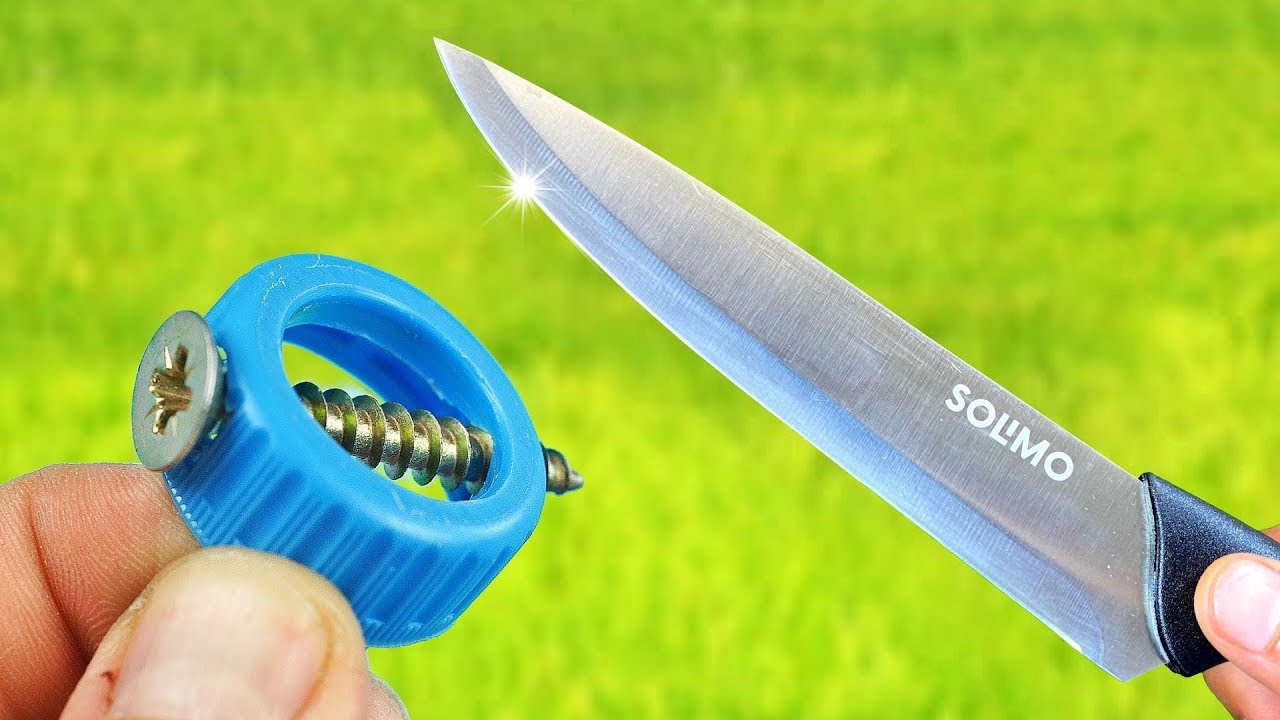
Sharpen Your Knife Like a Pro in 5 Easy Steps with This Must-Have Tool!
Sharpen Your Knife Like a Pro: The Essential Guide
- Introduction
- Why Knife Sharpening is Important
- Essential Tools for Knife Sharpening
- Step-by-Step Guide to Sharpening
- Common Mistakes to Avoid
- FAQ
- Conclusion
Introduction
Have you ever struggled to slice through a ripe tomato or chop herbs? If your knife feels more like a butter spreader than a precision tool, it might be time for some sharpening. Many people overlook this essential maintenance task, but keeping your knives in top shape not only improves your cooking experience but also enhances safety in the kitchen. With the right techniques and tools, you can easily bring your knives back to life. Let’s explore the art of knife sharpening so you can get back to enjoying your culinary creations.
Why Knife Sharpening is Important
A sharp knife makes food preparation quicker and safer. Here are a few reasons why regular knife sharpening is crucial:
- Improved Efficiency: A sharp knife cuts cleanly, reducing the effort needed to slice through ingredients.
- Safety: Dull knives require more force to use, which increases the risk of slippage and accidents.
- Better Results: Sharp knives enhance the appearance and texture of your food, allowing for more precise cuts.
Essential Tools for Knife Sharpening
Before you start sharpening, it’s crucial to have the right tools. Here are a few essentials:
1. Sharpening Stone
A sharpening stone is the quintessential tool for achieving a refined edge. You can choose between oil stones and water stones, depending on your preference. Ensure you select the right grit for your knife’s condition.
2. Honing Rod
A honing rod is perfect for realigning the edge of your knife between sharpenings. Using it regularly can prolong the time between full sharpenings.
3. Knife Sharpener
For those less familiar with manual sharpening, a knife sharpener provides an easier and often quicker solution. Look for a model with adjustable settings for various blade types.
Step-by-Step Guide to Sharpening
Now that you have your tools ready, follow these straightforward steps to sharpen your knife effectively:
- Prepare Your Workspace: Find a stable surface and gather your tools. Ensure your sharpening stone is clean and properly hydrated if necessary.
- Position the Knife: Hold the knife at a 20-degree angle against the sharpening stone. This angle is optimal for most kitchen knives.
- Sharpen the Blade: Start at the base of the knife and push the blade forward across the stone, using light pressure. Repeat this process 5-10 times on each side.
- Strop the Edge: Use a honing rod to realign the edge of your knife. Hold the rod vertically and gently slide the blade down the rod, repeating 3-4 times.
- Test the Sharpness: Carefully slice through a piece of paper or a tomato to ensure your knife is adequately sharpened.
Common Mistakes to Avoid
While sharpening knives can seem straightforward, there are common pitfalls many encounter. Here’s what to watch out for:
- Using the Wrong Angle: A consistent angle is key. Sharpening at too steep or shallow an angle can damage the blade.
- Over-applying Pressure: Applying too much force can lead to uneven sharpening and can even chip the blade.
- Neglecting Regular Maintenance: Don’t wait until your knife is dull. Regular honing and occasional sharpening can keep your knives in excellent condition.
- Using the Wrong Tool: Ensure you’re using the appropriate tool for sharpening; using a honing rod or a stone on a serrated edge is ineffective.
- Ignoring Safety: Always handle your knives with caution and ensure your workspace is clear of distractions.
FAQ
How often should I sharpen my knife?
It depends on usage, but generally, you can sharpen your knife every couple of months. Regular honing can extend this time.
Can I use any stone for sharpening?
Not all stones are suitable for every knife. Opt for a stone designed for the specific type of knife you have for the best results.
What’s the difference between sharpening and honing?
Sharpening removes material to create a new edge, while honing realigns the existing edge. Both are essential for knife maintenance.
Conclusion
Sharpening your knife regularly ensures it remains a useful tool in your kitchen. By following the right techniques and avoiding common mistakes, you can keep your knives in excellent condition and enhance your cooking efficiency. What is your favorite type of knife to work with?