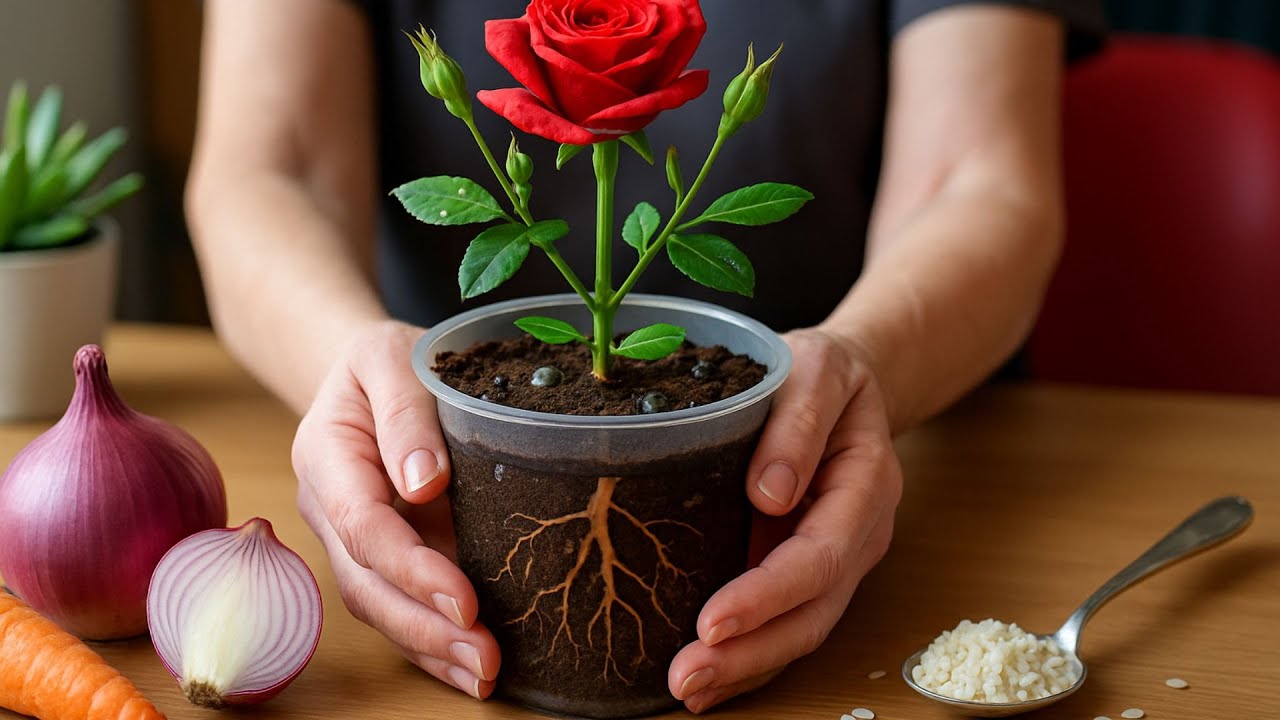
Soak Rose Cuttings in Water: 7 Steps to Root and Bloom Fast!
Soak Rose Cuttings in Water: A Practical Guide to Root and Bloom Fast
- Introduction
- Why Soaking is Beneficial
- Materials Needed
- Step-by-Step Guide
- Common Mistakes to Avoid
- FAQ
Introduction
Have you ever found yourself admiring the beauty of a rose bush and wished you could bring those vibrant blooms into your own garden? Taking cuttings is a rewarding way to propagate your favorite types of roses, yet the process can seem daunting. One effective method involves soaking the cuttings in water, helping them establish roots more efficiently. Understanding the right approach can make all the difference in your success. Continue reading to discover how you can master this technique with ease.
Why Soaking is Beneficial
Soaking rose cuttings in water can significantly enhance your propagation success. Here are some beneficial aspects to consider:
- Boosts hydration: Wet cuttings absorb moisture directly, making it easier for them to establish roots.
- Encourages root growth: Water can stimulate hormones that promote rooting, increasing the chances of success.
- Simple method: This process is straightforward and doesn’t require complex materials or preparations.
Benefits Explained
By soaking your rose cuttings, you’re ensuring they have a head start in the rooting process. The cuttings can uptake the necessary nutrients and moisture, making it easier for them to survive and thrive when transferred to soil. Additionally, this approach boosts overall vigor, leading to healthier plants.
How Long Should You Soak?
Generally, you should soak rose cuttings for about 12 to 24 hours. This duration allows ample time for moisture absorption, giving your cuttings the best chance for success.
Materials Needed
Gathering the right materials will simplify the process. Here’s what you’ll need:
- Healthy rose cuttings: Look for healthy stems that are free from pests and disease.
- Container: Use a clean glass or plastic jar to hold the cuttings and water.
- Water: Preferably use filtered water or rainwater to avoid any harmful chemicals.
- Optional: Rooting hormone: While not essential, a rooting hormone can further enhance rooting success.
Choosing Your Cuttings
When selecting cuttings, aim for stems of at least 6 inches long with a few leaf nodes. The best time to take cuttings is in the early morning or late evening when temperatures are cooler.
Cleaning Your Container
Ensure your container is thoroughly cleaned to prevent any bacterial growth that could harm your cuttings. Rinse it with hot water and let it dry completely before use.
Step-by-Step Guide
Follow these steps to effectively soak your rose cuttings:
- Prepare your cuttings: Trim the ends of the cuttings at an angle, just below a node to maximize the surface area for soaking.
- Remove excess leaves: Trim off lower leaves to prevent them from touching the water, which can lead to rot.
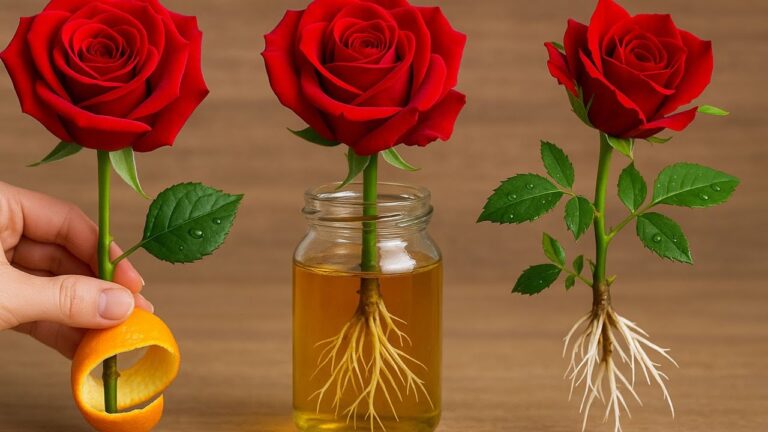
- Place cuttings in the jar: Arrange the cuttings upright in the container, ensuring the cut ends are submerged.
- Fill with water: Add enough water to cover at least one inch of the cut ends, but avoid submerging the leaves.
- Leave in a bright location: Place the jar in an indirect light area to encourage growth without causing stress to the cuttings.
- Check water levels: Ensure the water stays above the cut ends throughout the soaking period. Refill as necessary.
- Transplant when ready: After 12 to 24 hours, transplant the cuttings into a pot with soil to continue the rooting process.
Transplanting Tips
Choose a well-draining potting mix for optimal growth. After transplanting, keep the soil lightly moist but not soggy, and consider covering the pot with a plastic bag to maintain humidity.
Monitoring Growth
Monitor your cuttings regularly. New growth will indicate successful rooting; this typically takes anywhere from a few weeks to a couple of months.
Common Mistakes to Avoid
To enhance your chances of success, watch out for these frequent pitfalls:
- Using unhealthy cuttings: Always select robust, disease-free stems to begin with.
- Over-soaking: Prolonged soaking beyond 24 hours can lead to rot; be mindful of timing.
- Neglecting light conditions: Insufficient indirect light can hinder root growth; find a suitable spot.
- Ignoring water changes: If using water for more than 24 hours, change it regularly to prevent bacterial growth.
- Transplant timing: Don’t rush to transplant; ensure adequate root development before moving cuttings to soil.
FAQ
How long does it take for rose cuttings to root in water? Typically, it can take anywhere from a few weeks to a couple of months for cuttings to root, depending on conditions.
Can I use tap water for soaking? While tap water can be used, it’s better to opt for filtered or rainwater to avoid harmful chemicals.
What if my cuttings don’t grow roots? If your cuttings fail to grow roots, check for water quality, light conditions, and ensure you selected healthy cuttings.
Conclusion
Soaking rose cuttings in water is a simple yet effective way to promote rooting. By following this guide and avoiding common mistakes, you’ll be well on your way to enjoying flourishing roses in your garden. What types of roses are you most excited to propagate?