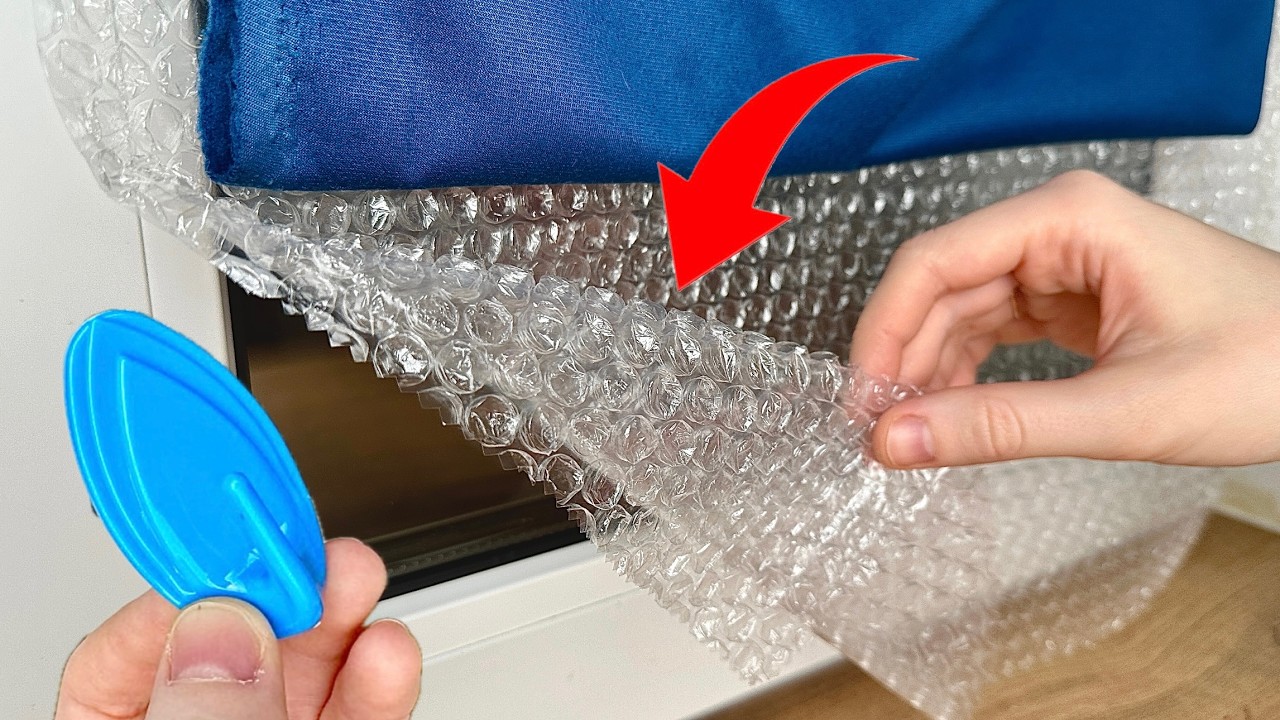
10 Surprising Reasons to Use Bubble Wrap on Your Windows for Ultimate Insulation
10 Surprising Benefits of Using Bubble Wrap for Window Insulation
- What is Bubble Wrap?
- How to Install Bubble Wrap on Windows
- Advantages of Using Bubble Wrap
- Common Mistakes to Avoid
- FAQ
When the chilly winter months roll in, you may find yourself battling drafts and frigid air seeping through your windows. If you’re looking for an affordable solution to improve energy efficiency without a complete overhaul, you might be surprised by an everyday item you already have at home. Bubble wrap isn’t just for packaging; it can be a fantastic insulation option. Understanding its benefits can help you enhance your home’s comfort during the colder months.
What is Bubble Wrap?
Bubble wrap is a lightweight packaging material consisting of air-filled bubbles encased in plastic. Originally designed to protect fragile items during shipping, it has taken on new life as a versatile tool for insulation in your home. Its unique structure allows for excellent thermal performance, which can help reduce the cost of heating your living space during colder periods.
Understanding the Insulation Properties
The bubbles in the wrap create air pockets that act as insulators. These air pockets reduce heat flow, helping to keep your home warmer in winter and cooler in summer. By covering your windows with bubble wrap, you can significantly limit heat loss, which can translate to lower energy bills and a cozier atmosphere.
Different Types of Bubble Wrap
While most people are familiar with standard bubble wrap, there are various types you can choose from, such as:
- Small Bubble Wrap: Best for minor insulation needs.
- Large Bubble Wrap: Provides additional insulation due to larger air pockets.
- Antistatic Bubble Wrap: Ideal for protecting electronic devices while also insulating effectively.
How to Install Bubble Wrap on Windows
Installing bubble wrap for window insulation is a straightforward process that you can do in just a few steps. Here’s how you can get started:
- Clean the window surface to ensure good adhesion.
- Measure your window and cut the bubble wrap to size, leaving a slight extra margin for easier handling.
- Wet one side of the bubble wrap lightly with water using a spray bottle.
- Press the wet side of the bubble wrap against the window, smoothing out any bubbles or wrinkles.
- Trim any excess bubble wrap for a neat finish.
To remove the bubble wrap later, simply peel it off gently without damaging the window surface.
Materials You’ll Need
Gathering a few basic materials before starting makes the process smoother. Here’s what you’ll need:
- Bubble wrap
- Scissors or a utility knife
- A spray bottle with water
- Measuring tape
Advantages of Using Bubble Wrap
Using bubble wrap as window insulation offers several distinct benefits beyond merely cutting down on drafts:
Energy Efficiency
By using bubble wrap effectively, you can reduce heat loss through your windows by up to 50%, leading to noticeable savings on energy bills.
Easy Installation
The ease of installation makes bubble wrap an appealing choice. You don’t need special skills or tools to apply it, which saves you both time and effort.
Sound Reduction
The air pockets not only provide thermal insulation but can also help reduce noise, creating a more peaceful living environment.
Common Mistakes to Avoid
While bubble wrap is an excellent option for insulation, there are some common mistakes to watch out for:
- Choosing the wrong type of bubble wrap: Select a size that best suits your insulation needs.
- Insufficient cleaning: Not cleaning the window beforehand can lead to poor adhesion.
- Ignoring bubbles: Leaving air bubbles trapped under the wrap can reduce insulation effectiveness.
- Over-wetting when applying: Too much water can make the bubble wrap slide down the glass.
FAQ
Does bubble wrap increase energy efficiency?
Yes, bubble wrap can significantly reduce heat loss through windows, leading to improved energy efficiency and lower heating costs.
Can I use bubble wrap for windows in summer?
While bubble wrap is primarily used for winter insulation, it can also help keep homes cooler in summer by blocking direct sunlight and heat.
How long can bubble wrap last on windows?
Bubble wrap can last for several seasons, but it’s advisable to check periodically for any damage or wear, especially before winter.
Conclusion
Incorporating bubble wrap into your window insulation strategy is a practical approach to maintaining comfort and energy efficiency in your home. By being mindful of the installation process and potential pitfalls, you can enjoy a warmer living space through the colder months. How have you found creative solutions for winter insulation in your home? Share your experiences in the comments!