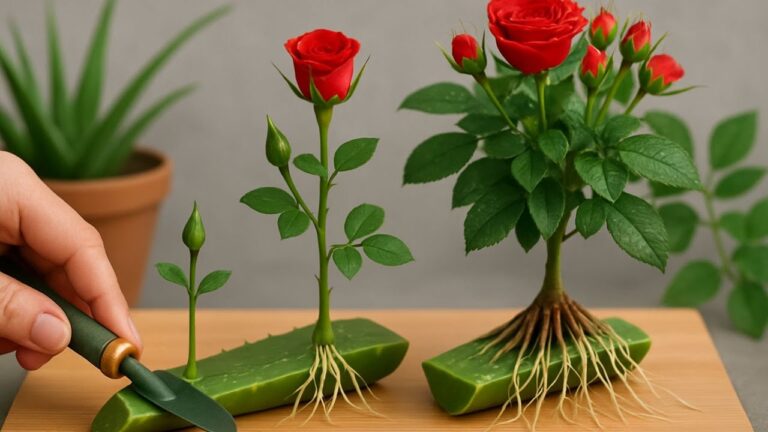
Grow 1 Rose Branch into Thousands of Roots Overnight with This Simple Trick!
Grow One Rose Branch into Thousands of Roots Overnight with This Simple Trick
- Introduction
- The Trick to Rooting Roses
- Best Time to Root Rose Branches
- Common Mistakes to Avoid
- FAQ
- Conclusion
Introduction
Have you ever looked at a beautiful rose bush and wished you could have more of its stunning blooms in your garden? Perhaps you have a favorite variety that you want to share with friends or simply want to expand your collection. The idea of multiplying your roses might seem daunting, but there’s a method that can help you transform a single branch into a thriving abundance of new plants. This practical guide will walk you through a simple but effective technique to root your rose branches, so you can enjoy more of these lovely flowers in no time.
The Trick to Rooting Roses
Before you begin the process of rooting your rose branches, you’ll need to gather a few essential materials and understand the steps involved.
Materials Needed
- Healthy rose branch (about 6-8 inches long)
- Sharp pruning shears
- Rooting hormone (optional but recommended)
- Small pots or containers
- Fresh potting soil
- Plastic wrap or a clear plastic bag
Step-by-Step Process
- Identify the best branch: Choose a healthy rose branch that is at least one year old. Look for one with recent growth, which is a sign it’s ready to root.
- Cut the branch: Use sharp pruning shears to cut the branch just below a node, which can be found where leaves emerge. This is where roots will form.
- Apply rooting hormone: If using a rooting hormone, dip the cut end of the branch into it. This can enhance rooting success.
- Plant the branch: Insert the cut end into a small pot filled with moist potting soil, ensuring it’s planted about 2 inches deep.
- Cover the pot: Use plastic wrap or a clear plastic bag to create a mini-greenhouse effect, which helps retain humidity.
- Place in a warm location: Keep the pot in a spot with indirect sunlight and warmth to encourage root growth.
Care During the Rooting Process
Check the soil moisture regularly to ensure it stays consistently moist but not waterlogged. After a few weeks, gently tug on the branch to see if it has developed roots. Once you feel resistance, it’s time to remove the covering.
Best Time to Root Rose Branches
Timing can greatly enhance your success in rooting rose branches. Here you will find the most favorable conditions and tips for planting.
Ideal Seasons for Rooting
The best times to root rose branches are during the spring and early summer when plants are actively growing. The increased warmth and humidity support root development.
Environmental Factors
- Choose a day with mild temperatures to take your cuttings.
- Morning hours are ideal, as the plant is full of moisture after the night.
Common Mistakes to Avoid
As you embark on your rose propagation journey, being aware of these common pitfalls can help you achieve success.
1. Using Old or Weak Branches
Always ensure your cuttings are healthy and vigorous. Using old, woody branches may result in failure to root.
2. Overwatering
While moisture is key, too much water can rot the cutting. Ensure your pots have good drainage and monitor moisture levels.
3. Insufficient Lighting
Place your cuttings in a spot with indirect light. Too much direct sunlight can dry them out, while too little can hinder growth.
4. Ignoring Temperature
Keep your cuttings in a warm area, but avoid extreme heat. Consistent warmth is crucial for root development.
FAQ
How long does it take for rose cuttings to root?
Typically, rose cuttings can take anywhere from two to eight weeks to develop roots, depending on the variety and environmental conditions.
Do I need to use rooting hormone?
While it’s not strictly necessary, using rooting hormone can significantly improve your chances of successful rooting.
Can I root rose branches in water?
Yes, some gardeners successfully root rose branches in water, but the soil method generally provides better support and moisture retention for new growth.
Conclusion
By following these guidelines, you can successfully grow multiple new rose plants from a single branch. Remember to check for common mistakes that may hinder your success. What rose variety do you plan to propagate next? Share your thoughts in the comments!