5 Easy Steps to Multiply Rosemary and Keep It Forever
5 Simple Steps for Multiplying Rosemary and Keeping It Thriving
- Introduction
- Understanding Rosemary Propagation
- Materials Needed
- Step-by-Step Guide
- Common Mistakes to Avoid
- FAQ
- Conclusion
Introduction
If you’ve ever experienced the joy of having fresh rosemary at your fingertips, you know how valuable this aromatic herb is in the kitchen and garden. However, as your plant grows, you might find yourself wondering how to keep it thriving indefinitely. The thought of losing such a beloved plant can be daunting. Luckily, multiplying rosemary is simpler than you might think, and the rewards are plentiful. Read on to discover the straightforward steps you can take to ensure that your rosemary continues to flourish in your home.
Understanding Rosemary Propagation
Multiplying rosemary can be approached through several methods. Understanding these can help you decide which one fits your gardening style best.
Different Methods of Propagation
- Cuttings: This method is popular because it’s efficient and effective.
- Seed: Growing rosemary from seeds takes longer but is rewarding.
- Layering: A bit more advanced, but can yield great results.
Why Choose Cuttings?
Cuttings are often the fastest way to multiply rosemary. With a few simple steps, you can grow new plants from your existing ones. They root quickly and resemble their parent plant, ensuring you have the same delightful flavor and aroma.
Materials Needed
Having the right supplies on hand makes propagation straightforward and enjoyable. Here’s what you’ll need:
- Healthy rosemary plant
- Sharp pruning shears or scissors
- Small pots or seed trays
- Well-draining potting soil
- Water
- Plastic bag or a clear plastic dome
Step-by-Step Guide
Follow these 5 steps to successfully multiply your rosemary.
- Choose healthy cuttings: Select green, healthy stems from your existing rosemary plant. Aim for cuttings that are about 4 to 6 inches long.
- Prepare the cuttings: Trim the cut end at a 45-degree angle. Remove the leaves from the bottom 2 inches of the cutting to ensure they won’t touch the soil.
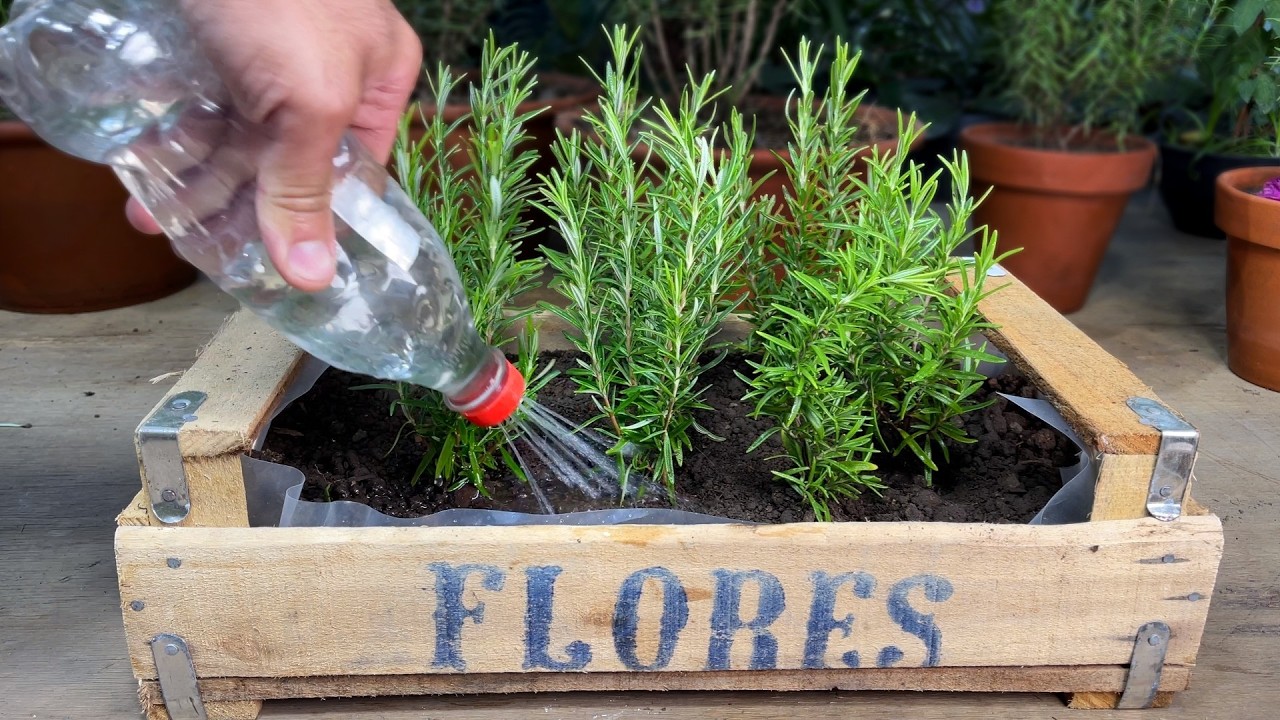
- Plant the cuttings: Fill your pots with well-draining potting soil. Make a small hole, insert the cutting, and gently press the soil around it to secure it.
- Water lightly: Give your new cuttings a gentle watering, ensuring the soil is damp but not saturated.
- Create a humid environment: Cover the pots with a plastic bag or a clear plastic dome to keep humidity levels up while they root. Place them in a warm, bright area, away from direct sunlight.
Monitoring Growth
After about 3 to 4 weeks, your cuttings should start to develop roots. You can check this by gently tugging on the cuttings. If you feel resistance, they are rooting well. Once roots are established, you can remove the cover.
Common Mistakes to Avoid
- Using damaged cuttings: Always ensure the cuttings are healthy without any signs of disease.
- Overwatering: Too much moisture can lead to root rot. Ensure the soil is well-drained.
- Skipping humidity: Not covering the cuttings can lead to drying out before roots develop.
- Placement in direct sunlight: While warmth is essential, too much direct sunlight can shock the cuttings.
FAQ
How long does it take for rosemary cuttings to root?
Rosemary cuttings typically take about 3 to 4 weeks to root, depending on the environment and care provided.
Can I multiply rosemary in water?
Yes, you can place the cuttings in a glass of water to root, but soil is often a better medium for rosemary.
What’s the best time to take rosemary cuttings?
The best time to take cuttings is usually in the spring or early summer when the plant is actively growing.
Conclusion
Multiplying rosemary is an accessible gardening project that can enhance your herb garden for years to come. With a little attention and care, you can enjoy the benefits of your favorite herb thriving in your space. Have you tried propagating rosemary before? Share your experiences in the comments!