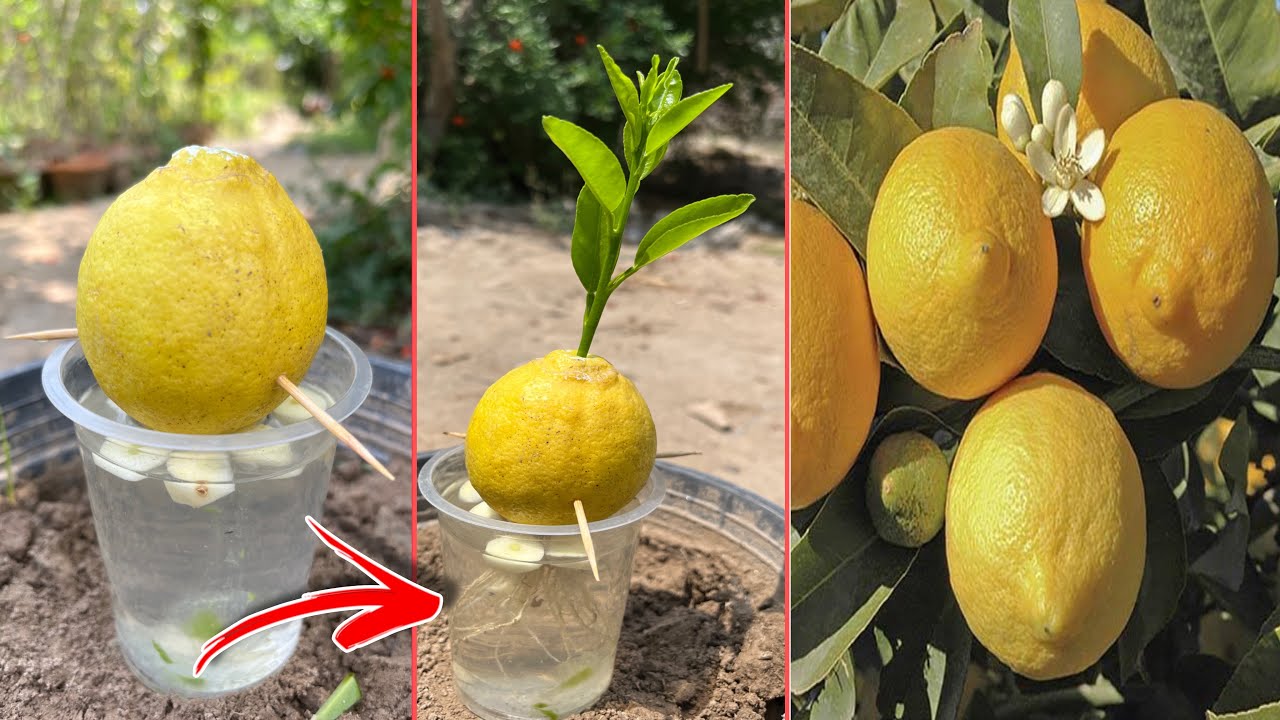
6 Easy Tips to Grow Lemon Trees at Home for Delicious Fruits!
6 Easy Tips to Grow Lemon Trees at Home for Delicious Fruits
- Introduction
- Choosing the Right Lemons
- Ideal Growing Conditions
- Watering and Care
- Common Mistakes to Avoid
- FAQ
- Conclusion
Introduction
Imagine walking into your kitchen and grabbing a fresh lemon from your very own lemon tree, bright and fragrant. The joy of home gardening often comes from growing your own produce, but cultivating a lemon tree can feel like quite the challenge. You may wonder about the best practices, the right conditions, and how to ensure your tree thrives. Understanding these elements is key to enjoying a bountiful harvest. This guide will help you cultivate a lemon tree right in your home.
Choosing the Right Lemons
To begin your journey towards growing a successful lemon tree, it’s essential to select the right variety. Here are some popular choices:
- Predictable Varieties: Varieties such as Eureka and Lisbon are known for their consistent fruit production.
- Sweeter Options: Meyer lemons are a hybrid between a lemon and a mandarin orange, offering a sweeter taste.
- Dwarf Varieties: Consider dwarf lemon trees if you’re short on space; they grow well in pots.
Factors to Consider
When choosing your lemon tree, think about:
- Climate: Certain varieties thrive better in specific climates, so check your local growing conditions.
- Space: Determine how much space you can allocate for your tree, especially if opting for a larger variety.
- Purpose: Consider whether you want the tree for ornamental purposes, fruit production, or both.
Ideal Growing Conditions
Your lemon tree will flourish under optimal conditions. Here’s what to keep in mind:
Location
Lemon trees prefer plenty of sunlight. Make sure to place your tree in a location that receives at least 8 hours of sunlight each day.
Soil Requirements
Choosing the right soil mix can significantly affect growth:
- Drainage: Use well-draining soil, as lemon trees do not thrive in soggy conditions.
- Acidity: Opt for slightly acidic soil with a pH between 5.5 and 6.5.
Temperature Needs
Lemon trees love moderate temperatures:
- Warm Temperatures: Ideal conditions fall between 70-85°F during the day.
- Protection: Make sure to protect your tree from frost, especially during colder months.
Watering and Care
Proper care is essential for a robust lemon tree. Here are some key elements:
Watering Schedule
Your watering routine will impact growth:
- Frequency: Water deeply but infrequently, allowing the soil to dry between waterings.
- Signs of Overwatering: Watch for yellowing leaves which may indicate too much moisture.
Fertilizing
Nourish your lemon tree with the right nutrients:
- Regular Fertilizer: Use a balanced fertilizer every 6-8 weeks during the growing season.
- Micronutrients: Ensure the fertilizer contains micronutrients essential for fruit production.
Pruning
Pruning is vital for promoting air circulation and sunlight penetration:
- Timing: Prune during the non-fruit-bearing season to minimize stress on the tree.
- What to Remove: Remove dead or unhealthy branches to encourage new growth.
Common Mistakes to Avoid
Even seasoned gardeners make mistakes when growing lemon trees. Here are some pitfalls to avoid:
- Overwatering: This is a common issue. Ensure the soil dries out slightly between waterings.
- Insufficient Light: Failing to provide enough sunlight can hinder fruit production.
- Nutrient Deficiency: Skipping fertilization can lead to poor growth and fewer fruits.
- Ignoring Pests: Pay attention to any signs of pests; early treatment is key to keeping your tree healthy.
- Failure to Prune: Neglecting to prune can lead to overcrowded branches and reduced air circulation.
FAQ
How long does it take for a lemon tree to produce fruit?
A lemon tree typically takes about 3 to 5 years to start producing fruit after planting, depending on the variety and care.
Can I grow a lemon tree indoors?
Yes, a lemon tree can thrive indoors as long as it receives enough sunlight and is potted in a well-draining soil mix.
What pests should I look out for?
Common pests include aphids, spider mites, and scale insects. Regular inspection will help catch infestations early.
Conclusion
Growing your own lemon tree can be a delightful experience if you focus on the right conditions, proper care, and common pitfalls to avoid. What variety of lemon tree are you considering for your home garden? Share your thoughts in the comments below.