Discover 5 Natural Substances That Ticks Fear Most from Their Enemies!
5 Natural Substances Ticks Prefer to Avoid
- Introduction
- Natural Substances That Repel Ticks
- How to Prepare Natural Remedies
- Effective Application Tips
- Common Mistakes to Avoid
- FAQ
- Conclusion
Introduction
During the warmer months, spending time outdoors is a joy for many of us. However, the thought of ticks lurking in gardens or parks can quickly dampen that enthusiasm. These tiny pests pose significant health risks but can be deterred with the right knowledge. By using natural substances that ticks avoid, you can create a safer environment for yourself and your loved ones. Read on to discover effective, natural ways to keep these unwelcome guests at bay.
Natural Substances That Repel Ticks
Understanding the natural substances that ticks avoid is the first step in protecting yourself and your family. Here are five effective options:
- Lemon Eucalyptus Oil: This oil contains compounds that are proven to repel ticks effectively. It emits a strong yet pleasant scent that discourages these pests.
- Lavender Essential Oil: Beyond its soothing aroma, lavender’s strong scent is unappealing to ticks. Consider using it in your garden to create a tick-repelling landscape.
- Rosemary: This herb not only adds flavor to your meals but also acts as a natural repellent when used in gardens. You can plant rosemary to deter ticks naturally.
- Tea Tree Oil: Known for its antibacterial properties, tea tree oil is also effective against ticks. Apply it diluted with a carrier oil on exposed skin.
- Cedarwood Oil: Often used in natural pest control, cedarwood oil can be sprayed around your outdoor spaces to keep ticks away.
How to Prepare Natural Remedies
Making your own natural tick repellents can be straightforward. Here’s how you can prepare effective remedies using the substances mentioned:
1. Lemon Eucalyptus Spray
- Combine 10-20 drops of lemon eucalyptus oil with 2 cups of water in a spray bottle.
- Add a small amount of natural emulsifier like witch hazel to help the oil mix with water.
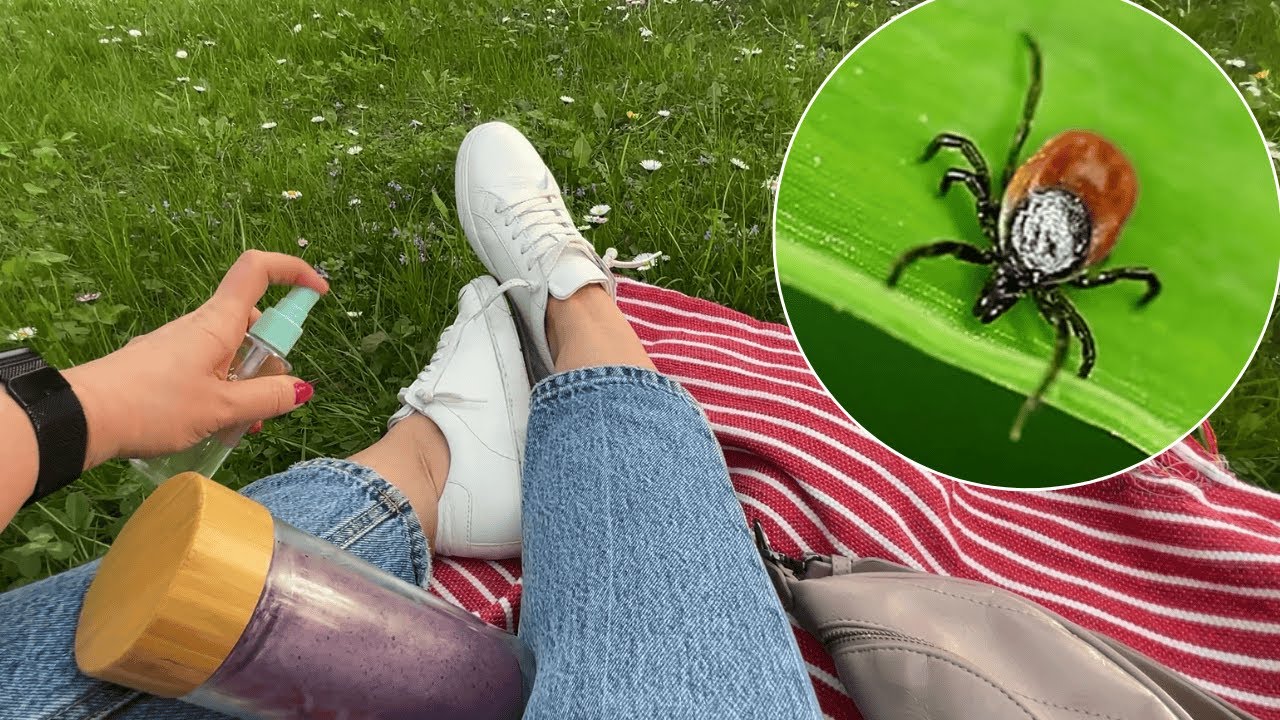
- Shake well and spray on exposed skin and clothing before heading outdoors.
2. Lavender Oil Infusion
- Mix 15-20 drops of lavender essential oil with a carrier oil like coconut or olive oil.
- Store in a small glass bottle and apply on pulse points.
- For a garden spray, combine with water and spray around your outdoor areas.
3. Tea Tree Oil Solution
- In a spray bottle, mix equal parts of tea tree oil and water.
- Shake vigorously before use and spray on skin; remember to do a patch test first to avoid irritation.
- Reapply every few hours, especially if you’re sweating or in heavily infested areas.
Effective Application Tips
To maximize the effectiveness of your natural repellents, consider these application tips:
- Apply Before Going Outdoors: For best results, apply your repellent at least 30 minutes before entering areas where ticks may be present.
- Reapply Frequently: Natural oils may not last as long as chemical repellents, so remember to reapply every few hours.
- Target Key Areas: Focus on areas where ticks frequently attach, such as behind the ears, underarms, and the back of the knees.
- Use in Combination: Consider using multiple natural repellents together for enhanced effectiveness.
- Choose Clothing Wisely: Wear light-colored clothing to easily spot ticks, and consider tucking pants into socks for added protection.
Common Mistakes to Avoid
While preparing and using natural substances to repel ticks, here are common pitfalls to steer clear of:
- Using Undiluted Oils: Always dilute essential oils with a carrier oil or water to avoid skin irritation.
- Neglecting Reapplication: Forgetting to reapply your natural repellents can reduce their effectiveness significantly.
- Using One Method Only: Relying solely on one repellent can leave you vulnerable; consider using a combination for better protection.
- Ineffective Storage: Store your natural remedies in dark, cool places to maintain their potency.
- Ignoring the Environment: Remember that creating a tick-friendly environment in your yard can negate the effects of repellents.
FAQ
What are the best natural substances for repelling ticks?
Some of the most effective natural substances include lemon eucalyptus oil, lavender essential oil, rosemary, tea tree oil, and cedarwood oil.
How often should I apply natural tick repellent?
It’s best to reapply natural tick repellents every few hours, especially if you’re sweating or in heavily infested areas.
Can children use natural tick repellents?
Yes, but it’s crucial to dilute the oils properly and conduct patch tests to avoid skin reactions.
Conclusion
Utilizing natural substances that ticks avoid can significantly enhance your outdoor experience while keeping pests at bay. By preparing effective remedies and applying them correctly, you can create a safer environment for your family. What natural repellents have you found effective in your own experience? Feel free to share your tips in the comments.