Unlock the Secret to Getting Your Snake Plant to Bloom
Unlock the Secret to Getting Your Snake Plant to Bloom
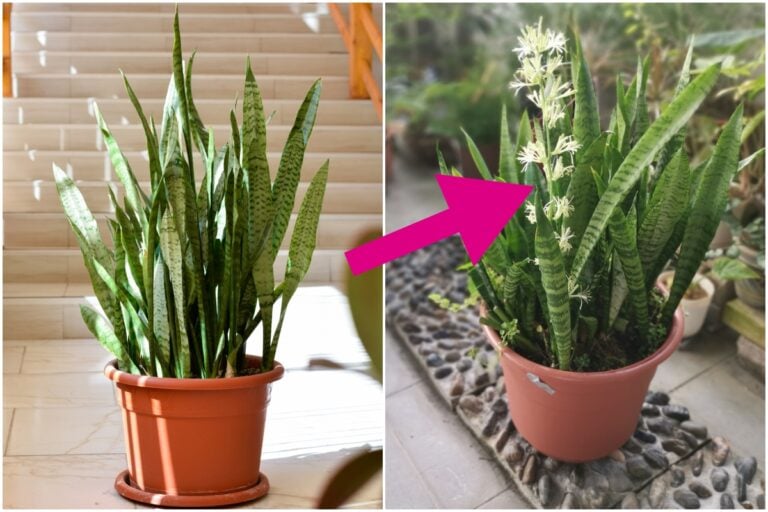
When it comes to blooming houseplants, the snake plant might not be the first to come to mind. Yet, this resilient plant, now known as Dracaena trifasciata, can indeed flower—usually once a year in the spring. This article will reveal how to encourage your snake plant to bloom, along with the ideal conditions for achieving that surprise flower stalk.
Understanding the Snake Plant
The snake plant, formally recognized as Dracaena trifasciata, stands out with its long, sword-shaped leaves and impressive resilience. It can thrive on neglect, putting it in stark contrast to its delicate blooms that often catch houseplant owners off guard. One morning, while enjoying your coffee, you might suddenly notice a flower stalk that seemingly appeared overnight, prompting you to exclaim, “I didn’t know snake plants could flower!”
Why Do Snake Plants Bloom?
The trigger for blooming in snake plants lies in a surprising source: stress. Don’t worry—this isn’t a doom-and-gloom scenario. Instead, it’s a natural response. When a plant experiences stress, it reallocates its energy towards survival, often enhancing reproduction through flowering. For snake plants, the right kind of stress can lead to this beautiful outcome.
The Connection Between Stress and Blooming
Plants, much like humans, respond to stress in order to thrive. A slight environmental burden signals to the plant that it must reproduce to ensure its survival. This hormonal shift ideally sets the stage for blooming.
Key Conditions for Flowering
To successfully coax your snake plant into blooming, you need to adjust a few growing conditions. While creating stress is essential, too much of it can hinder your plant’s growth. Here are the key factors:
1. Light Requirements
Light is essential in encouraging your snake plant to flower. Ensure your plant receives bright, indirect sunlight for 8-12 hours a day. This can be achieved by placing it near a south or east-facing window or by using grow lights.
- Bright indirect sunlight is optimal; direct sunlight can scorch the leaves.
- You can use a light meter or an app to check that it’s receiving over 10,000 lux.
2. Allow Your Plant to Become Slightly Root-Bound
To induce flowering, a snake plant must be just slightly root-bound. This means it should still grow but at a slower rate. Here’s how to identify the difference:
- A slightly root-bound plant will show a mix of roots and potting media.
- A severely root-bound plant will stop growing and have roots protruding from the pot.
To encourage flowering, keep your snake plant in a snug pot and only repot it when growth halts, moving it to a slightly larger pot—no more than one inch wider.
3. Water Infrequently
Snake plants prefer to dry out between waterings. During active growth, this typically means watering every two weeks; in winter, you can stretch it to once a month. To stimulate flowering, reduce the frequency even further:
- After winter dormancy, give your plant a thorough soaking and then wait to water it again until it’s completely dry.
- Continue to water sparingly, allowing the soil to dry out completely between waterings.
Post-Bloom Care
Once your snake plant has finished flowering, it’s important to transition back to standard care. Here’s what to do:
- Remove the flower stalk after the blooms fade.
- Return to regular watering as the plant dries out.
- If you used grow lights, you can discontinue their use.
While each rosette blooms only once, with care, other rosettes on your plant may also produce flowers, creating a beautiful display. Remember, although snake plants aren’t typically known for flowering, the effort is worth it for the beauty and fragrance they offer.
Conclusion
In conclusion, to unlock the blooming potential of your snake plant, you should focus on providing the right balance of mild stress and ample light. Being a little tough, yet capable of delicate beauty, your snake plant can surprise you with its flowers. Now that you know how to encourage it to bloom, take the chance and cultivate that stunning floral display!