4 Essential Fall Hydrangea Tips and One Mistake to Avoid
4 Essential Fall Hydrangea Tips and One Mistake to Avoid
Hydrangeas are a delightful addition to any garden, with blooms that resemble cheerful pompoms. As autumn approaches and the leaves change, these stunning shrubs require some special attention. Here’s how to care for your hydrangeas this fall to ensure a vibrant display next year.
One Common Mistake: Pruning in the Fall
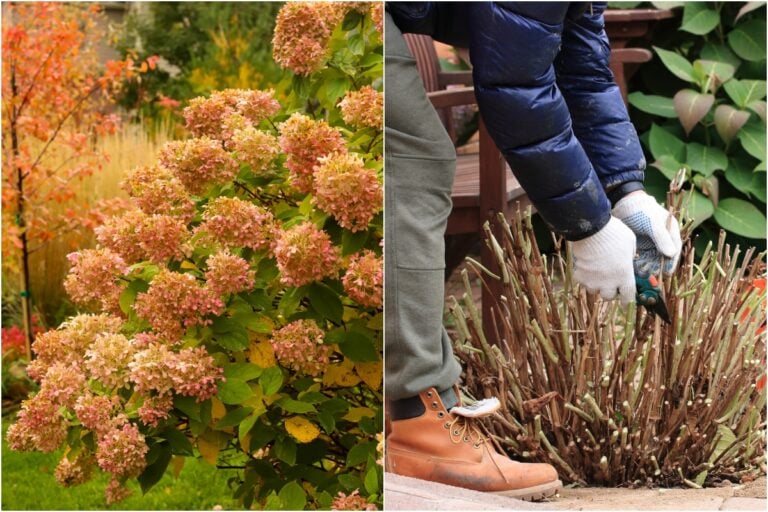
It’s crucial to avoid pruning your hydrangeas in the fall. While many recommend this practice, keeping your hydrangeas intact is beneficial, especially for varieties that bloom on old wood. Some of these include:
- Bigleaf Hydrangea (Hydrangea macrophylla)
- Oakleaf Hydrangea (Hydrangea quercifolia)
- Lacecap Hydrangea (Hydrangea macrophylla normalis)
- Mountain Hydrangea (Hydrangea serrata)
Pruning these varieties should be done in the summer, right after blooming. By waiting until late winter or early spring to prune, you will protect your plants from cold damage and provide shelter for pollinators and beneficial insects during winter months.
1. Protect From Frost
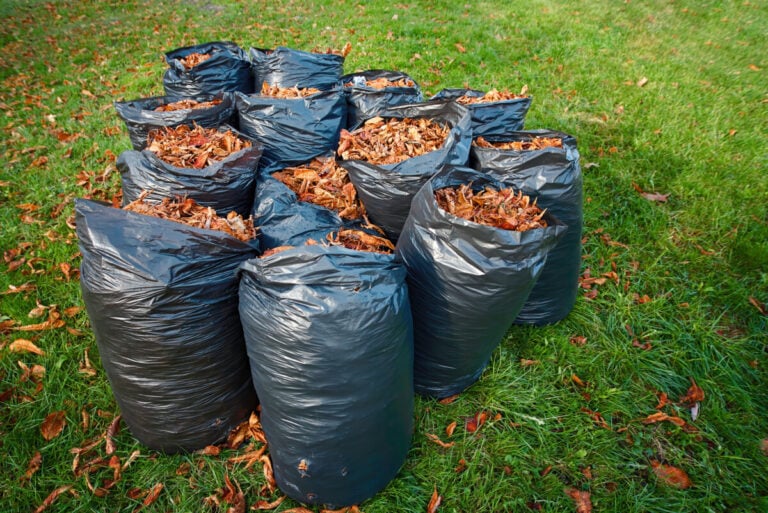
Most hydrangea species are hardy and thrive in zones 3-9. If your climate experiences harsh winters, consider wrapping your hydrangeas in burlap or using leaves and pine boughs to shield them from freezing temperatures and damaging winds.
2. Fertilize Hydrangeas
Fall is an optimal time to fertilize your hydrangeas. Use a slow-release, balanced fertilizer with an NPK ratio of 10-10-10, such as Jobes Organics Granular All Purpose Plant Food. Apply the fertilizer by gently scratching it into the top few inches of soil. Liquid fertilizers should be watered in well.
For increased blooms, opt for a fertilizer with a higher phosphate ratio. Bone meal is an excellent choice for enhancing flower production. Consider using Espoma Organic Blood Meal in your fall soil amendments.
3. Mulch
Hydrangeas prefer moist, well-draining soil. If the fall is dry, a thick layer of mulch can help retain moisture. This not only reduces your watering efforts as other plants go dormant but also minimizes weed growth. While pine needles are often recommended for acid-loving plants, studies show they have little effect on soil acidity. Choose any suitable mulch available in your yard.
4. Special Fall Care for Blue Hydrangeas
One captivating feature of hydrangeas is their ability to change color based on soil acidity. For vibrant blue blooms, ensure you amend your soil in the fall rather than waiting until spring. Using sulfur or fertilizers like Holly-tone will help adjust pH levels efficiently over time. This proactive approach allows for better nutrient availability when spring arrives.
Conclusion
With these essential tips, your hydrangeas will be well-prepared for the upcoming winter, ensuring stunning blooms in the spring. Avoid the common mistake of fall pruning, protect your plants from frost, fertilize properly, mulch generously, and care for any blue varieties. Your effort now will reward you with a vibrant garden next season.