Are Frosty Vegetables Safe to Eat? Here’s What You Need to Know!
Are Frosty Vegetables Safe to Eat? Here’s What You Need to Know!
As fall settles in, the garden begins to slow down, and cooler days remind us that sweater weather is on the horizon. But what happens if you wake up to find a frosty garden? Can you still harvest and enjoy those vegetables? Let’s explore what you need to know.
Understanding Frost Dates
Reliable frost dates have become a challenge in recent years. With shifting weather patterns, the dates when frost is expected can often be inaccurate. The NOAA provides a general estimate based on historical data, but recent changes make these predictions less dependable.
The first frost might catch you off guard, whether it arrives earlier than anticipated or later, causing you to let your guard down. If you find your garden blanketed in frost, don’t panic—there are still options!
Don’t Panic – Assess the Damage
Even though a light frost can be harmful to some plants, many vegetables can still be harvested and eaten if you act quickly. It’s best to wait until the afternoon to evaluate the damage. By then, the plants will have warmed up, giving you a clearer picture of their condition.
What is Frost Damage?
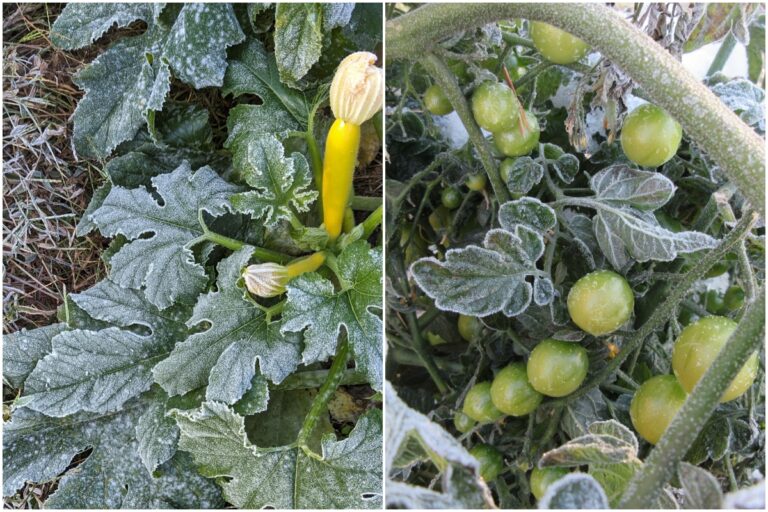
When frost occurs, the water inside plants freezes and forms sharp crystals that pierce their cell walls. As the crystals thaw, cells can collapse, resulting in mushy vegetables that won’t last long. While the main plant may die, some fruits might still be edible if harvested promptly. However, vegetables left on damaged plants are at risk of spoiling.
Which Plants Are More Likely to Be Affected?
Vegetables with high water content are generally more susceptible to frost damage, while fibrous varieties tend to withstand cold better.
- Nightshades: Tomatoes, peppers, and eggplants are particularly vulnerable to even light frosts.
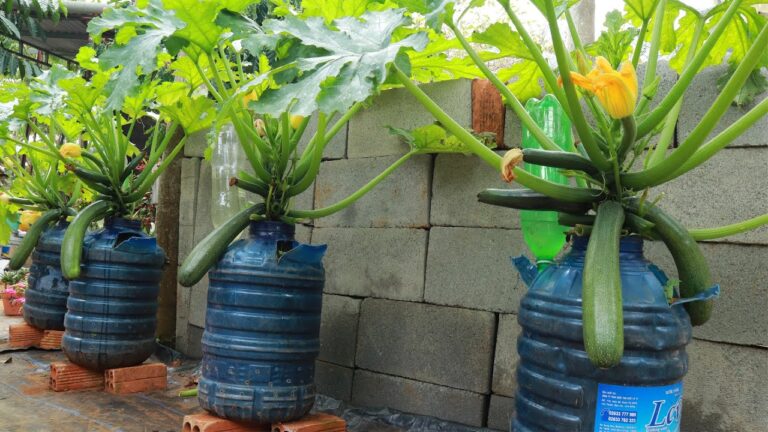
- Cucurbits: Summer squash, cucumbers, and melons can also suffer from frost.
- Legumes: Beans and peas may still be salvageable even if the plant shows signs of damage.
- Leafy Greens: Lettuces and arugula handle light frost well, but hard frosts can wipe them out.
When examining your vegetables for frost damage, look for discoloration and mushiness. Those plants may need to go into the compost bin. However, minor blemishes can often be cut away, and slightly softened vegetables can still be edible if consumed soon after harvest.
Enjoy Some Sweet, Frosty Brassicas
Not all frost damage is negative; frost can enhance the flavor of certain vegetables, particularly brassicas. Plants like Brussels sprouts and kale actually become sweeter after a frost due to increased sugar concentration.
Harvest and Store Right Away
If you find vegetables with minor frost damage, make sure to harvest and consume them quickly. You might even want to taste them in the garden to ensure the flavor remains robust. Be cautious with tomatoes, as cold temperatures can diminish their taste; avoid storing them in the fridge and refrain from canning unless you cook them into soups or sauces.
Plan Ahead for Future Frosts
Even though frost dates can be unpredictable, it’s wise to have an understanding of when they might occur. Generally, expect a two to three-week buffer around your first expected frost date, allowing you to take necessary precautions.
Keep an eye on local weather forecasts for alerts indicating dropping overnight temperatures. If you use a weather app, see if it can notify you about expected frosts in your area.
Have a strategy prepared before the frost arrives. Explore various ways to protect plants from a sudden frost to keep your garden safe.
Conclusion
While a frosty garden can be alarming, it’s essential to understand your vegetables’ resilience. Assess the damage, act quickly, and enjoy the sweeter flavors that frost can bring. And if the time has come to rest, listen to nature’s cue and take a break with your garden.