7 Delicious Ways to Cook Cabbage Like a Pro
7 Delicious Ways to Cook Cabbage Like a Pro
- Introduction
- Varieties of Cabbage
- Preparation Techniques
- Cooking Methods for Cabbage
- Common Mistakes to Avoid
- FAQ
- Conclusion
Introduction
Cabbage is often overlooked as a humble vegetable, yet its versatility can elevate any meal. You might find yourself with a head of cabbage in your fridge, wondering how to turn it into something delicious. Whether you’re aiming for a light side dish or a hearty main course, cabbage can fit the bill. Stay with me as we explore seven savory cooking methods that will redefine your view on this leafy green.
Varieties of Cabbage
Before diving into preparation and cooking methods, it’s important to understand the different types of cabbage you might encounter. Here are a few common varieties you can experiment with:
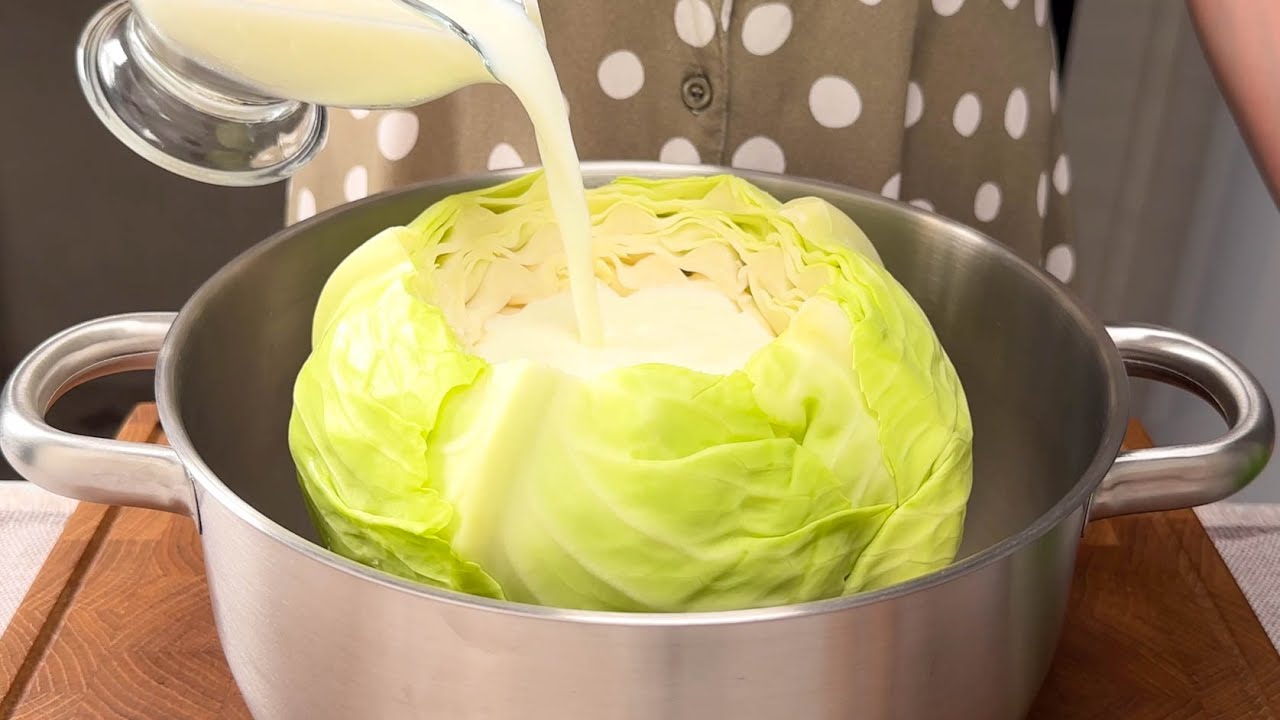
- Green cabbage: The most common type, known for its crunchy texture and mild flavor.
- Red cabbage: Vibrantly colored, it adds a pop to salads and dishes.
- Napa cabbage: Delicate and sweet, ideal for soups or stir-fries.
- Savoy cabbage: Known for its curly leaves and tender texture, perfect for slow-cooked dishes.
Incorporating Varieties into Meals
Using different varieties of cabbage can enhance the flavor and texture of your meals. Combine green and red cabbage in a salad for visual appeal or utilize Savoy cabbage in a rich stew for added tenderness. Mixing types can also enhance nutrient diversity, making your dishes both delicious and healthy.
Preparation Techniques
Once you’ve chosen your cabbage, preparing it properly is essential. Here are some effective techniques to enhance the flavor and texture of your cabbage dishes:
Chopping Methods
- Trim the stem end off the cabbage and remove any discolored outer leaves.
- Slice the cabbage in half from top to bottom and then into quarters.
- Shred using a mandoline or a sharp knife for even sizes, perfect for slaws or sautés.
Soaking and Salting
For a fresh, crisp crunch, consider soaking shredded cabbage in cold water for about 30 minutes. You can also sprinkle it with salt and let it sit for a bit; this helps draw out moisture, making it more tender and intensifying the flavor when you cook it.
Cooking Methods for Cabbage
Cabbage can be prepared in numerous ways. Here are seven enticing methods to cook cabbage:
- Steaming: Retaining nutrients and a mild flavor, steaming is perfect for side dishes. Simply place chopped cabbage in a steam basket over boiling water for 5-7 minutes.
- Sautéing: Heat a bit of olive oil in a pan and add sliced cabbage. Cook for about 10 minutes, adding garlic for extra flavor.
- Roasting: Drizzle wedges with olive oil, sprinkle with salt, and roast in a preheated oven at 400°F (204°C) for 30 minutes until caramelized.
- Stir-frying: Quick and flavorful, add shredded cabbage to a hot wok with soy sauce and protein of choice for a one-pan meal.
- Fermenting: Create your own sauerkraut by mixing cabbage with salt and letting it ferment for several weeks for a probiotic boost.
- Boiling: For dishes like stuffed cabbage rolls, briefly boil whole leaves for 2-3 minutes to make them pliable.
- Grilling: Brush cabbage slices with olive oil and grill until charred, perfect for salads or as a side.
Creative Combinations
Feel free to mix flavors. Adding spices like cumin or coriander can complement cabbage’s natural flavor. Pair with bacon or nuts for hearty dishes. Don’t hesitate to experiment with your favorite proteins or grains for a complete meal.
Common Mistakes to Avoid
Understanding common pitfalls can help you perfect your cabbage cooking skills. Here are a few mistakes to watch out for:
- Overcooking: This can lead to a mushy texture and loss of nutrients. Aim for crisp-tender cabbage instead.
- Skipping seasoning: Cabbage can be bland without proper seasoning. Always enhance with herbs, spices, or a splash of vinegar.
- Not removing the core: The core can be tough and bitter. Always ensure it’s removed before cooking.
FAQ
What are the health benefits of cabbage? Cabbage is low in calories and rich in vitamins C and K. It’s also a great source of fiber, which is beneficial for digestion.
Can I eat cabbage raw? Yes, raw cabbage is crunchy and can be used in salads and slaws. It retains more nutrients when not cooked.
How do I store leftover cooked cabbage? Store cooked cabbage in an airtight container in the refrigerator for up to 3-5 days. Reheat gently to avoid overcooking.
Conclusion
Cabbage’s versatility makes it a fantastic ingredient to experiment with. Using these cooking methods will not only enhance the taste but also inspire culinary creativity in your kitchen. What’s your favorite way to use cabbage? We’d love to hear your thoughts in the comments!