
10 Health Issues Behind Your Post-Meal Fatigue You Need to Know Now!
10 Health Issues Behind Your Post-Meal Fatigue You Need to Know
- Understanding Post-Meal Fatigue
- Common Health Issues
- Lifestyle Factors Contributing to Fatigue
- Mistakes to Avoid
- FAQ
Understanding Post-Meal Fatigue
Feeling tired after eating can be an all-too-common experience for many individuals. After finishing a meal, you might find yourself fighting off the urge to snooze instead of feeling energized or focused. This sudden wave of fatigue can leave you wondering about its origins and implications for your health. While it’s easy to blame the meal itself, there are deeper issues at play that could be contributing to your tiredness. Let’s delve into some potential health concerns that might be at the root of your post-meal fatigue.
Common Health Issues
Several health issues can lead to a feeling of exhaustion after meals. Here are some of the major culprits:
1. Food Intolerances
Food intolerances can trigger fatigue as your digestive system struggles to process certain ingredients. Common offenders include gluten, dairy, and certain artificial additives. Identifying and eliminating these foods from your diet can help reduce fatigue.
2. Diabetes
High blood sugar levels after eating can lead to fatigue. If your body struggles to effectively manage glucose, you may experience a crash. Monitoring your blood sugar levels and maintaining a balanced diet is essential to prevent energy dips.
3. Hypoglycemia
On the flip side, low blood sugar can also cause tiredness. Hypoglycemia often occurs in individuals who skip meals or consume high-sugar foods, leading to rapid changes in energy levels. Regularly eating balanced meals can help maintain stable blood sugar levels.
4. Anemia
Anemia, especially iron-deficiency anemia, can lead to noticeable fatigue, particularly after meals. Ensure that your diet includes iron-rich foods, and consider consulting a healthcare professional for guidance.
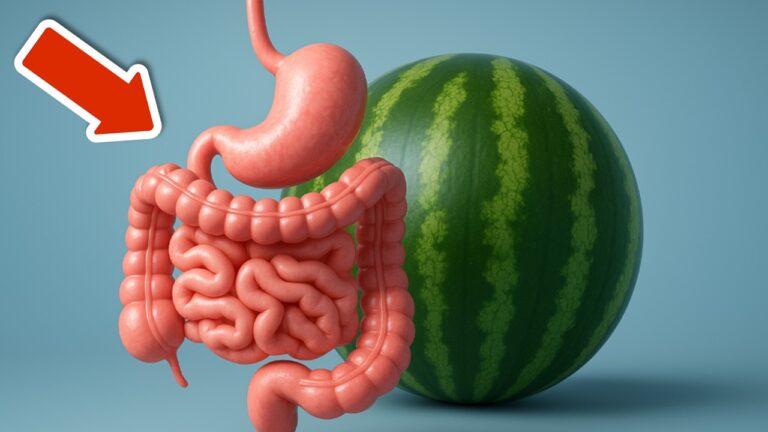
5. Digestive Disorders
Conditions like Irritable Bowel Syndrome (IBS) or chronic gastritis can affect nutrient absorption and lead to fatigue after meals. Proper diagnosis and management are crucial for alleviating symptoms.
Lifestyle Factors Contributing to Fatigue
In addition to underlying health issues, certain lifestyle choices can contribute significantly to your post-meal exhaustion. Below are key factors to consider:
1. Portion Sizes
Overeating can naturally lead to feeling lethargic after meals. Your body expends energy to digest excessive amounts of food. Keeping your portions in check can help prevent such fatigue.
2. Meal Timing
Eating late at night may disrupt your body’s natural rhythms. If you find yourself sluggish after dinner, consider adjusting your meal times for improved energy levels.
3. Lack of Physical Activity
A sedentary lifestyle can contribute to feelings of fatigue. Incorporating regular physical activity into your routine helps maintain energy levels throughout the day. Simple walks can make a notable difference.
4. Sleep Quality
Adequate restful sleep is vital for maintaining energy levels. If you’re not getting enough sleep, it can directly impact how you feel after meals. Establishing a consistent sleep schedule is key.
Mistakes to Avoid
As you work towards understanding and alleviating post-meal fatigue, consider the following common mistakes:
- Ignoring food sensitivities — Not paying attention to how certain foods affect you can lead to ongoing fatigue.
- Skipping meals — This can destabilize blood sugar levels and worsen fatigue after subsequent meals.
- Consuming high-sugar foods — Foods that cause rapid spikes and crashes in blood sugar can leave you feeling drained.
FAQ
What causes post-meal fatigue? Post-meal fatigue can be caused by various health issues such as food intolerances, diabetes, and lifestyle factors like overeating or sleep quality.
Is it normal to feel sleepy after eating? While some fatigue after meals can be normal, excessive tiredness may indicate underlying health concerns that should be discussed with a healthcare professional.
How can I reduce post-meal fatigue? To alleviate fatigue, consider adjusting portion sizes, eating balanced meals, and ensuring you stay active throughout the day.
Conclusion
Post-meal fatigue can stem from various health issues and lifestyle choices, including food intolerances and overeating. Addressing these factors can help you feel more energized after your meals. Have you experienced post-meal fatigue? Share your thoughts in the comments below.