7 Hidden Conditions Causing Your Post-Meal Stomach Pain You Need to Know About!
7 Hidden Conditions Causing Your Post-Meal Stomach Pain You Need to Know About
- Introduction
- Common Underlying Conditions
- Food Intolerances and Their Effects
- Gastric Issues You Might Overlook
- Mistakes to Avoid
- FAQ
- Conclusion
Introduction
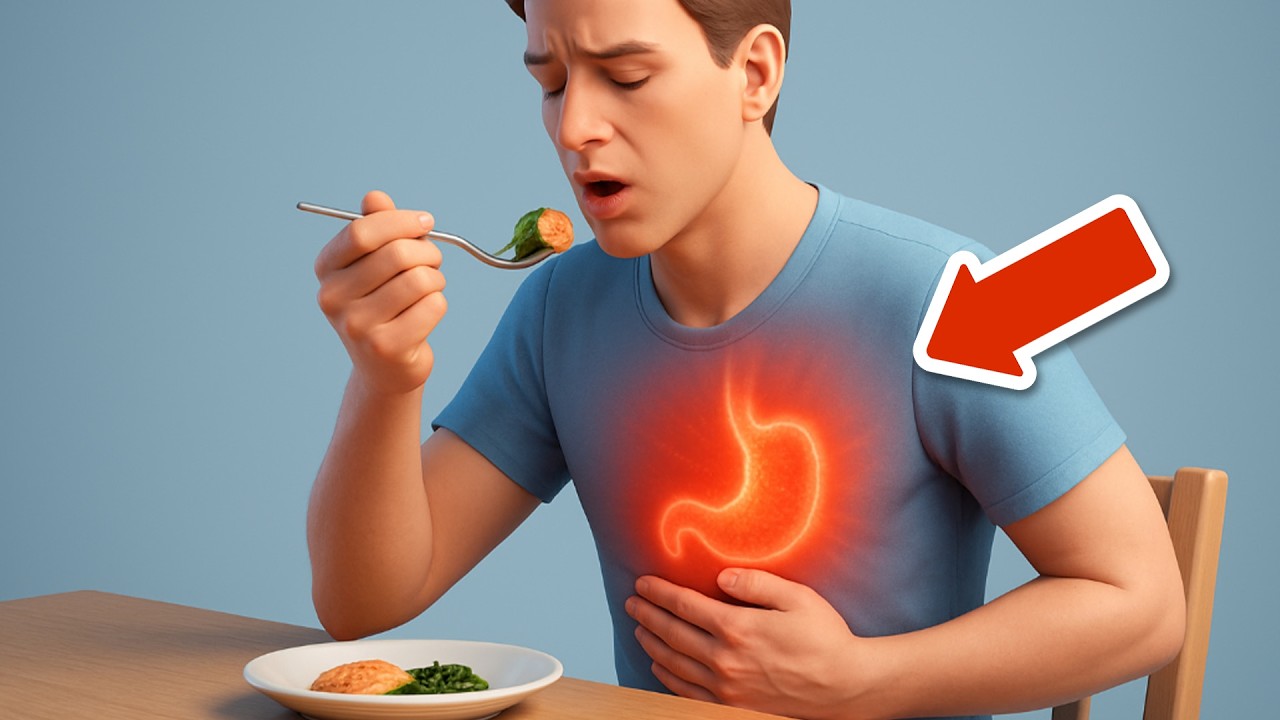
Have you ever enjoyed a meal only to be met with an unwelcome sensation in your stomach shortly afterward? Whether you find yourself experiencing sharp pains, bloating, or discomfort, it can be all too familiar and frustrating. These symptoms can sometimes point to underlying health issues that remain hidden but require your attention. Understanding the reasons behind your post-meal stomach pain can lead you toward better health choices. Let’s explore some common conditions that might be affecting you.
Common Underlying Conditions
Various health conditions can lead to post-meal stomach pain. Being aware of these can help you consult a healthcare provider more effectively.
1. Gastritis
Gastritis is the inflammation of the stomach lining, leading to discomfort, especially after eating. Symptoms often include pain, nausea, and a feeling of fullness. This condition can be triggered by factors like excessive alcohol consumption, stress, or certain medications.
2. Ulcers
Stomach ulcers are sores that develop on the lining of the stomach and can cause significant pain, generally worsening after meals. If you suspect you have ulcers, it’s essential to seek professional medical advice for appropriate treatment.
3. Celiac Disease
This autoimmune condition occurs when the ingestion of gluten leads to damage in the small intestine. If you’re experiencing unexplained stomach pain after consuming wheat-based products, consider discussing testing for celiac disease with your doctor.
Food Intolerances and Their Effects
Food intolerances can often get overlooked but can be significant contributors to post-meal discomfort.
1. Lactose Intolerance
Lactose intolerance occurs when your body lacks the enzyme to break down lactose, leading to bloating, gas, and stomach pain after consuming dairy products. You might consider alternatives like lactose-free milk or plant-based options.
2. Fructose Malabsorption
This condition results in difficulty digesting fructose, a sugar found in many fruits and sweeteners. It’s essential to monitor your intake of high-fructose foods to identify if they correlate with your stomach pain.
3. Histamine Intolerance
Histamine intolerance occurs when the body struggles to break down histamine found in fermented foods, aged cheeses, and processed meats. Reactions may include headaches and digestive issues. Keeping a food diary can help you identify troublesome meals.
Gastric Issues You Might Overlook
Sometimes the pain you feel could stem from less commonly discussed gastric issues.
1. Slow Gastric Emptying
This condition, known as gastroparesis, slows down the emptying of food from the stomach. Symptoms can include nausea, vomiting, and abdominal pain after meals. Consulting with a healthcare provider can help manage this condition effectively.
2. Acid Reflux
Acid reflux occurs when stomach acid flows back into the esophagus, often causing heartburn and discomfort. If you find that certain foods worsen your symptoms, keeping a food log can provide insights into which meals to avoid.
3. Bacterial Overgrowth
Small Intestinal Bacterial Overgrowth (SIBO) can lead to pain after eating, particularly after consuming carbohydrates. Symptoms may include bloating and excessive gas. Testing for SIBO through breath tests can help identify this condition.
Mistakes to Avoid
When evaluating your post-meal stomach pain, it’s important to avoid common pitfalls that can complicate your understanding of the issue.
1. Ignoring Symptoms
Don’t dismiss your discomfort as normal. Persistent pain is your body’s way of communicating that something isn’t right.
2. Self-Diagnosing
While research is beneficial, avoid diagnosing yourself based solely on online resources. Always consult a healthcare professional for accurate assessments.
3. Not Keeping a Food Diary
A food diary can offer invaluable insights into what you eat and how it affects your symptoms. Skipping this step may hinder your ability to pinpoint problem foods.
FAQ
What can cause stomach pain after eating?
Stomach pain after eating can be caused by several factors, including food intolerances, gastric conditions like gastritis, and improper digestion.
How can I identify food intolerances?
Identifying food intolerances often involves monitoring your symptoms in relation to your diet. Keeping a food diary and discussing your concerns with a healthcare provider can help.
When should I see a doctor about my stomach pain?
If your stomach pain persists or worsens, especially after meals, it’s important to consult a healthcare professional for thorough evaluation and potential treatment.
Conclusion
Recognizing the hidden conditions behind your post-meal stomach pain can empower you to make informed health choices. By addressing these issues, you’ll not only enhance your well-being but also your overall quality of life. What have your experiences been with stomach discomfort after meals? Share your thoughts in the comments below.