Unlock 7 Secrets of Electric Fan Motors That Will Change Your Life Today!
Understand Electric Fan Motors to Enhance Your Home Comfort
- Introduction
- How Electric Fan Motors Work
- Common Types of Fan Motors
- Maintaining Your Fan Motor
- Mistakes to Avoid with Fan Motors
- FAQ
- Conclusion
Introduction
During the sweltering summer months, your electric fan becomes an essential part of your home. You may notice how consistent airflow can transform your indoor environment, yet you might not fully appreciate the mechanics behind it. Typically, many of us simply turn on the switch, expecting comfort without considering the motor’s tuning or upkeep. Understanding the nuances of your electric fan motor can greatly enhance its performance and longevity. Let’s dive deeper into the details that can help you manage your fan’s efficiency and maintenance.
How Electric Fan Motors Work
To fully grasp the importance of your electric fan, it’s beneficial to understand how its motor operates.
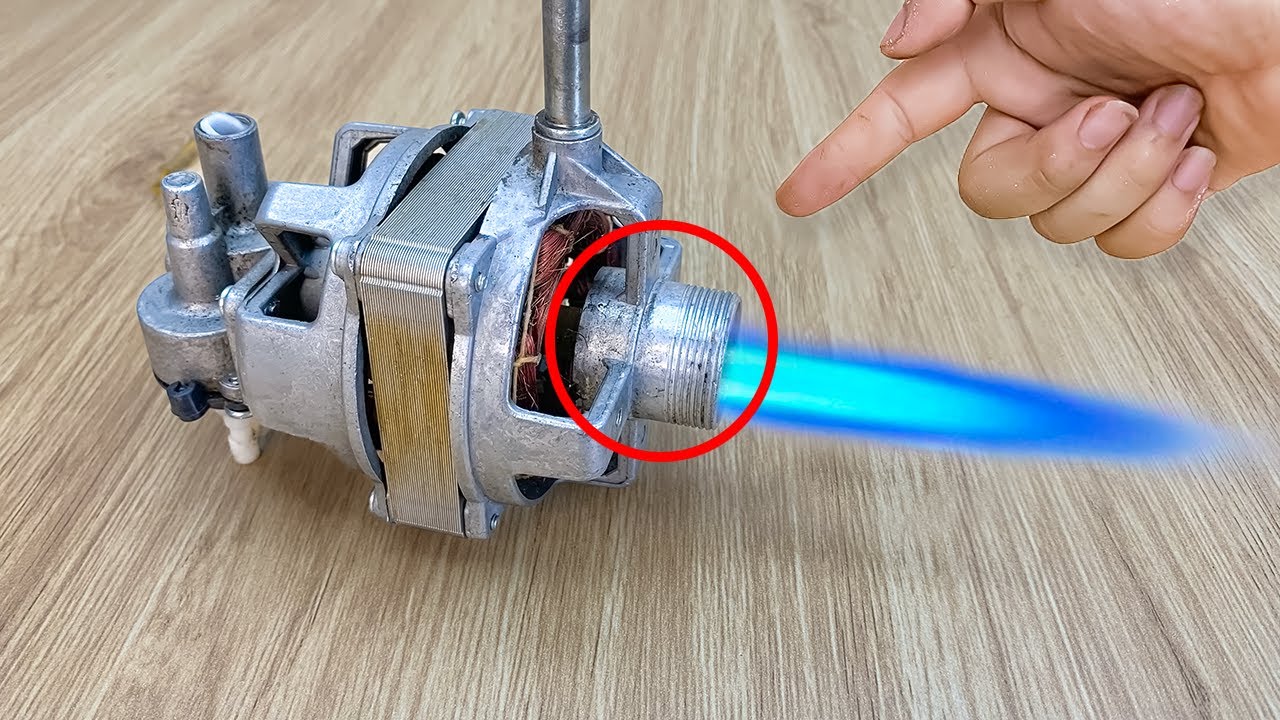
Basic Components of a Fan Motor
- Stator: The stationary part that generates a magnetic field.
- Rotor: The rotating component that moves the blades.
- Windings: Coils of wire that produce electromagnetic force.
The Working Principle
Electric fan motors operate on the principle of electromagnetism. When electricity flows through the windings, it creates a magnetic field that pulls or pushes the rotor, causing the blades to spin. This movement generates airflow, making your space cooler and more comfortable.
Common Types of Fan Motors
Whether in ceiling fans, table fans, or exhaust fans, different motors serve various cooling purposes.
Induction Motors
Induction motors are widely used due to their reliability and efficiency. They perform well with minimal maintenance, making them ideal for residential use.
Brushless DC Motors
These motors are known for their energy efficiency and quiet operation. They are increasingly common in modern fans aimed at energy-conscious consumers.
Maintaining Your Fan Motor
Regular maintenance can significantly affect the longevity and effectiveness of your electric fan’s motor.
Cleaning the Fan and Motor
- Unplug the fan before any maintenance.
- Remove the fan guard and blades carefully.
- Dust the motor housing and blades using a soft cloth or brush.
Lubrication
Some fan motors may require lubrication to run smoothly. Use light machine oil to avoid damaging the motor’s components.
Mistakes to Avoid with Fan Motors
Being aware of common mistakes can save you from unnecessary repairs and enhance the performance of your fan motor.
- Ignoring noise: Unusual sounds often indicate a problem that needs attention.
- Neglecting cleaning: Dust buildup can hinder performance and strain the motor.
- Overloading: Using a fan beyond its capacity can lead to motor failure.
FAQ
What causes fan motor failure? Fan motor failure can be due to overheating, electrical faults, or lack of maintenance. Regular checks can prevent these issues.
How often should I clean my fan? It’s advisable to clean your fan at least twice a year, especially before peak usage seasons. This ensures optimal performance.
Can I fix a fan motor myself? While minor maintenance is often manageable, significant repairs should be handled by a professional to prevent further damage.
Conclusion
Understanding your electric fan motor is crucial for enhancing home comfort and ensuring longevity. With regular maintenance and a few smart practices, you can enjoy a consistently cool environment. What steps will you take to improve your fan’s efficiency today?