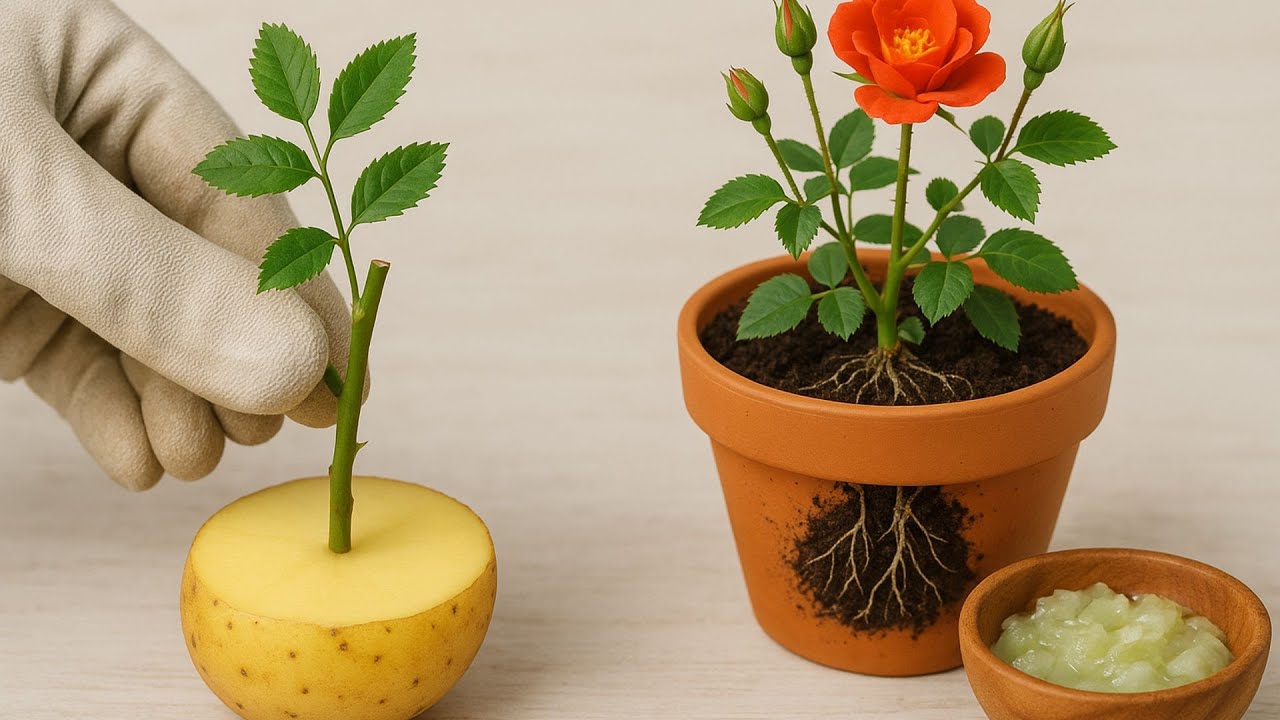
Grow 100 Roots from a Potato: Amazing Tips for Healthy Rose Branches!
Grow Healthy Rose Branches from Potatoes: A Practical Guide
- Introduction
- Benefits of Using Potatoes for Rooting
- Materials Needed
- Step-by-Step Guide to Rooting
- Common Mistakes to Avoid
- FAQ
- Conclusion
Introduction
Have you ever felt disappointed when your rose cuttings didn’t thrive? You’re not alone. Many gardeners struggle to achieve successful propagation, especially when it comes to nurturing roses. Utilizing potatoes as a medium for rooting can unlock new potential for healthy branch growth. It’s a unique and natural approach that’s gaining popularity among home gardeners. Keep reading to uncover how you can transform your gardening routine.
Benefits of Using Potatoes for Rooting
Using potatoes for rooting rose cuttings offers several advantages that can enhance your gardening experience.
Retains Moisture
Potatoes naturally retain moisture, creating an ideal environment for your rose cuttings to thrive. The moisture helps keep the cuttings hydrated as they develop roots.
Provides Nutrients
As the cuttings grow, they benefit from the nutrients found in potatoes. These nutrients aid in robust root growth, enhancing the overall health of the rose plants.
Easy to Use
This method is straightforward, making it accessible even for novice gardeners. With just a few materials, anyone can try their hand at growing healthy roses from cuttings.
Materials Needed
- Healthy rose cuttings (6-8 inches in length)
- Potatoes (preferably large and firm)
- Garden soil or potting mix
- Containers or pots (for planting)
- Watering can or spray bottle
Step-by-Step Guide to Rooting
Follow these simple steps to successfully grow healthy rose branches from potatoes:
- Select healthy rose cuttings that are free from disease.
- Cut a potato in half and make a hole in the center large enough to accommodate the cutting.
- Insert the rose cutting into the potato, ensuring that at least one node is submerged.
- Plant the potato in a container filled with garden soil or potting mix.
- Water the soil lightly to keep it moist but not soggy.
Placement and Care Tips
Place your container in a warm, well-lit area but avoid direct sunlight. Keep the soil moist and check regularly for signs of growth.
Common Mistakes to Avoid
To ensure successful propagation of your rose cuttings, it’s important to avoid these common pitfalls:
- Using old or diseased cuttings, which can hinder growth.
- Overwatering the potato and cutting, leading to rot.
- Placing your container in too much direct sunlight, which can stress the cuttings.
- Neglecting to monitor moisture levels, resulting in drying out.
- Failing to change the soil if root rot occurs in the potato.
FAQ
Can all types of roses be propagated this way?
Yes, most types of roses can be propagated using this method, including hybrid teas and floribundas.
How long does it take for roots to develop?
Typically, you can expect roots to start forming within 4 to 6 weeks, provided the conditions are right.
What should I do if my cuttings don’t grow?
If your cuttings aren’t thriving, check for issues such as overwatering, inadequate light, or using unhealthy cuttings.
Conclusion
Rooting rose branches from potatoes is an effective and simple method for expanding your garden. By following the steps outlined, you can encourage new growth and enjoy the beauty of blooming roses. Have you tried this method before, or do you have other creative propagation tips to share?