
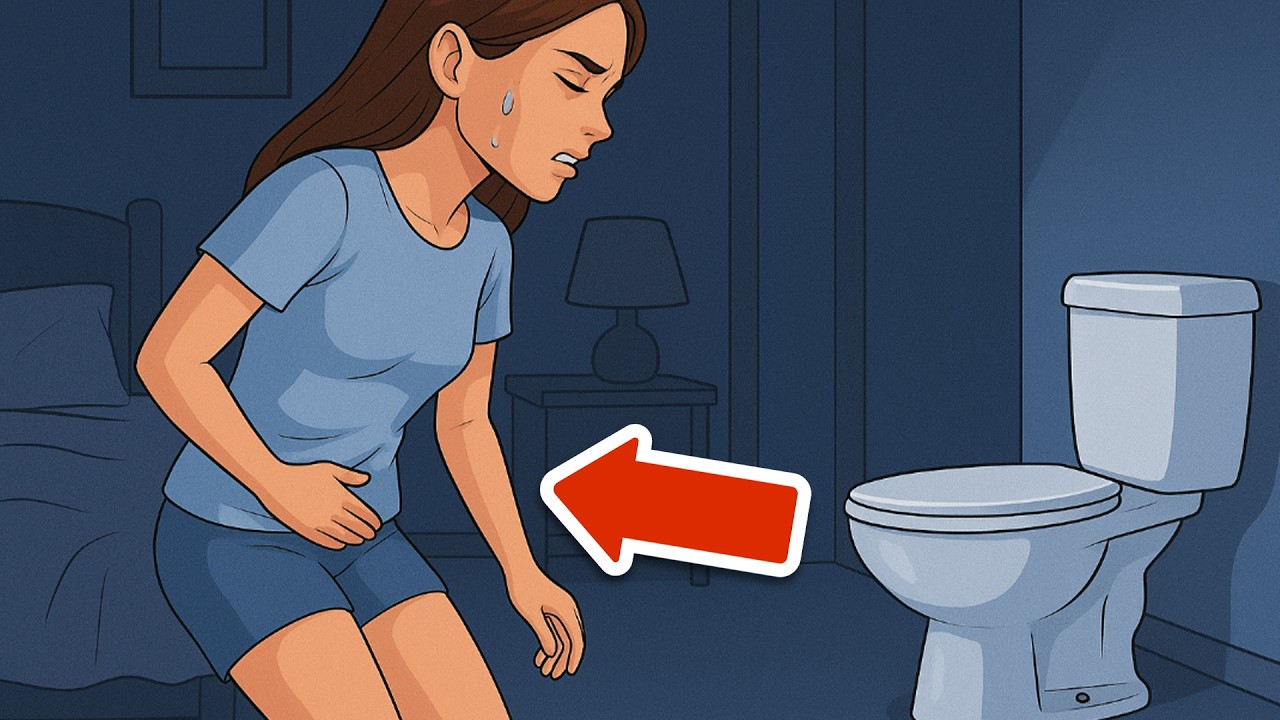
8 Warning Signs You Shouldn’t Ignore When You Wake Up at Night
8 Warning Signs You Shouldn’t Ignore When You Wake Up at Night
- Understanding Your Sleep
- Common Issues That Cause Night Waking
- Physical Signs to Observe
- Emotional Factors Affecting Sleep
- Mistakes to Avoid When Waking Up at Night
- FAQ
Understanding Your Sleep
Waking up at night can be a frustrating experience, often leaving you feeling groggy and anxious the next day. You might find yourself staring at the clock, wondering why you’re not able to drift back into slumber. This situation is more common than you think and can stem from various underlying issues. It’s important to recognize certain warning signs that your body might be trying to communicate. Knowing when to seek help can lead to better sleep and overall well-being.
Common Issues That Cause Night Waking
There are several reasons why you might wake up in the middle of the night. Understanding these can help you pinpoint the cause of your restless mornings.
1. Sleep Apnea
Sleep apnea is a serious condition that interrupts your breathing during sleep. You may wake up gasping for air, often without realizing it. If you experience this, it’s vital to consult a healthcare professional.
2. Stress and Anxiety
High levels of stress and anxiety can keep your mind racing even while you’re trying to rest. If you frequently wake up feeling overwhelmed, consider keeping a journal by your bedside to jot down any thoughts that are troubling you.
3. Hormonal Changes
Hormonal fluctuations, especially during menopause, can cause significant sleep disturbances. If you’re experiencing night sweats or changes in your cycle, these could be affecting your sleep quality.
Physical Signs to Observe
When you wake at night, pay attention to any physical signals your body sends. These signs can help you understand what might be wrong.
1. Chronic Pain
If you’re waking up due to chronic pain, it could be linked to conditions like arthritis or back problems. Consider speaking to a doctor to explore possible treatments.
2. Digestive Issues
Indigestion or acid reflux may also wake you at night. If you frequently find yourself uncomfortable after meals, try to eat at least two to three hours before bedtime.
3. Restless Leg Syndrome
Restless leg syndrome can cause an irresistible urge to move your legs, making it difficult to stay asleep. If this resonates, consult a healthcare provider for management options.
Emotional Factors Affecting Sleep
Your emotional well-being plays a crucial role in your sleep patterns. Identifying these factors is key to improving your nightly rest.
1. Overthinking
Find yourself overthinking at night? This habit can significantly interfere with your ability to relax. Try incorporating mindfulness or meditation practices into your day to help manage intrusive thoughts.
2. Feeling Isolated
If you feel emotionally isolated or unsupported, it can contribute to poor sleep. Stay connected with friends and family, or consider engaging in community activities to boost your emotional health.
3. Sudden Life Changes
Big changes, like moving or changing jobs, can disrupt sleep. If you’re feeling overwhelmed by transitions, consider seeking support from a therapist or counselor.
Mistakes to Avoid When Waking Up at Night
When you wake at night, it can be tempting to engage in behaviors that might actually worsen your sleep issues. Here are a few common mistakes to avoid:
- Avoid using screens: The blue light emitted by phones and computers can interfere with your sleep cycle.
- Don’t get out of bed: Staying in bed may help condition your body to understand that it’s still time to rest.
- Resist caffeine: Consuming caffeine too late in the day can lead to night-time awakenings.
FAQ
What are common reasons for waking up at night?
Common reasons include sleep apnea, stress, and hormonal changes.
How can I improve my sleep quality?
Maintaining a routine, creating a calming bedtime environment, and managing stress can significantly help your sleep quality.
When should I seek help for my sleep issues?
If your sleep disturbances persist and affect your daily life, it’s advisable to consult a healthcare professional.
Conclusion
Recognizing the warning signs of disrupted sleep is crucial for taking steps toward better health. By understanding your body and addressing these issues, you can improve your sleep quality. Have you experienced any of these signs? Share your thoughts in the comments below.