10 Common Foods Hurting Your Liver That You Eat Every Day!
10 Common Foods Hurting Your Liver That You Eat Every Day
- Introduction
- Processed Foods and Their Impact
- Sugary Drinks to Avoid
- The Effects of Alcohol on Your Liver
- Understanding Trans Fats
- Common Mistakes to Avoid
- FAQ
- Conclusion
Introduction
Sometimes the foods you regularly enjoy could be quietly affecting your health, particularly your liver. You might not even realize that some pantry staples are contributing to liver strain. From daily snacks to your go-to beverages, the impact of these foods can accumulate over time. Understanding how specific foods can harm your liver is essential for maintaining your overall well-being. Let’s dive deeper into what you might be consuming that could be detrimental.
Processed Foods and Their Impact
Processed foods are convenience items that many of us incorporate into our diets without a second thought. While they save time, they can have serious effects on your liver health.
1. Common Processed Foods
- Chips
- Frozen meals
- Sugary breakfast cereals
2. Hidden Ingredients
These foods often contain high levels of sodium, sugar, and unhealthy fats, which can put undue stress on your liver. Reading labels carefully can help you avoid harmful additives.
3. Alternatives to Consider
Opt for whole foods like fruits, vegetables, and homemade meals. Cooking at home allows you to control ingredients and make healthier choices.
Sugary Drinks to Avoid
Your choice of beverages can be just as important as solid foods. Some drinks are particularly hard on your liver.
1. Sodas and Soft Drinks
These beverages are loaded with fructose, which can lead to fat accumulation in the liver. The excess sugar converts into fat rather than energy, contributing to fatty liver.
2. Sports Drinks
Even drinks marketed as healthy can be harmful. They are often rich in sugar and can lead to liver issues if consumed frequently.
3. Healthier Beverage Options
- Water infused with fruits
- Herbal teas
- Homemade smoothies
The Effects of Alcohol on Your Liver
Alcohol is one of the most well-known culprits for liver damage. Understanding its effects can help you make more informed choices.
1. Drink in Moderation
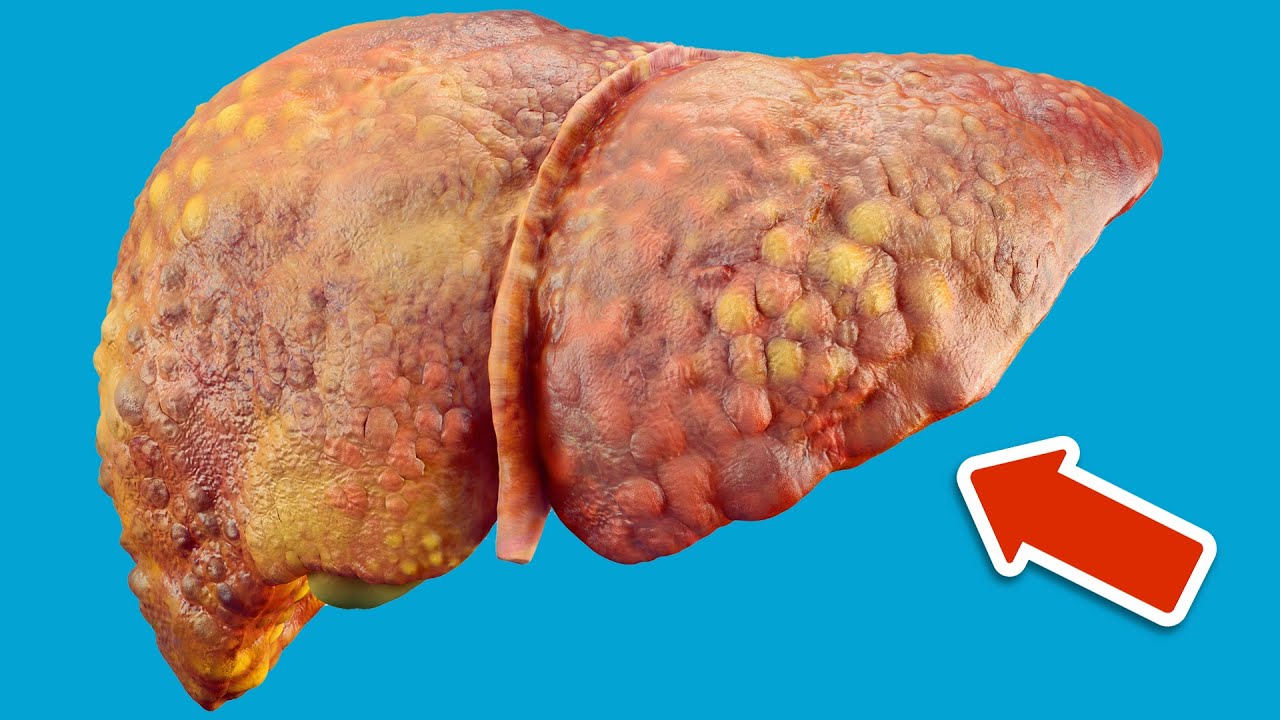
Excessive alcohol consumption can lead to conditions like fatty liver disease and cirrhosis.
2. Recommendations for Consumption
If you choose to drink, do so in moderation. For women, this typically means up to one drink per day.
3. Recognizing Symptoms
Paying attention to your body can help. Signs such as fatigue, jaundice, and abdominal pain could indicate liver issues.
Understanding Trans Fats
Trans fats are another category of food that can negatively impact your liver health.
1. Where to Find Trans Fats
Common sources include fried foods, baked goods, and margarine. These are often found in processed products that many people consume regularly.
2. Health Risks
Trans fats not only contribute to liver problems but also increase bad cholesterol levels, leading to cardiovascular issues.
3. Alternatives to Trans Fats
- Use olive oil for cooking
- Choose whole grain options
- Make baked goods from scratch using natural fats
Common Mistakes to Avoid
Understanding what foods to avoid is only part of the equation. Here are some common mistakes to watch out for.
1. Ignoring Labels
Many people overlook food labels, which can lead to unknowingly consuming harmful ingredients.
2. Relying on “Health Food” Claims
Just because something is labeled as “healthy” doesn’t mean it is. Always check the ingredients list.
3. Overconsumption of “Natural” Sugars
Even natural sugars from sweet fruits can contribute to liver strain if eaten in large amounts.
FAQ
1. What foods are worst for liver health?
Processed foods, sugary drinks, alcohol, and trans fats can be particularly harmful to liver health.
2. How can I improve my liver health?
Eating a balanced diet rich in whole foods, staying hydrated, and moderating alcohol consumption can significantly improve liver health.
3. Are there any symptoms of liver damage?
Symptoms can include fatigue, jaundice, and abdominal pain, but it’s important to consult a professional for a diagnosis.
Conclusion
Being mindful of what you consume is key to protecting your liver. By avoiding certain foods and making healthier choices, you can support your liver health for years to come. What small changes will you consider making in your diet? Your thoughts are welcome in the comments below!