10 Essential Tips Every Snake Plant Owner Should Know
10 Essential Tips Every Snake Plant Owner Should Know
Snake plants are a favorite among houseplant enthusiasts for many reasons. With their attractive appearance, low maintenance needs, and slow growth, they make an excellent addition to any home. If you’re new to caring for snake plants, you probably have a lot of questions. How much water do they need? Are certain varieties better for indoor environments? Where should you position them in your home? This article will provide all the insights you need to successfully care for your snake plant.
1. Family Classification
Snake plants belong to the Sansevieria family, which has recently been integrated into the Dracaena family. Both classifications are still in use today, reflecting the ongoing debate among botanists.
2. Encouraging Flowers
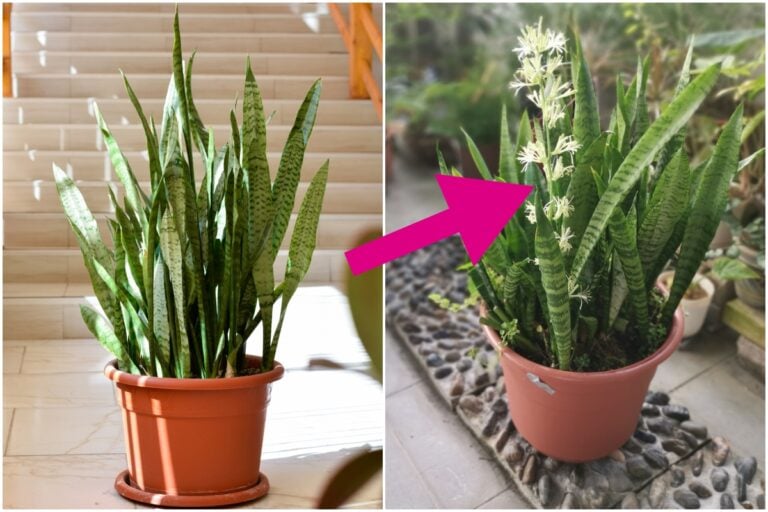
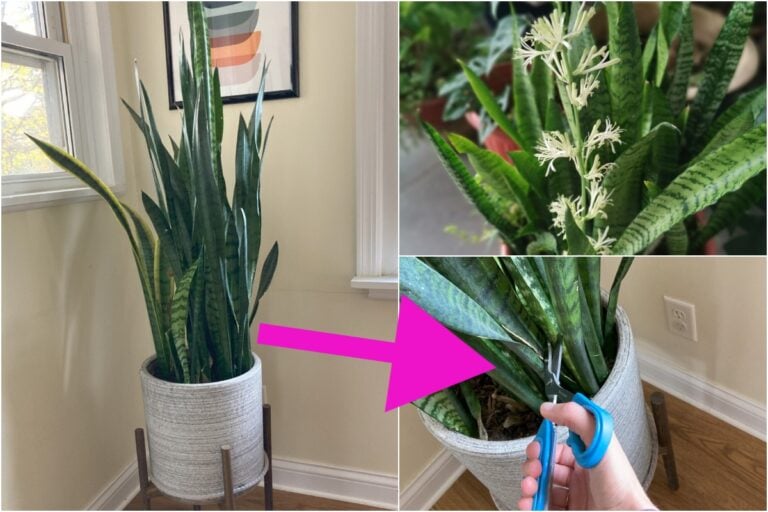
While snake plants are cherished for their stunning foliage, they can also bloom under the right conditions. Their delicate, creamy-white flowers resemble lilies and typically bloom in spring. To encourage this flowering, expose the plant to more light and limit watering, creating a bit of environmental stress which signals the plant to reproduce.
3. Slow Growth
One of the appealing features of snake plants is their slow growth. They maintain a similar appearance for months and can grow anywhere from six inches to over seven feet, depending on the variety. While they generally live for five to ten years, some can thrive for 25 years or more.
4. Air Purification
Snake plants gained popularity thanks to a NASA study that indicated their ability to purify indoor air. They remove toxins like formaldehyde and can even convert CO2 to O2 at night using a process called Crassulacean Acid Metabolism (CAM). However, claims that they can sustain human life in an airtight room are exaggerated.
5. Easy Care
Snake plants are often dubbed the “easiest houseplant” because of their resilience. They thrive on minimal attention and are adaptable to various light conditions, from low light to direct sunlight. Just ensure they have well-draining soil, as overwatering can lead to root rot.
6. Repotting Needs
Due to their slow growth, snake plants often don’t need repotting for years. You should only consider this if roots are visibly pushing against the pot’s edges. When repotting, gently loosen the roots and ensure they are covered with fresh soil.
7. Varieties Available
There are over 70 varieties of snake plants, with the most common being the Sansevieria trifasciata. Some notable varieties include:
- Bird’s Nest Snake Plant: A compact variety that resembles a bird’s nest.
- Cylinder Snake Plant: Features dark green, tubular leaves that can reach seven feet.
- Moonshine: Short and silvery-green with broad leaves.
- White Snake Plant: Pale green with vertical stripes, growing up to three feet tall.
- Twisted Sister: A dwarf variety with yellow-green whorled leaves.
- Golden Hahnii: Short leaves with bright yellow edges.
- Rhino Grass: Known for its thick, tubular leaves, reaching twelve inches tall.
8. Growing from Cuttings
If you already own a snake plant, propagating it is simple. You can take leaf cuttings or divide the roots. When taking cuttings, place the cut end in water in a sunny spot, and change the water every two weeks. Alternatively, let the cut end callous for 24 hours before planting in soil.
9. Watch for Root Rot
While snake plants are generally resilient, root rot can be a concern if overwatered. Signs of trouble include wilting or yellowing leaves. To prevent this, only water when the soil feels dry to the touch and use fresh soil when repotting.
10. Pruning Tips
Though snake plants grow slowly, you may occasionally need to prune to maintain their appearance. Simply cut away any tall or damaged leaves at the soil line using a sterile knife. The best time to prune is during winter when the plant experiences less stress.
Conclusion
Snake plants are an excellent choice for both novice and experienced plant owners. With their ease of care, diverse varieties, and air-purifying qualities, they make a beautiful addition to any home. By following these essential tips, you can ensure that your snake plant thrives for years to come.