10 Garden Mistakes to Avoid This Fall for a Thriving Spring
10 Garden Mistakes to Avoid This Fall for a Thriving Spring
With fall upon us, many gardeners are ready to put their tools away and call it a season. However, before you completely disengage from your garden, be mindful of some common mistakes that could hinder your success come spring. Here are ten pitfalls to avoid this autumn to ensure a flourishing garden next year.
1. Doing Your Fall Planting Too Late
Fall is an excellent time to plant many vegetables, especially those you sowed in spring. However, it’s crucial to ensure these plants have enough time to mature before the first hard frost. Leafy greens like lettuce and kale can survive light frosts, but they won’t last long in extreme cold.
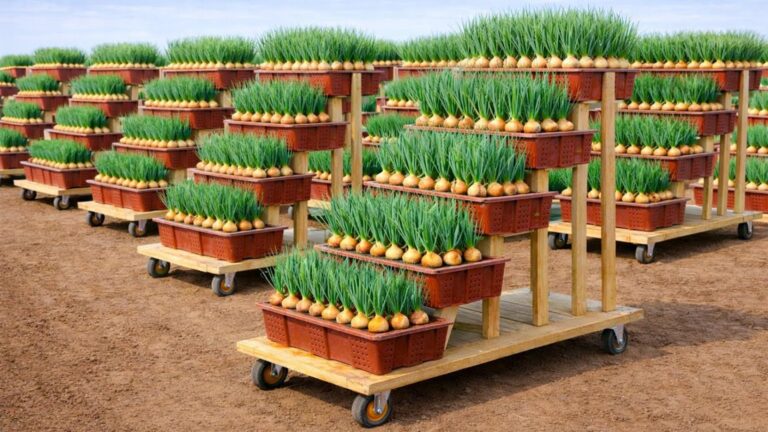
Onions and garlic can also be planted in the fall to be harvested in spring. Just make sure to plant them early enough for them to establish roots before winter. If you find yourself running out of time, don’t worry; spring planting for garlic is still an option.
2. Skipping Soil Amendments
Your garden soil deserves some TLC after a full growing season. Simply taking a break isn’t enough; now is the time to enrich it for spring. By adding soil amendments like compost, biochar, or leaf mold in the fall, you allow these nutrients to break down, making them available when your plants wake up in spring.
3. Not Weeding Anymore
As the summer garden winds down, it’s tempting to stop weeding, but the weeds don’t take a season off. They’re robust and opportunistic, ready to invade any bare ground. Even if your plants are finished for the year, continue weeding this fall to prevent them from establishing deep roots that will haunt you in spring.
4. Not Mulching
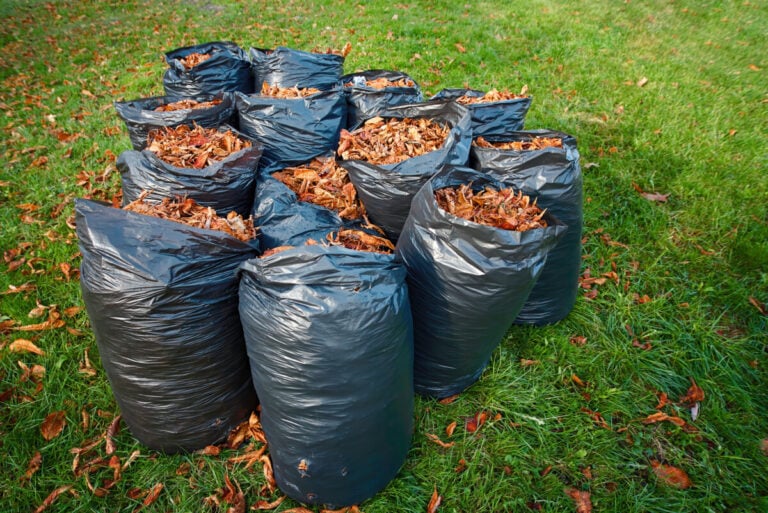
If you haven’t been using mulch during the growing season, fall is the perfect time to start. Bare soil is vulnerable to erosion and weed growth. A thick layer of mulch will keep your garden protected over the winter, retaining moisture and preventing soil loss. Don’t overlook the abundance of leaves; they can serve as excellent mulch.
5. Letting Leaves Pile Up on Your Lawn
While it’s important to keep our gardens natural, allowing leaves to accumulate on your lawn can cause problems. Too many whole leaves can create dead spots in the grass, making it easier for weeds to take over. If you don’t want to rake them, at least mulch them with your lawn mower, allowing them to decompose and nourish the soil.
6. Forgetting to Protect Tender Plants
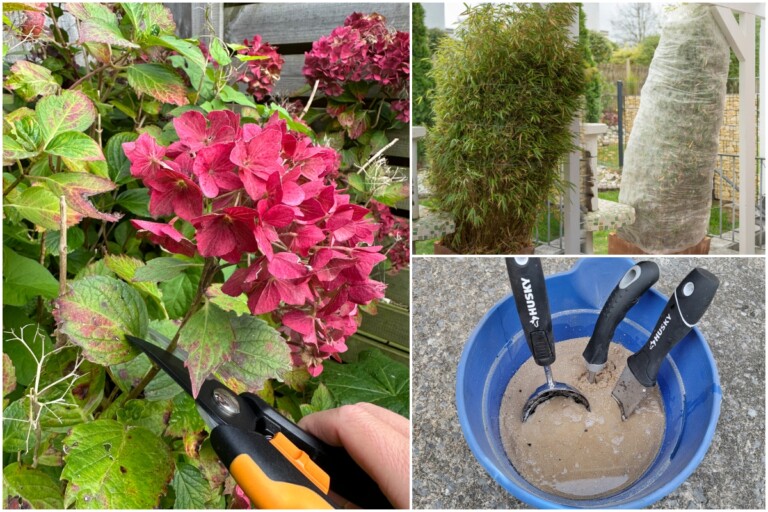
Newly planted shrubs and bushes require extra protection from cold temperatures. If you’ve added any tender plants this year, now is the time to cover or insulate them for the winter. Don’t forget to check other plants around your yard, providing them with the care they need for a healthy season ahead.
7. Leaving Plants to Break Down in the Garden
While some gardeners argue for leaving dead plants to shelter pollinators, this can also provide a haven for pests. If you’ve faced pest issues this season, it’s wise to remove dead plant matter. Cut back to soil level and compost or burn these remnants to prevent pests from thriving in your garden.
8. Cutting Down Dead Perennial Flowers
Many gardeners mistakenly cut down perennial flower stalks for a tidy look. Instead, leave them standing over winter, as they provide vital nesting sites for native pollinators. You can trim them back in spring after the insects have returned to activity, ensuring a healthy ecosystem in your garden.
9. Pruning in the Fall
After a summer of growth, you may feel the urge to prune your trees and shrubs in fall, but this can lead to future problems. For flowering bushes like lilacs, pruning now can cut off next year’s blooms. Delay your pruning until after they bloom in the spring to promote healthy growth without risking damage from cold weather.
10. Not Storing Your Garden Tools Properly
As gardening seasons change, it’s easy to forget about tool maintenance. Before putting them away, give your tools a thorough cleaning, removing dirt and debris. Use a garden tool bucket to store, lubricate, and sharpen your tools, ensuring they are ready for action next spring. Proper care will extend their lifespan and save you money in the long run.
Conclusion
Taking a few extra steps this fall can set you up for a flourishing garden next spring. By avoiding these common mistakes, you’ll ensure a more productive growing season ahead. Embrace the fall challenge, and you’ll reap the benefits come spring!