5 Secrets to Perfect Restaurant-Style Chicken Thighs Your Guests Will Love!
5 Secrets to Perfect Restaurant-Style Chicken Thighs
- Introduction
- Selecting the Right Chicken
- Marinade vs. Seasoning
- Cooking Techniques
- Common Mistakes to Avoid
- FAQ
- Conclusion
Introduction
Cooking at home can sometimes leave you wishing for that restaurant-quality flavor in your dishes. You want your meals to impress family and friends, but it can be challenging to achieve that perfect balance of taste and texture. If you’ve ever eaten chicken thighs at a favorite restaurant and tried to recreate them, you know how elusive that perfection can be. The good news is, with just a few secrets, you can master the art of making perfect restaurant-style chicken thighs that will delight your guests.
Selecting the Right Chicken
The foundation of any great dish lies in the quality of its ingredients. When it comes to chicken thighs, choosing the right type can vastly improve your results.
1. Opt for Skin-On Thighs
For that rich flavor and crispy exterior, choose skin-on chicken thighs. The skin helps retain moisture while adding additional taste.
2. Choose Bone-In for Flavor
Bone-in thighs tend to be more flavorful than boneless options. The bone releases juices during cooking, enhancing the overall taste of the dish.
3. Look for a Good Source
Consider finding a local butcher or farmer’s market to source high-quality, organic chicken. Fresh, natural chicken often yields the best results.
Marinade vs. Seasoning
How you season your chicken can make or break the dish. Understanding the difference between marinating and seasoning allows for more depth in flavor.
1. The Benefits of Marinating
Marinades infuse your chicken with flavor and moisture. Use a combination of oil, acid (like vinegar or citrus juice), and herbs or spices for the best results. A simple marinade can be made with:
- Olive oil
- White wine vinegar
- Garlic
- Rosemary
2. Dry Seasoning Blends
If you don’t have time to marinate, a dry seasoning blend can also elevate the flavor. Consider using a mix of:
- Salt and pepper
- Paprika
- Garlic powder
Apply the dry rub generously to ensure the flavors penetrate the meat.
Cooking Techniques
Different cooking methods can produce varying textures and flavors in your chicken. Here are some effective techniques to consider.
1. Searing and Basting
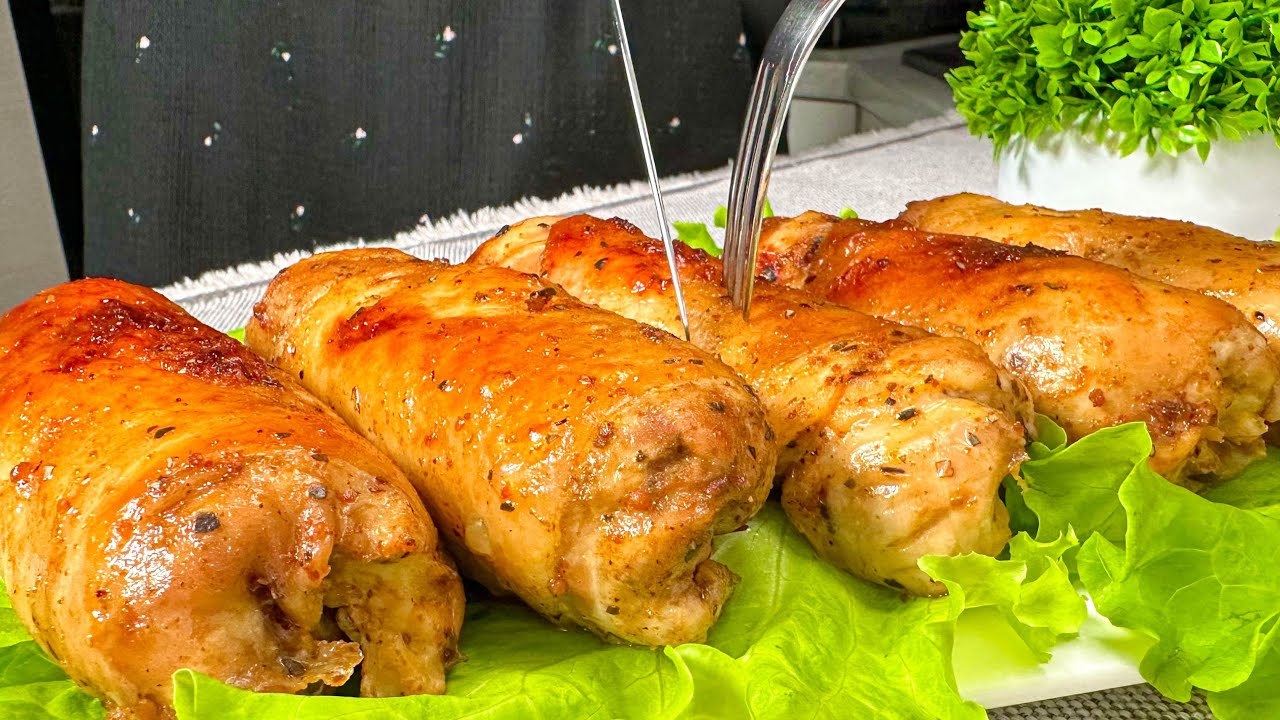
Start by searing the chicken in a hot skillet, skin side down, until it’s golden brown. This creates a beautiful crust. Then, consider basting with your marinade or a mixture of butter and herbs to keep the meat juicy.
2. Oven Roasting
For an evenly cooked thigh, finish in the oven. Set your oven to 400°F (200°C) and roast until the internal temperature hits 165°F (74°C). This method ensures thorough cooking while keeping the chicken tender.
3. Grill for Smokiness
Grilling chicken thighs adds an irresistible smoky flavor. Make sure to preheat the grill and oil the grates to prevent sticking. Cook each side for around 6-7 minutes, or until cooked through.
Common Mistakes to Avoid
1. Skipping the Resting Period
Allowing your chicken to rest for 5-10 minutes after cooking helps the juices redistribute, leading to a moister bite.
2. Overcrowding the Pan
When cooking multiple pieces of chicken, be mindful not to overcrowd the pan. This can trap steam, preventing that lovely crust from forming.
3. Ignoring Internal Temperature
Using a meat thermometer is crucial. Don’t rely on cooking times alone; always check to ensure the thighs have reached a safe internal temperature.
4. Using Low Heat
Cooking chicken at too low a temperature may lead to dry results. Start with medium to high heat for proper searing before transitioning to lower heat if needed.
FAQ
What is the best way to store leftover chicken thighs?
Store leftover chicken thighs in an airtight container in the refrigerator for up to 3-4 days. You can also freeze them for longer storage.
How do I know when chicken thighs are fully cooked?
The safest way to check is with a meat thermometer. Chicken thighs should reach an internal temperature of 165°F (74°C).
Can I use boneless chicken thighs instead?
Yes, boneless thighs can be used, but keep in mind they may cook faster and may require different cooking techniques to maintain flavor and moisture.
Conclusion
Mastering the art of cooking perfect restaurant-style chicken thighs involves selecting quality ingredients, understanding flavor techniques, and avoiding common mistakes. By incorporating these tips into your cooking routine, you’ll be well on your way to impressing your guests with every meal. What is your favorite way to prepare chicken thighs? Share your thoughts in the comments!