
8 Alarming Diseases Linked to Your Nightmares You Need to Know About!
Understanding the Alarming Diseases Linked to Your Nightmares
- Introduction
- Common Conditions Associated with Nightmares
- Underlying Causes of Nightmares
- Prevention Techniques for Nightmares
- Mistakes to Avoid Related to Nightmares
- FAQ
- Conclusion
Introduction
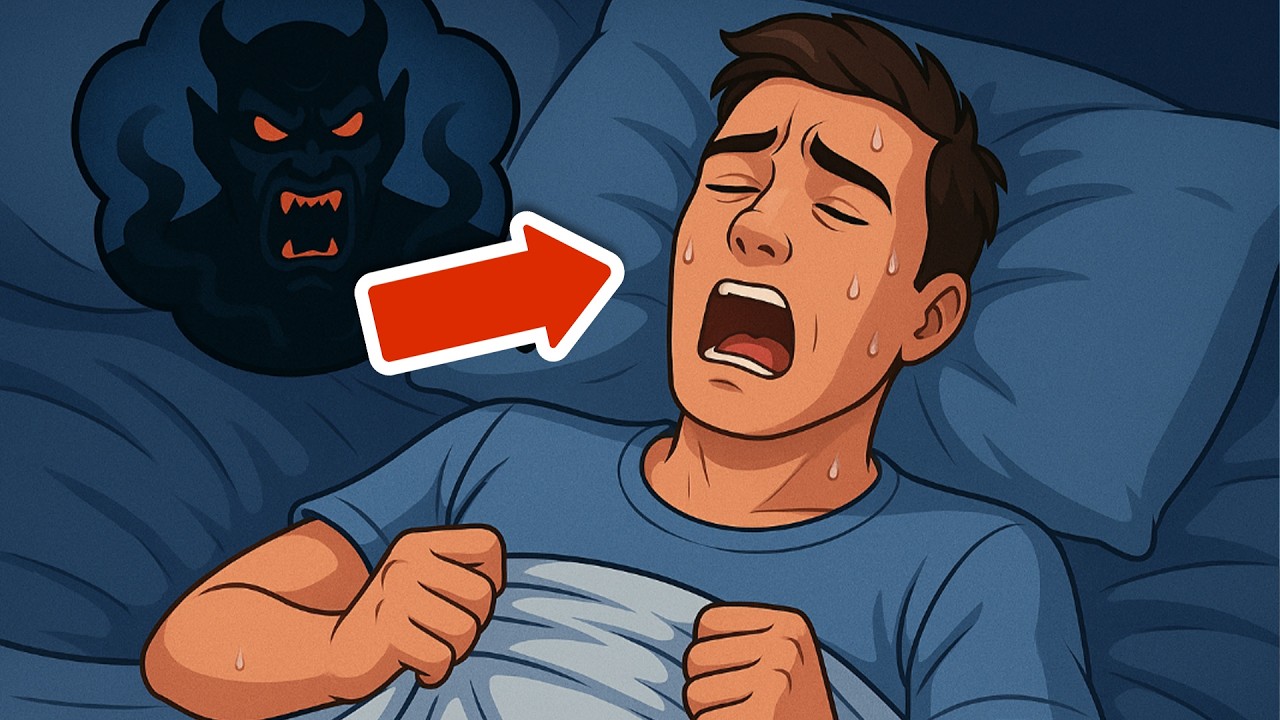
You might have woken in a cold sweat, heart racing, after a troubling nightmare that left you feeling unsettled. Such experiences are not uncommon, but did you know that they might indicate something more serious lurking beneath the surface? Many people dismiss their nightmares as mere products of stress or poor sleep habits. However, these disturbances can sometimes act as warning signs of underlying health conditions. Taking a closer look at the connection between nightmares and health issues is essential for your well-being.
Common Conditions Associated with Nightmares
Understanding the types of health issues related to nightmares can help you take proactive steps towards improvement. Here are some of the most common conditions linked to restless nights:
- Post-Traumatic Stress Disorder (PTSD) – Nightmares are a hallmark of PTSD, often stemming from traumatic events.
- Anxiety Disorders – Persistent anxiety can manifest itself through frequent nightmares, disrupting your peace.
- Depression – Sleep disturbances, including nightmares, are often reported by individuals struggling with depression.
- Sleep Apnea – This condition can lead to fragmented sleep and increase the likelihood of experiencing vivid dreams and nightmares.
- Substance Abuse – Withdrawal from substances like alcohol or drugs can lead to intense nightmares during recovery.
Impact on Daily Life
Living with nightmares can severely impact your quality of life. You may find yourself feeling fatigued, anxious, or even socially withdrawn due to fear of sleep. It is important to address these nightmares to regain control over your wellbeing.
Underlying Causes of Nightmares
Several factors may contribute to the occurrence of nightmares beyond recognized conditions. Below are some underlying causes:
- Stress – Daily stressors, whether work-related or personal, can contribute to troubled sleep and nightmares.
- Medications – Certain medications, particularly those targeting depression or anxiety, can induce vivid dreams.
- Sleep Deprivation – Lack of sufficient rest can lead to altered sleep cycles, making nightmares more likely.
Sleep Hygiene Tips
To combat nightmares, consider incorporating better sleep hygiene habits. Maintain a consistent sleep schedule, create a calming bedtime routine, and ensure your sleeping environment is comfortable and free of distractions.
Prevention Techniques for Nightmares
Taking steps to prevent nightmares can hopefully lead to more restful sleep. Here are some practical techniques:
- Relaxation Techniques – Try practicing mindfulness or deep-breathing exercises before bed to calm your mind.
- Cognitive Behavioral Therapy – A form of therapy focusing on changing negative thought patterns may help reduce the frequency of nightmares.
- Avoiding Stimulants – Cut back on caffeine and nicotine, which can disrupt your sleep cycle.
Creating a Sleep-Friendly Environment
Your sleeping space should be conducive to restful sleep. Keep the room dark, quiet, and at a comfortable temperature to enhance your chances of experiencing peaceful dreams.
Mistakes to Avoid Related to Nightmares
While working to manage your nightmares, be mindful of these common mistakes:
- Ignoring the Problem – Dismissing nightmares as mere stress can prevent you from seeking help for underlying issues.
- Self-Medicating – Turning to alcohol or drugs to cope can exacerbate sleep issues and affect mental health.
- Overthinking – Worrying excessively about your nightmares can lead to a cycle of anxiety and restless sleep.
FAQ
What causes nightmares? Nightmares can be caused by stress, anxiety, depression, medications, or sleep disorders like sleep apnea.
How can I prevent nightmares? Healthy sleep habits, relaxation techniques, and addressing underlying issues can help. Consider consulting a healthcare professional.
Are nightmares a sign of something serious? In some cases, frequent nightmares may indicate underlying health conditions, and it’s advisable to seek guidance if they persist.
Conclusion
Understanding the connection between your nightmares and potential health issues can empower you to take action toward better sleep. By addressing both the symptoms and underlying causes, you can pave the way for a more peaceful night’s rest. Have you experienced nightmares that have concerned you? Share your thoughts in the comments below.