8 Health Conditions to Check If You’re Sweating Excessively!
Understanding Excessive Sweating: 8 Health Conditions to Consider
- Understanding Excessive Sweating
- Conditions Associated with Sweating
- Factors That Influence Sweating
- Mistakes to Avoid
- FAQ
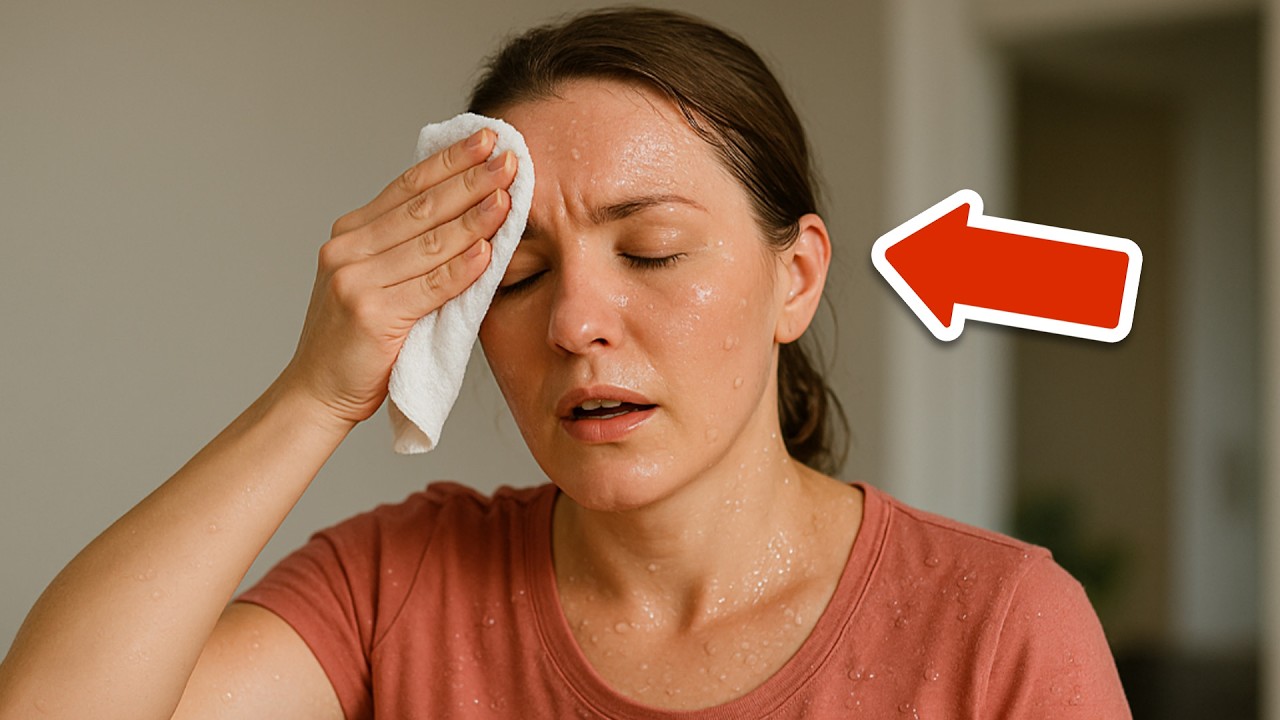
Have you ever found yourself in a social setting, feeling your palms getting clammy or an unexpected sheen forming on your forehead? While sweating is a natural response, excessive sweating can be unsettling and might indicate underlying health issues. It’s essential to pay attention to your body and explore the reasons behind this occurrence. In this article, we will delve into some health conditions associated with excessive sweating, guiding you toward understanding what might be happening.
Understanding Excessive Sweating
Excessive sweating, or hyperhidrosis, can manifest in various forms, ranging from localized sweating in areas like the hands and feet to generalized sweating across the body. You might often notice it during stressful situations or without any apparent reason. Recognizing this condition is the first step toward identifying potential causes and understanding your body’s signals.
1. Types of Sweating
There are two primary types of sweating: primary and secondary. Primary hyperhidrosis often starts in childhood or adolescence and typically affects specific areas. Secondary hyperhidrosis, however, can occur due to underlying health issues or medications.
2. Common Triggers
Common triggers of excessive sweating can include:
- Heat and humidity
- Physical activity
- Emotional stress or anxiety
Conditions Associated with Sweating
Excessive sweating can be more than just an inconvenience; it can signal particular health conditions. Below are some health issues to consider if you experience hyperhidrosis.
1. Thyroid Disorders
Your thyroid gland regulates metabolism and body temperature. An overactive thyroid, known as hyperthyroidism, can lead to an increase in sweating. If you notice other symptoms such as weight loss or increased heart rate, it’s vital to consult with a healthcare professional.
2. Diabetes
People with diabetes may experience hypoglycemia, which can trigger sweating. If you regularly find yourself sweating excessively, it’s essential to monitor your blood sugar levels and discuss any concerns with your doctor.
3. Anxiety Disorders
Excessive sweating can often be linked to anxiety or panic disorders. When you’re anxious, your body goes into fight-or-flight mode, leading to increased perspiration. Techniques such as mindfulness and therapy can help mitigate these symptoms.
4. Infections
Some infections, like tuberculosis or HIV, can provoke night sweats. If you notice an unusual increase in sweating coupled with other symptoms like fever or weight loss, seek medical advice immediately.
5. Menopause
Women undergoing menopause frequently experience hot flashes, which can cause sudden sweating. Understanding these changes can help in managing symptoms effectively.
Factors That Influence Sweating
Various factors contribute to how much you sweat. Recognizing these can provide insight into your own body’s responses.
1. Environmental Factors
High temperatures and high humidity levels can significantly increase sweating. Staying cool with adequate hydration and ventilated clothing can help manage these situations.
2. Lifestyle Choices
Your diet and exercise routine can also influence sweating. Spicy foods and caffeine can increase perspiration, while regular exercise can help regulate it.
3. Medications
Some medications list sweating as a side effect. Always review medication lists with your doctor to understand potential implications on your body.
Mistakes to Avoid
Here are some common mistakes people make when dealing with excessive sweating:
- Ignoring symptoms: If you notice significant changes, consult a healthcare provider instead of dismissing them.
- Self-diagnosing: Avoid jumping to conclusions about potential health issues without professional input.
- Using the wrong products: Many over-the-counter antiperspirants may not be suitable for severe sweating; seek recommendations first.
- Neglecting lifestyle factors: Be mindful of diet and daily habits that may contribute to sweating.
- Failing to track symptoms: Keeping a record can provide valuable insights when discussing concerns with your doctor.
FAQ
What causes excessive sweating?
Excessive sweating can be caused by various factors such as anxiety, underlying medical conditions, medications, or hormonal changes.
Is excessive sweating dangerous?
While sweating itself is not dangerous, excessive sweating can indicate underlying health issues that may require medical attention.
How can I manage excessive sweating?
Management strategies include using specialized antiperspirants, maintaining a healthy lifestyle, and consulting a healthcare provider for further evaluation.
Understanding the reasons behind excessive sweating can lead to better management and health outcomes. Monitoring your body and taking proactive steps can help you feel more in control. Have you experienced excessive sweating recently? Share your thoughts or tips in the comments below.