8 Serious Health Issues You Might Face If You Snore – Find Out Now!
8 Serious Health Issues Related to Snoring You Should Know
- Introduction
- Underlying Health Issues Causing Snoring
- The Risks of Sleep Apnea
- Potential Cardiovascular Problems
- Effects on Mental Health and Well-Being
- Common Mistakes to Avoid
- FAQ
- Conclusion
Introduction
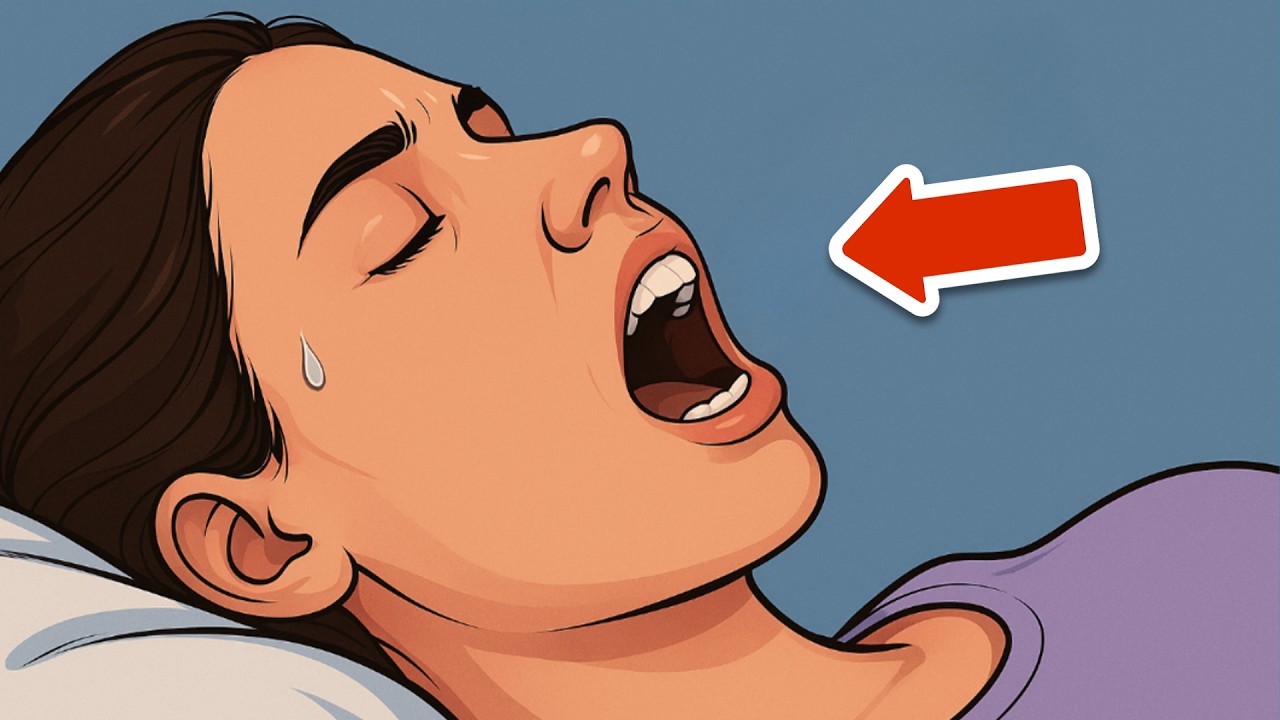
Have you ever woken up to a partner’s gentle nudging, only to realize your snoring has become a nightly routine? While it might seem like a simple nuisance, snoring can be a window into more serious health issues. Many people underestimate the implications of snoring on their overall health and well-being. Understanding the potential risks involved can motivate you to seek solutions and improve not just your sleep, but your health too.
Underlying Health Issues Causing Snoring
Snoring can often be a sign of underlying health conditions. Identifying these issues can lead to better management and resolution of your snoring problem.
1. Obesity and Excess Weight
Carrying excess weight around your neck can obstruct your airways, causing snoring. Losing even a small amount of weight can make a significant difference in reducing snoring.
2. Allergies and Nasal Issues
Allergies can lead to nasal congestion, which often results in snoring. Keeping your living space dust-free and avoiding allergens can alleviate this condition.
3. Sleep Position
Sleeping on your back can cause your tongue to fall back into your throat, impeding airflow. Try changing your sleep position to see if it reduces your snoring.
The Risks of Sleep Apnea
One of the most serious health concerns associated with snoring is sleep apnea, a condition where breathing repeatedly stops and starts during sleep.
1. Impact on Sleep Quality
Individuals with sleep apnea often experience interruptions in their sleep cycle, leading to poor-quality rest. This chronic fatigue can affect your daily life and productivity.
2. Increased Risk of Heart Problems
Sleep apnea can cause fluctuations in blood oxygen levels, increasing the risk of heart issues. Regular evaluations and possible treatments are crucial for managing this condition.
3. Diabetes Correlation
There’s a notable relationship between sleep apnea and Type 2 diabetes. Managing one condition can often provide relief from the other, highlighting the importance of addressing snoring issues.
Potential Cardiovascular Problems
Persistent snoring can significantly increase the risk of cardiovascular problems over time.
1. High Blood Pressure
People who snore may face higher chances of developing hypertension. Monitoring your blood pressure and speaking with your healthcare provider can be beneficial for managing this risk.
2. Stroke Probability
Studies suggest that untreated snoring can lead to a higher risk of stroke. Detecting and treating any sleep disorders promptly is essential.
3. Heart Disease Issues
With regular snoring, the likelihood of developing heart disease also increases. Regular medical check-ups can help you maintain good cardiovascular health.
Effects on Mental Health and Well-Being
The effects of snoring extend beyond physical health, influencing your mental and emotional well-being as well.
1. Depression and Anxiety
Lack of quality sleep can cause mood changes and increase risks of depression and anxiety. Prioritizing sleep quality is crucial for maintaining mental health.
2. Relationship Strain
Snoring can place a strain on personal relationships, leading to feelings of frustration and resentment. Open communication with your partner about your snoring can help ease the situation.
3. Decreased Productivity
Chronic fatigue caused by poor sleep can result in decreased productivity. Taking steps to address your snoring may lead to improved focus and energy.
Common Mistakes to Avoid
When addressing snoring or its related issues, it’s important to be aware of common mistakes that can hinder your progress.
1. Ignoring Snoring Symptoms
Many tend to downplay their snoring as just a nighttime nuisance. Ignoring it can lead to more severe health concerns down the line.
2. Self-Medicating Without Guidance
Using over-the-counter remedies without consulting a healthcare provider is risky. It’s essential to understand the root cause of your snoring first.
3. Not Seeking Professional Help
Failing to see a doctor about your snoring can prevent you from getting a proper diagnosis and treatment plan, particularly if sleep apnea may be involved.
FAQ
What are the most common causes of snoring?
Common causes include obesity, nasal congestion, alcohol consumption, and sleeping position. Addressing these factors can help reduce snoring.
Can snoring lead to sleep apnea?
Yes, snoring can be a sign of sleep apnea, a more serious condition requiring medical evaluation and intervention.
How can snoring affect relationships?
Snoring can cause disruption in sleep for partners, leading to frustration and resentment, which can strain the relationship.
Conclusion
Understanding the serious health issues related to snoring is the first step toward taking action. If you or a loved one are struggling, consider evaluating the factors that may be contributing to the problem. What steps do you plan to take to address your snoring? Your thoughts and experiences are welcome in the comments!