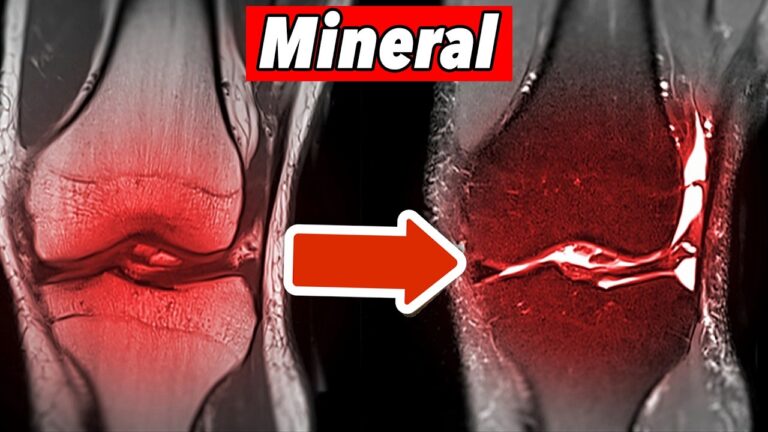

8 Warning Signs of Omega 3 Deficiency You Must Not Ignore!
8 Warning Signs of Omega 3 Deficiency You Must Not Ignore
- Understanding Omega 3 and Its Importance
- 8 Common Warning Signs of Omega 3 Deficiency
- Benefits of Omega 3 for Your Health
- Common Mistakes to Avoid Regarding Omega 3
- FAQ
Understanding Omega 3 and Its Importance
If you often feel fatigued, experience mood swings, or struggle with joint discomfort, you might be experiencing symptoms linked to a lack of omega 3 fatty acids. These essential fats play a critical role in your overall health, particularly for brain function, heart health, and reducing inflammation. Unfortunately, many people don’t get enough omega 3 in their diet, which can lead to various warning signs and health issues. Understanding the significance of omega 3 is the first step towards taking better care of your health.
8 Common Warning Signs of Omega 3 Deficiency
Identifying the signs of omega 3 deficiency early can help you make positive changes to your diet. Here are eight common symptoms to be aware of:
- Dry Skin: Omega 3 helps maintain skin hydration. If your skin feels dry or flaky, it might be lacking these essential fatty acids.
- Fatigue: Persistent fatigue may indicate an insufficiency of omega 3, affecting your energy levels and overall vitality.
- Mood Swings: Omega 3 is vital for brain health. A deficiency may lead to mood swings or increased irritability.
- Joint Pain: Inflammation in your joints can be a sign of low omega 3. Consider adding more fish or flaxseeds to your meals.
- Difficulties in Concentration: If you find it hard to focus, a lack of omega 3 could be impacting your cognitive function.
- Dry Eyes: Insufficient omega 3 may lead to dry or irritated eyes, causing discomfort throughout the day.
- Changes in Sleep Patterns: Poor sleep quality can result from omega 3 deficiency, affecting your mood and energy levels.
- Weakened Immune System: A deficiency can lead to a compromised immune system, making you more susceptible to illness.
Benefits of Omega 3 for Your Health
Incorporating omega 3 into your diet can yield various health benefits:
- Promotes Heart Health: Omega 3 fatty acids can support cardiovascular health by reducing blood pressure and cholesterol levels.
- Enhances Brain Function: These essential fats contribute to cognitive health, potentially lowering the risk of neurodegenerative diseases.
- Supports Emotional Wellness: Regular intake may reduce symptoms of anxiety and depression.
- Aids in Joint Health: Omega 3 can reduce inflammation and alleviate joint pain, enhancing mobility.
Common Mistakes to Avoid Regarding Omega 3
To effectively improve your omega 3 intake, watch out for these common mistakes:
- Relying Solely on Supplements: While omega 3 supplements can be helpful, whole food sources provide additional nutrients.
- Neglecting Plant Sources: Many people overlook plant-based sources of omega 3, such as chia seeds and walnuts, which are vital for a balanced diet.
- Not Considering Omega 6 Ratios: An imbalance between omega 3 and omega 6 fatty acids can exacerbate deficiency symptoms, so it’s essential to maintain a proper ratio.
FAQ
- What foods are high in omega 3? Foods rich in omega 3 include fatty fish like salmon, walnuts, flaxseeds, and chia seeds.
- How much omega 3 should I consume daily? The recommended amount varies, but a general guideline is to aim for at least 250-500 mg of combined EPA and DHA per day.
- Are there any side effects to omega 3 supplements? While generally safe, high doses of omega 3 supplements can lead to adverse effects like gastrointestinal discomfort or increased bleeding risk.
Conclusion
Recognizing the signs of omega 3 deficiency is crucial for your overall health and well-being. By improving your intake through diet and possibly supplements, you can combat these symptoms effectively. Have you noticed any signs of omega 3 deficiency in your own life? We’d love to hear your experiences in the comments below.