
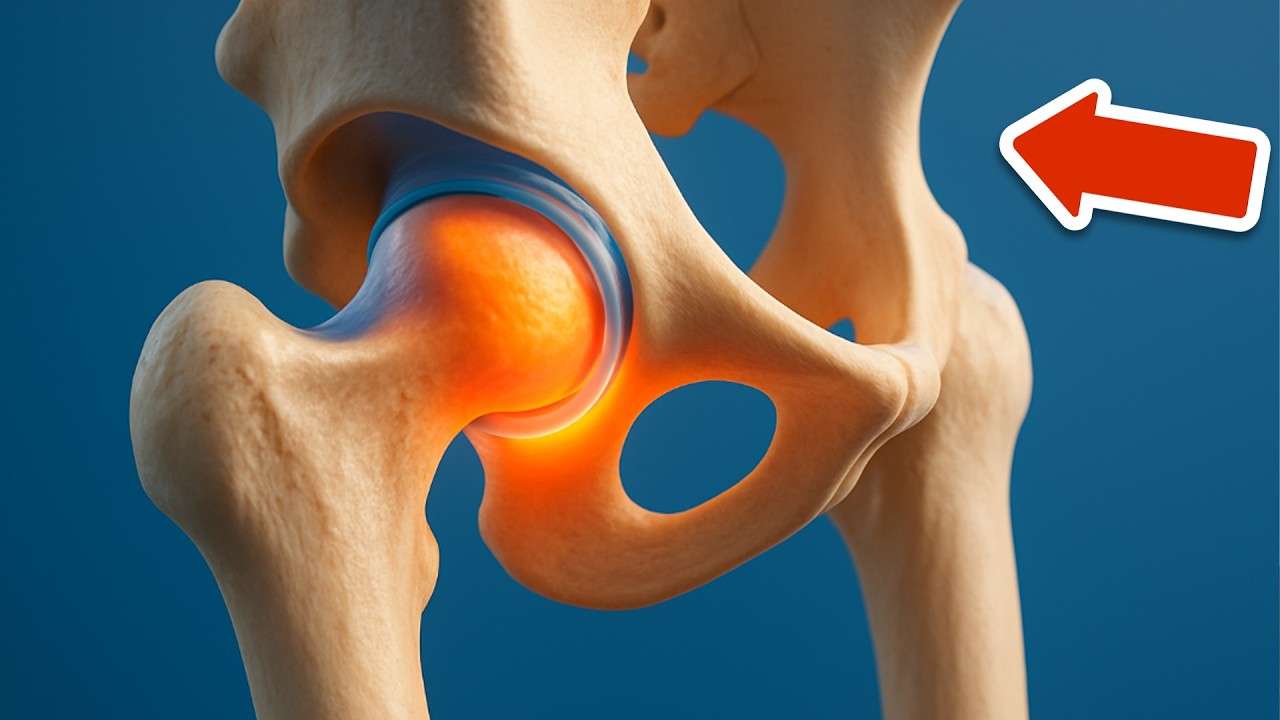
Discover 1 Essential Vitamin to Prevent Hip Surgery You Haven’t Heard Of!
Discover the Essential Vitamin to Prevent Hip Surgery
- Introduction
- Getting Started with Vitamin D
- Health Benefits of Vitamin D
- Dosage Guidelines for Vitamin D
- Common Mistakes to Avoid
- FAQ
- Conclusion
Introduction
Many individuals face the painful reality of joint issues or mobility challenges as they age, often leading to the prospect of hip surgery. While various treatments exist, one critical factor may be overlooked: your vitamin levels. Though commonly associated with bone health, one particular vitamin has been gaining attention for its role in maintaining healthy joints and preventing surgery. You might be surprised to learn about the significant impact it can have. Read on to discover how to support your joint health.
Getting Started with Vitamin D
Vitamin D is crucial for numerous bodily functions, particularly its role in calcium absorption and bone health. Here’s how to incorporate this essential vitamin into your routine effectively:
1. Understand Sources of Vitamin D
- Natural Sources: Aim to spend 10 to 30 minutes in the sun several times a week. Foods such as fatty fish (like salmon and mackerel), fortified dairy products, and egg yolks are excellent sources.
- Supplements: If sunlight exposure is limited, consider taking a vitamin D supplement. Check the label for a dosage of at least 600 IU for adults.
2. Assess Your Vitamin D Levels
Before adjusting your intake, consider getting a blood test to check your current vitamin D levels. This will help determine the best course of action.
Health Benefits of Vitamin D
Aside from its renowned ability to support bone health, vitamin D offers various benefits for your overall wellness:
1. Supports Joint Health
Vitamin D plays a significant role in reducing inflammation and improving joint function, which is essential for those at risk of conditions like arthritis.
2. Enhances Muscle Strength
Research suggests that adequate levels of vitamin D can improve muscle strength, contributing to better balance and reduced fall risk.
Dosage Guidelines for Vitamin D
Understanding the appropriate dosage is crucial for maximizing the benefits of vitamin D:
1. Recommended Daily Allowance
The recommended dietary allowance (RDA) for adults varies with age. Generally, it’s around 600 to 800 IU per day, but this can change based on individual health conditions or doctor recommendations.
2. Monitor and Adjust
After initiating vitamin D intake, it’s good practice to reassess your levels periodically. Adjust your dosage based on those results to maintain optimal health.
Common Mistakes to Avoid
As you work on incorporating vitamin D into your routine, be mindful of these common pitfalls:
- Inadequate Sun Exposure: Relying solely on supplements while avoiding sunlight can be counterproductive.
- Ignoring Symptoms: Don’t overlook signs of deficiency, such as fatigue or muscle weakness. Consult your healthcare provider.
- Over-supplementation: Taking excessively high doses of vitamin D can lead to toxicity. Stick to recommended guidelines.
FAQ
What foods are high in vitamin D? Foods like salmon, sardines, fortified milk, and egg yolks contain high amounts of vitamin D.
How can I tell if I need more vitamin D? Symptoms like fatigue, frequent infections, or muscle weakness may indicate a deficiency. A blood test is the most accurate way to check your levels.
Is it safe to take vitamin D supplements? For most individuals, vitamin D supplements are safe when taken in recommended dosages, but consult your physician before starting.
Conclusion
Vitamin D is essential for maintaining bone and joint health, potentially reducing your risk of hip surgery. Make an informed decision about your health by considering your vitamin D levels today. What strategies have you implemented to maintain your joint health?