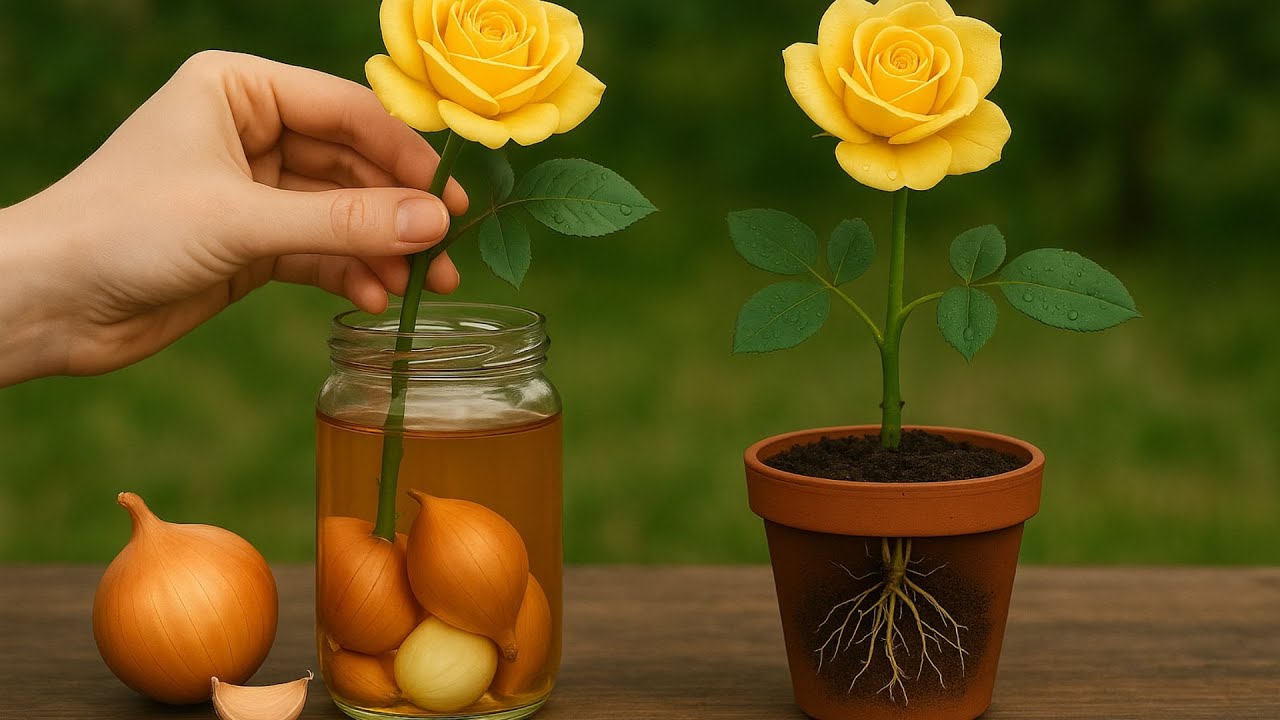
Discover 7 Secrets to Grow Hundreds of Roots from a Single Rose Cutting!
Discover the Secrets to Growing Roots from a Single Rose Cutting
- Introduction
- Understanding Rose Cuttings
- Essential Materials
- Step-by-Step Process for Rooting
- Common Mistakes to Avoid
- FAQ
- Conclusion
Introduction
Have you ever admired a beautiful rose bush and wished you could replicate its beauty in your own garden? Growing roses from cuttings can be a rewarding endeavor, yet it often feels daunting. Many gardeners struggle with rooting those precious cuttings, wondering if they’ll ever see those vibrant blossoms flourish. In this guide, you’ll uncover practical secrets that will help you transform a single rose cutting into a thriving plant. Let’s explore the essentials together!
Understanding Rose Cuttings
Before diving in, it’s important to understand why some cuttings thrive while others fail. Knowing how to select the right type of rose cutting sets the foundation for success.
Types of Rose Cuttings
When it comes to rooting, there are primarily three types of cuttings:
- Tip Cuttings: Taken from the new growth at the top of the stem.
- Stem Cuttings: Comprised of several inches of mature stem.
- Leaf-Bud Cuttings: Include a leaf and a bud for a higher chance of rooting.
Timing for Best Results
The time of year also impacts rooting success. Late spring to early summer provides the best climate for cuttings when plants are actively growing. Aim for days with moderate temperatures and humidity for optimal conditions.
Essential Materials
Gathering the right supplies ensures a smoother process as you work on your rose cuttings.
Required Supplies
- Clean Sharp Shears: For taking precise cuttings.
- Rooting Hormone: Promotes faster and stronger root development.
- Potting Soil: Choose a well-draining mix for healthy growth.
- Small Pots or Seed Trays: Perfect for nurturing individual cuttings.
- Plastic Bag or Dome: Helps maintain humidity around the cuttings.
Preparing Your Workspace
Ensure your workspace is clean and organized. Having all your materials ready will make the entire process smoother.
Step-by-Step Process for Rooting
Now that you have your materials, let’s dive into the process of rooting your rose cuttings.
Step 1: Take Your Cuttings
Select healthy growth from your rose bush. Always cut below a leaf node where roots can form. Each cutting should be about 6 inches long.
Step 2: Prepare the Cuttings
Remove any excess leaves on the bottom half to help the cutting focus on rooting. Dip the cut end into rooting hormone.
Step 3: Plant the Cuttings
- Fill your pots with a well-draining potting soil.
- Create small holes for your cuttings.
- Insert the cuttings into the soil and firmly press around them to eliminate air pockets.
Step 4: Create a Humid Environment
Cover the pots with a plastic bag or dome to retain moisture. Ensure there’s ventilation to prevent mold.
Step 5: Care for Your Cuttings
Place them in a warm, bright location away from direct sunlight. Check soil moisture regularly; it should be damp but not saturated.
Common Mistakes to Avoid
Even seasoned gardeners can make errors that hinder success. Awareness of these mistakes can save time and effort.
1. Choosing Poor Cuttings
Using unhealthy or diseased cuttings diminishes the chances of rooting. Always select vigorous stems from healthy plants.
2. Overwatering
This is a common mistake that can lead to rot. Ensure the soil is moist but well-drained.
3. Neglecting Humidity
Failing to maintain humidity around your cuttings can dry them out. Use a plastic cover to provide a stable environment.
4. Lack of Patience
Many gardeners give up too soon. Roots may take a few weeks to develop; consistent care is crucial.
FAQ
How long do rose cuttings take to root?
Typically, rose cuttings can take anywhere from 2 to 8 weeks to develop roots, depending on the conditions and type of cutting.
Can I use regular garden soil for rooting?
While you can use garden soil, a well-draining potting mix is recommended as it improves drainage and promotes healthy root growth.
Should I fertilize my cuttings?
It’s best to avoid fertilizing until your cuttings have established roots. This allows them to focus on developing instead of nutrient uptake.
Conclusion
Rooting rose cuttings can be a fulfilling process when you understand the best practices. By selecting the right materials and following a detailed approach, you can increase your chances of success significantly. What has been your experience with rooting plants? Feel free to share your tips or questions in the comments below!