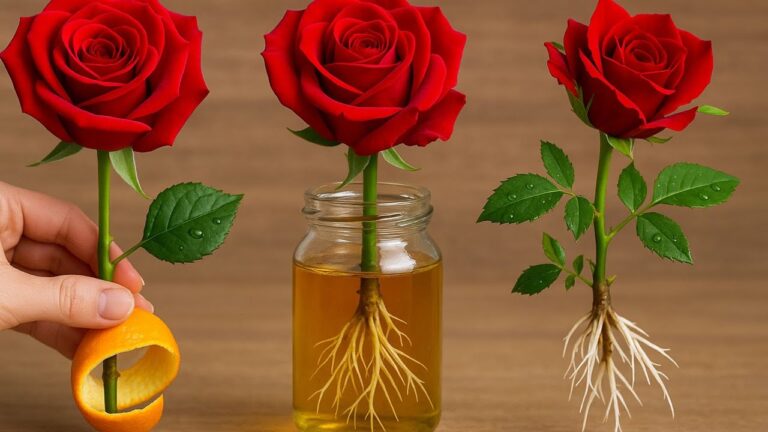
Transform a Rose Stem in 7 Days: Rooting Secrets for Beautiful Blooms!
Transform Your Rose Stem in 7 Days: Rooting Secrets for Beautiful Blooms
- Introduction
- Choosing the Ideal Stems
- The Rooting Process
- Care Tips for Your Rose Cuttings
- Common Mistakes to Avoid
- FAQ
- Conclusion
Introduction
Picture this: you have stunning roses in your garden, and you want to bring some of that beauty indoors or share them with friends. The thought of propagating your favorite blooms is exciting, yet the journey of transforming a simple rose stem into a flourishing plant can seem daunting. Whether you’re a seasoned gardener or a newcomer looking to enhance your green thumb, understanding the proper rooting techniques can make all the difference. Let’s explore how you can successfully root your rose stems and watch them thrive.
Choosing the Ideal Stems
The first step in your rooting adventure is selecting the perfect stem. Not all stems are created equal, and knowing what to look for can greatly improve your chances of success. Here’s how to identify the ideal candidates:
1. Look for Healthy Stems
- Check for green, firm stems rather than woody, brown ones.
- Choose stems that are at least 6 inches long and have several leaf nodes.
- Avoid stems with signs of disease or insect damage.
2. Time Your Cuts
Timing can play a crucial role in rooting. Early spring to early summer is generally the best time to take cuttings, as the plants are actively growing, which boosts their rooting potential.
3. Select the Right Variety
Certain rose varieties root better than others. Consider using climbing or hybrid tea roses, as they tend to respond well to propagation techniques.
The Rooting Process
Once you have your ideal stem selected, it’s time to move on to the rooting process. Here’s a detailed guide to help you through the steps:
1. Prepare Your Cutting
- Make a clean cut just below a node, which is where leaves emerge.
- Remove the lower leaves, leaving only a couple at the top to reduce moisture loss.
- Dip the cut end into rooting hormone to help stimulate root growth.
2. Planting Your Cutting
Now that your cutting is prepared, it’s time to plant:
- Choose a pot with good drainage and fill it with a mix of potting soil and sand for aeration.
- Make a hole in the soil with a pencil or your finger and place the cutting in, ensuring the node is buried.
- Gently press the soil around the cutting to stabilize it.
3. Provide the Right Environment
Your cutting will thrive in a warm, humid environment. Here’s how to create the perfect conditions:
- Cover the pot with a plastic bag to maintain humidity, but make sure it doesn’t touch the cutting.
- Place it in a warm area with indirect sunlight.
Care Tips for Your Rose Cuttings
To ensure your new plants flourish, follow these care tips:
1. Watering
Keep the soil moist but not soggy. Overwatering can lead to rot, while underwatering can hinder root development.
2. Fertilizing
After a few weeks, when roots begin to form, you can start fertilizing with a diluted liquid fertilizer to encourage further growth.
3. Gradual Acclimatization
Once your cuttings begin to establish roots, gradually remove the plastic covering to help them acclimatize to normal humidity levels.
Common Mistakes to Avoid
- Using diseased or damaged stems may lead to poor results.
- Failing to provide adequate humidity can dry out the cutting.
- Neglecting to monitor soil moisture can result in root rot, especially in the early stages.
- Over-fertilizing before roots have formed can stress the plant.
- Planting too deeply or too shallow can affect the cutting’s stability.
FAQ
How long does it take for rose stems to root? Typically, you can expect roots to develop within 4 to 6 weeks under the right conditions.
Can I root rose cuttings in water? Yes, some gardeners successfully root cuttings in water, although soil is generally more effective for fostering lush growth.
Should I keep my cuttings in sunlight? Indirect sunlight is best; direct sun can scorch the cutting and hinder root development.
Conclusion
Successfully rooting your rose stems requires careful selection, a proper process, and attentive care. By following these guidelines, you can enjoy beautiful blooms in your garden or home. What rose varieties are you excited to propagate? Share your thoughts in the comments below!