
Grow 999 Rose Roots Overnight with This Simple Water Trick!
Grow Rose Roots Overnight with This Simple Water Trick
- Introduction
- Understanding the Root Growth Process
- Materials Needed
- Step-by-Step Guide
- Common Mistakes to Avoid
- FAQ
Introduction
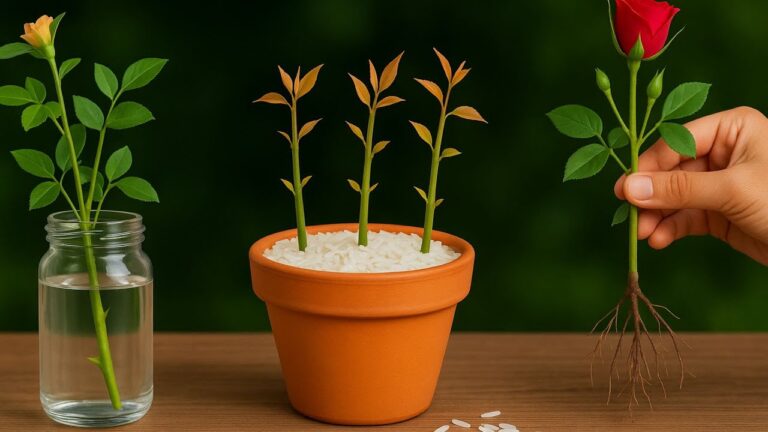
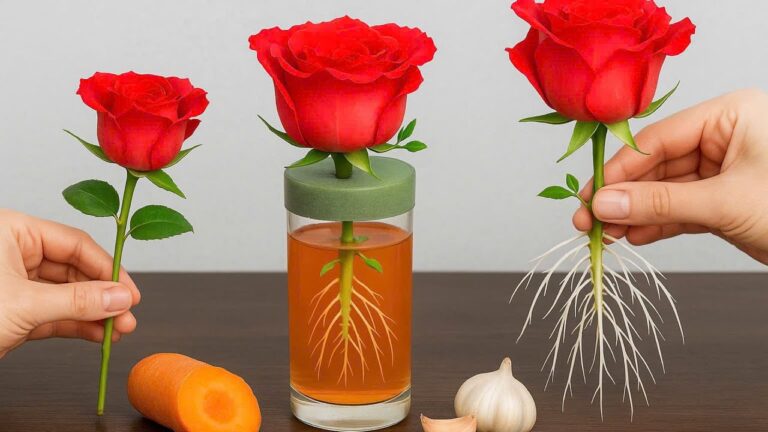
Have you ever considered propagating your roses but felt daunted by the complexities involved? Many gardeners are hesitant to try, fearing that they might not achieve the desired results. The good news is that with a simple water trick, you can encourage your rose cuttings to develop strong roots more quickly than you might expect. Continue reading to discover the process and empower yourself to create your very own rose garden.
Understanding the Root Growth Process
Before diving into the practical steps, it’s beneficial to understand how rooting rose cuttings works. When you take a cutting from a rose bush, it must develop roots to grow into a healthy plant. Here are some key aspects of this process:
How Cuttings Develop Roots
Rose cuttings require specific conditions to stimulate root growth. Roots begin to form when the cutting is placed in an environment that supports hydration and nutrient absorption.
Importance of Water for Rooting
Water plays a vital role in helping the cutting sustain its health while it develops roots. Keeping the cutting submerged in water can encourage quicker root development and adaptation to its new environment.
Materials Needed
To successfully propagate your roses using this method, gather the following materials:
- Fresh rose cuttings from a healthy plant, ideally 6-8 inches long.
- A clean glass or vase to hold the cuttings.
- Water, ideally room temperature.
- Optional: rooting hormone to enhance the rooting process.
Step-by-Step Guide
Follow these straightforward steps to propagate your rose cuttings effectively:
- Prepare your rose cuttings by cutting them at a 45-degree angle just below a leaf node.
- Remove the lower leaves from the cuttings, leaving just a couple of leaves at the top.
- If using, dip the ends of the cuttings in rooting hormone to boost root formation.
- Fill your glass or vase with clean water, enough to fully submerge the cut ends of the cuttings.
- Place the cuttings in the water, ensuring that no leaves are submerged to prevent rot.
- Position your setup in a bright area away from direct sunlight, as harsh light may damage the cuttings.
- Change the water every few days to keep it fresh and oxygenated.
- Observe as roots begin to form, typically within a week or two.
Common Mistakes to Avoid
Even with the best intentions, mistakes can happen during the propagation process. Here are some common pitfalls to be aware of:
- Using cuttings from unhealthy plants, which may not root properly.
- Overcrowding cuttings in one container, leading to competition for nutrients.
- Allowing leaves to sit in water, which can cause rot and negatively affect the cuttings.
- Not changing the water regularly, risking stagnation and harmful bacteria growth.
- Exposing cuttings to direct sunlight, which can scorch them before they develop roots.
FAQ
How long does it take for rose cuttings to root? Rose cuttings typically take one to three weeks to develop roots, depending on the variety and conditions.
Can I use any kind of rose? Most rose varieties can be propagated successfully, but robust, disease-free plants yield the best results.
What should I do once the roots form? Once roots are about 2 inches long, you can pot the cuttings in soil to continue their growth.
Conclusion
By using this simple water trick, you can nurture rose cuttings into thriving plants ready for your garden. Start your propagation journey today and share your experiences in the comments below.