7 Ways This Unique Cabbage Recipe Will Transform Your Dinner Tonight!
Transform Your Dinner with This Unique Cabbage Recipe
- Introduction
- Health Benefits of Cabbage
- Ingredients You’ll Need
- Preparation Steps
- Presentation Tips
- Common Mistakes to Avoid
- FAQ
Introduction
Have you ever found yourself staring at a head of cabbage in your fridge, unsure of how to turn it into a meal? Perhaps you’ve tried the same dishes repeatedly, and your family seems less than excited at dinner time. If you want to elevate your dining experience and discover new flavors, this unique cabbage recipe is just what you need. Stick with me to uncover the delightful details that will bring this humble vegetable to life!
Health Benefits of Cabbage
Cabbage is not only a versatile ingredient, but it also offers impressive health benefits that can enhance your meals:
- Rich in Nutrients: Cabbage is packed with vitamins C and K, and it offers essential minerals like potassium and manganese.
- Supports Digestion: The fiber content in cabbage promotes healthy digestion and helps maintain a balanced gut microbiome.
- Low in Calories: This makes cabbage an excellent choice for those looking to maintain or lose weight without sacrificing flavor.
Creative Ways to Enjoy Cabbage
Beyond simple salads, here are other ways to incorporate cabbage into your meals:
- Stir-fried with garlic and ginger
- Fermented as sauerkraut for added probiotics
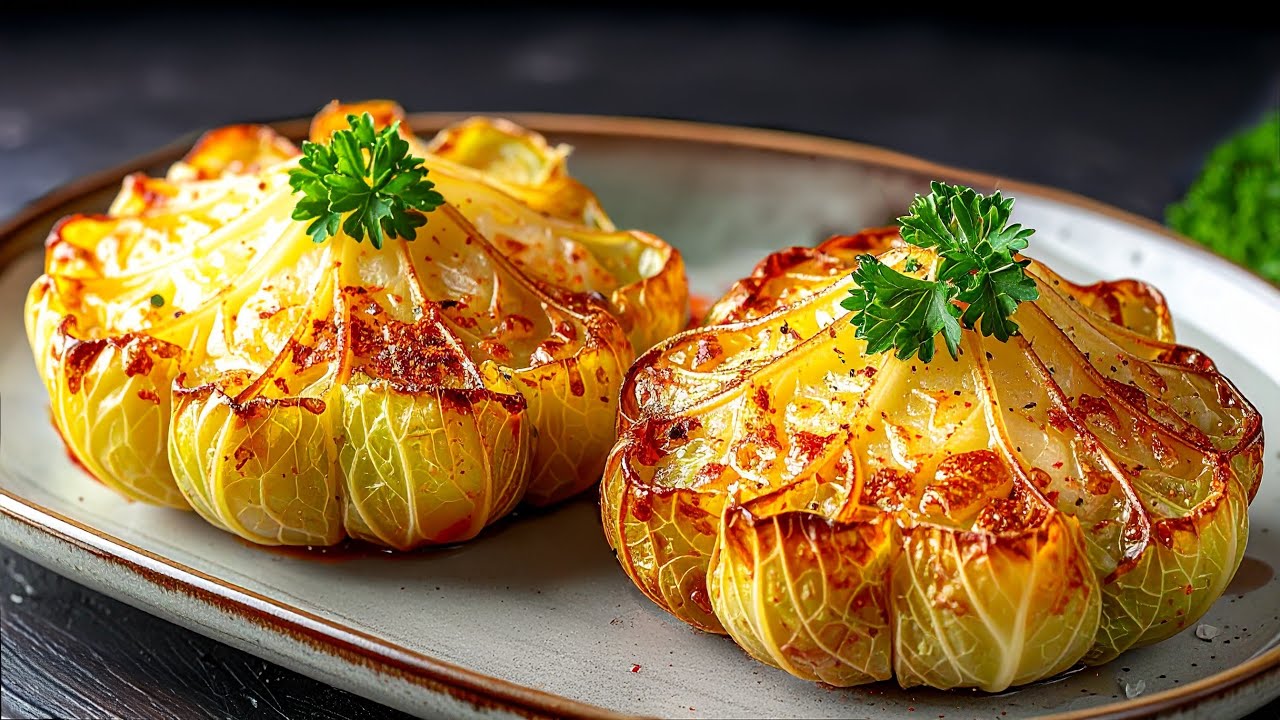
- Roasted with olive oil and herbs for a crispy treat
Ingredients You’ll Need
Gathering the right ingredients is the first step towards cooking your unique cabbage dish. Here’s what you’ll need:
- 1 head of cabbage (green or purple, depending on your preference)
- 2 tablespoons of olive oil
- 1 onion, finely sliced
- 3 cloves of garlic, minced
- 1 teaspoon of salt
- 1 teaspoon of pepper
- Optional: spices such as cumin or coriander for additional flavor
- Optional: toppings like feta cheese or fresh herbs
Choosing the Right Cabbage
When selecting cabbage, look for heads that are firm and heavy for their size. Avoid any that have wilted or discolored leaves. Freshness will greatly enhance the taste of your dish!
Preparation Steps
Now that you have your ingredients ready, let’s dive into the preparation:
- Prepare the Cabbage: Remove the outer leaves and cut the cabbage into quarters. Remove the core and slice it thinly.
- Cook the Onions: In a large skillet, heat the olive oil over medium heat. Add the sliced onions and cook until they become translucent, about 5 minutes.
- Add the Cabbage: Stir in the sliced cabbage and garlic, season with salt and pepper, and cook until the cabbage is tender, about 10 minutes.
- Season and Serve: Add any optional spices to taste. Transfer to a serving dish and top with feta cheese or herbs if desired.
Cooking Tips for Perfection
- Don’t rush the cooking process; allowing the cabbage to caramelize adds a depth of flavor.
- Feel free to mix in other vegetables like bell peppers or carrots for a colorful medley.
Presentation Tips
Your dish looks as good as it tastes! Here are some ways to present your cabbage dish beautifully:
- Use Colorful Plates: Bright plates contrast nicely with the rich hues of cooked cabbage.
- Add Fresh Herbs: Sprinkle fresh parsley or dill on top for a pop of color and freshness.
- Layer for Height: Stack the cabbage on a plate for an appealing presentation that invites your guests to dig in.
Common Mistakes to Avoid
When preparing your cabbage dish, avoid these common pitfalls:
- Overcooking the cabbage can result in a mushy texture. Aim for tenderness while retaining some crunch.
- Skimping on seasoning can lead to blandness. Be generous with your spices for a flavorful experience.
- Using older, wilted cabbage can negatively impact both flavor and texture. Always choose fresh vegetables.
- Not letting the dish rest for a few minutes after cooking can lead to uneven flavors. Give it time to settle.
FAQ
What is the best way to store leftover cabbage? Store leftover cooked cabbage in an airtight container in the refrigerator for up to three days.
Can you freeze cooked cabbage? Yes, cooked cabbage can be frozen, but it’s best to use it within two months for optimal flavor.
How can I incorporate cabbage into other meals? Cabbage works well in soups, stews, and even as a wrap substitute for tortillas.
Conclusion
This unique cabbage recipe can transform a simple vegetable into a delightful meal that your family will love. Remember to choose fresh ingredients and watch your cooking times for the best results. What is your favorite way to prepare cabbage? Share in the comments below!