5 Surprising Facts About Eggs and Cholesterol You Need to Know!
5 Surprising Facts About Eggs and Cholesterol You Need to Know
- Introduction
- The Cholesterol Fact
- Healthy Fats vs. Unhealthy Fats
- How Eggs Fit into Your Diet
- Common Mistakes
- FAQ
- Conclusion
Introduction
Many people worry about cholesterol levels and often think that foods high in cholesterol, like eggs, should be avoided. You might have heard conflicting opinions on whether eggs contribute to heart health or if they raise your LDL levels. This confusion can lead to stress every time you make breakfast or plan a meal. It’s essential to clarify some misconceptions surrounding eggs and cholesterol. Let’s explore some surprising facts that can help you make informed decisions about including eggs in your diet.
The Cholesterol Fact
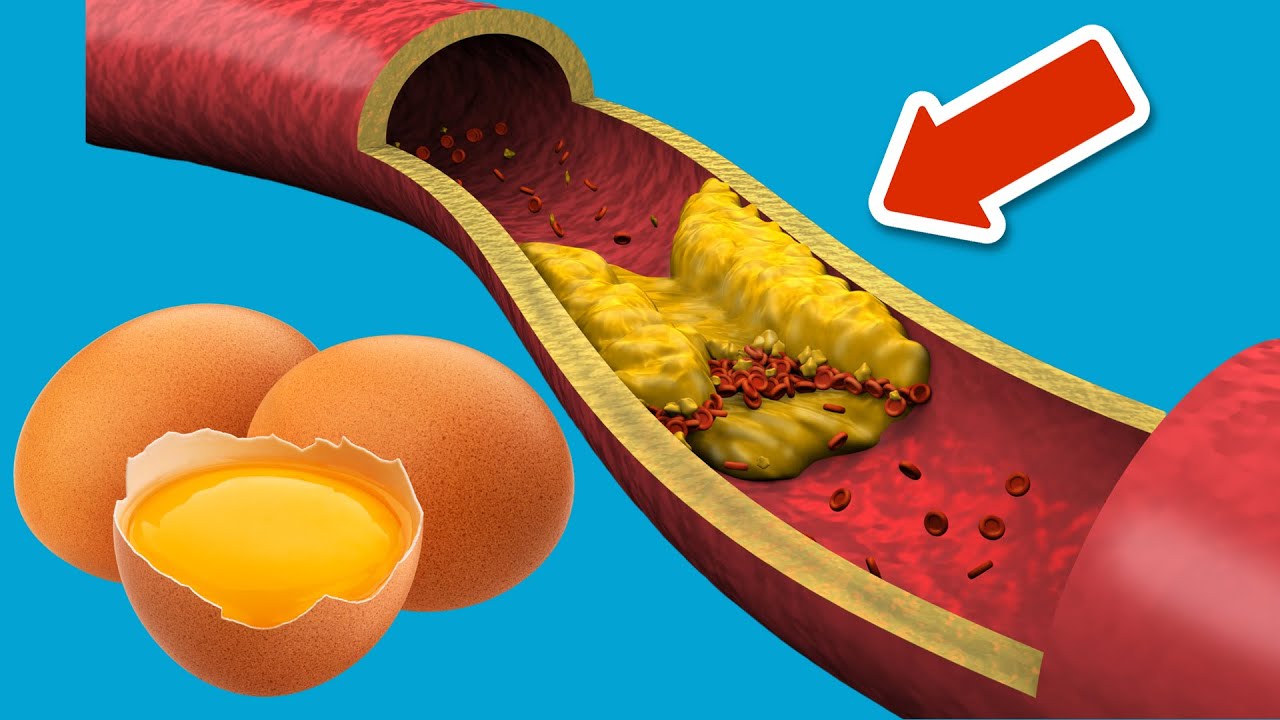
Eggs are often labeled as bad due to their cholesterol content. However, most research indicates that dietary cholesterol has a minimal impact on blood cholesterol levels for most people. Here are some important points:
1. Dietary Cholesterol vs. Blood Cholesterol
- Understanding that dietary cholesterol affects each person differently can help you manage your meals better.
- Many studies show that only a small percentage of the population are “hyper-responders,” meaning their cholesterol levels significantly rise in reaction to dietary cholesterol.
2. Eggs vs. Saturated Fats
While eggs do contain cholesterol, they are low in saturated fats. Consuming more saturated fats can lead to increased cholesterol levels. Thus, eggs, in moderation, may be a healthier option than foods rich in saturated fats.
Healthy Fats vs. Unhealthy Fats
Understanding the difference between healthy and unhealthy fats is crucial when discussing cholesterol. Not all fats are created equal.
1. Omega-3 Fatty Acids
Eggs can be a great source of omega-3 fatty acids, especially if you choose eggs enriched with these healthy fats. Omega-3s can help lower overall cholesterol levels and reduce inflammation.
2. Recommended Cooking Methods
- Opt for boiling or poaching your eggs over frying them.
- Using healthier oils, such as olive oil, can further enhance their nutritional value.
How Eggs Fit into Your Diet
Including eggs in your meals can be both delicious and nutritious. Here’s how you can do it:
1. Portion Control
Eating 1-2 eggs a day for a healthy adult is within the recommended limits. You can adjust this according to your dietary needs, especially if you have pre-existing conditions.
2. Versatile Meal Options
- Incorporate eggs into salads for extra protein.
- Add them to smoothies for creaminess without the added sugar.
Common Mistakes
It’s easy to fall into traps when it comes to eggs and cholesterol. Here are some common mistakes people make:
- Believing that cutting out all dietary cholesterol will significantly lower blood cholesterol levels.
- Assuming all eggs are created equal; choose organic or omega-3 enriched eggs for better nutrition.
- Overindulging in processed foods while limiting egg consumption.
FAQ
Can I eat eggs every day without raising cholesterol levels? Yes, many studies suggest that consuming up to one egg per day doesn’t have a significant impact on blood cholesterol for most people.
Are there any health benefits to eating eggs? Eggs are excellent sources of protein, vitamins, and healthy fats, providing numerous health benefits including improved eyesight and brain function.
What is better: whole eggs or egg whites? Whole eggs offer more nutrients, including vitamins found in the yolk, while egg whites are almost pure protein. It depends on your dietary goals.
Conclusion
Understanding the facts about eggs and cholesterol can help you make informed dietary choices. Eggs can fit into a balanced diet when consumed in moderation and paired with other nutrient-rich foods. What’s your favorite way to enjoy eggs? Share your thoughts in the comments!