7 Essential Changes Your Body Goes Through During Menopause
Understanding the 7 Essential Changes Your Body Goes Through During Menopause
Introduction
As you navigate through life’s transitions, one phase that can bring about several unexpected changes is menopause. You may find your body reacting differently to stress, sleep, and even everyday activities. These shifts can sometimes feel overwhelming, leaving you pondering what’s happening to your body. Understanding these changes can empower you to embrace this natural process with confidence. Continue reading to explore the essential changes that occur during menopause.
Physical Changes
During menopause, physical changes can become quite prominent. Your body undergoes shifts in hormonal balances which significantly impact various aspects of your health.
1. Menstrual Cycle Changes
Your menstrual cycle will start to become irregular. It’s common to experience lighter or heavier periods as you approach menopause.
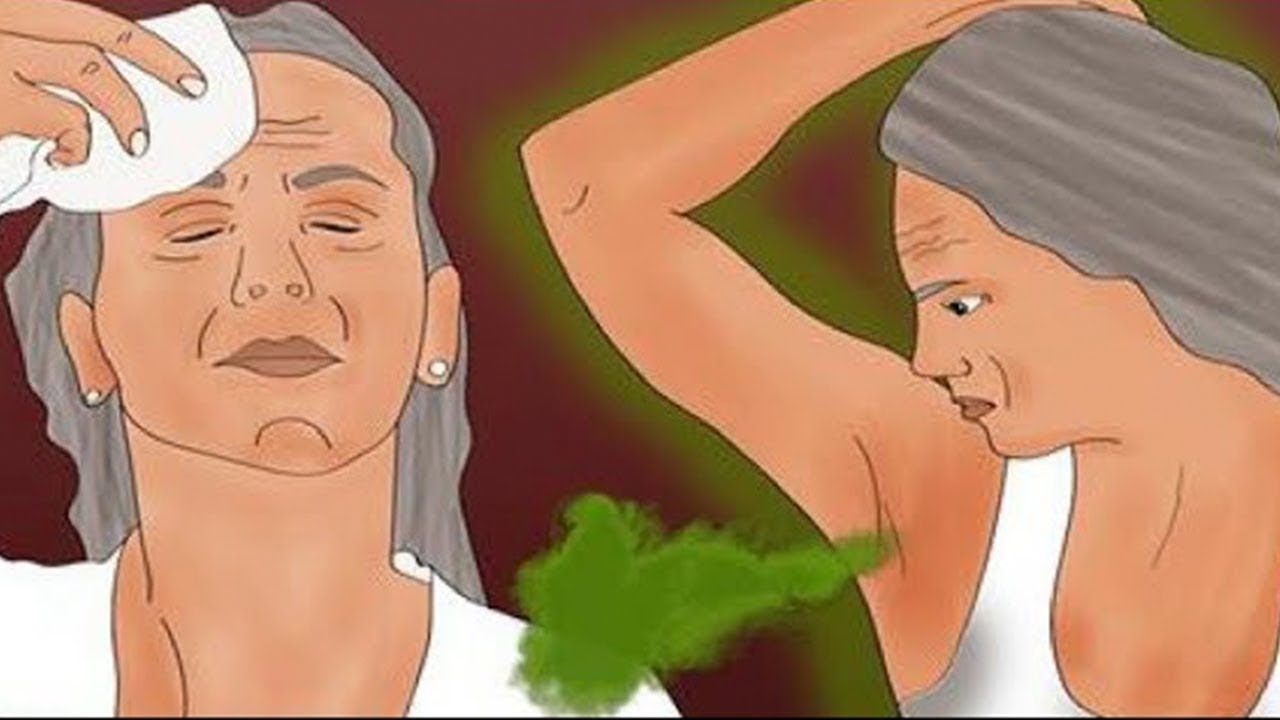
2. Hot Flashes and Night Sweats
Many women report experiencing hot flashes and night sweats due to lowered estrogen levels. These can range from mildly annoying to significantly disruptive.
3. Changes in Skin and Hair
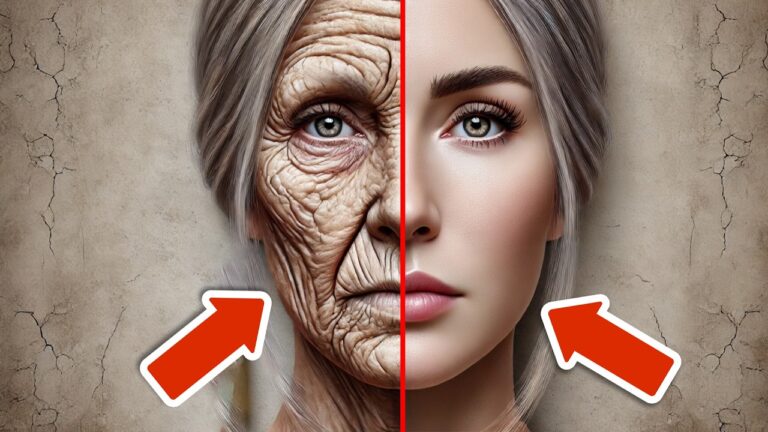
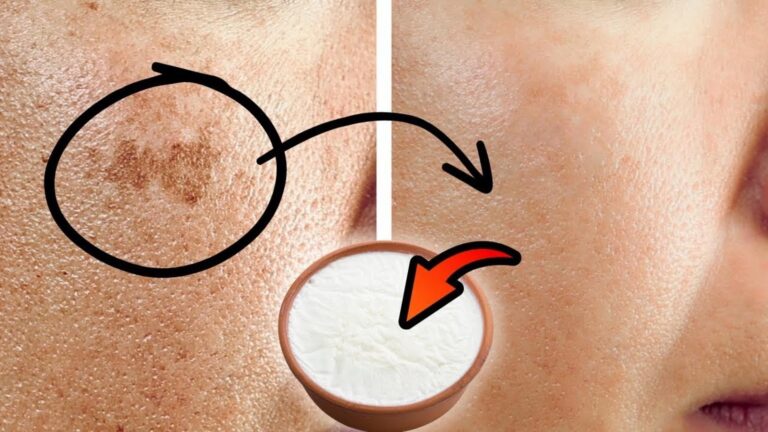
You may notice that your skin becomes drier and loses elasticity. Hair might thin or become brittle. Hydration and a solid skincare routine can help maintain health during this time.
Emotional Changes
Emotional fluctuations can also accompany menopause, affecting your overall wellbeing.
1. Mood Swings
Hormonal changes can lead to mood swings. It’s completely normal to feel a mix of emotions, from joy to irritability.
2. Increased Anxiety or Depression
Some women report feeling increased levels of anxiety or even depression. Seeking support from professionals or friends can be beneficial.
3. Sleep Disruptions
Alongside night sweats, you may experience trouble falling asleep or maintaining restful sleep. Establishing a calming bedtime routine can promote better sleep quality.
Metabolism Changes
Your metabolism may slow down during menopause, affecting your energy levels and weight.
1. Weight Gain Tendency
You might notice an increase in weight, particularly around your abdomen. This is common, and making dietary adjustments can help manage your weight.
2. Changes in Appetite
Your appetite may fluctuate, leading to cravings for certain foods. Paying attention to your nutrition can help maintain your health.
3. Loss of Muscle Mass
It’s also common to experience a loss of muscle mass. Incorporating strength training into your routine can counteract this change.
Common Mistakes
As with any significant life transition, there are some common missteps women make during menopause.
1. Neglecting Nutrition
Ignoring the importance of a balanced diet can worsen symptoms. Focus on incorporating plenty of fruits, vegetables, and whole grains into your meals.
2. Skipping Physical Activity
Many tend to reduce their activity levels, but staying active is crucial. Regular exercise can boost mood and improve physical health.
3. Disregarding Emotional Health
It’s easy to overlook emotional wellbeing. Engage with supportive friends or consider professional help if experiencing significant emotional challenges.
FAQ
What are the common symptoms of menopause?
Common symptoms include hot flashes, insomnia, mood changes, and irregular periods.
How long does menopause last?
Menopause can last several years, but symptoms vary widely among women. Most experience changes for about 4 to 5 years.
Can lifestyle changes help manage menopause symptoms?
Yes, maintaining a balanced diet, regular exercise, and managing stress can significantly help manage symptoms.
Conclusion
Understanding the changes your body goes through during menopause can help you navigate this period more effectively. By making informed lifestyle adjustments, you can embrace this natural transition. What changes have you noticed, and how are you adapting? Share your thoughts in the comments!