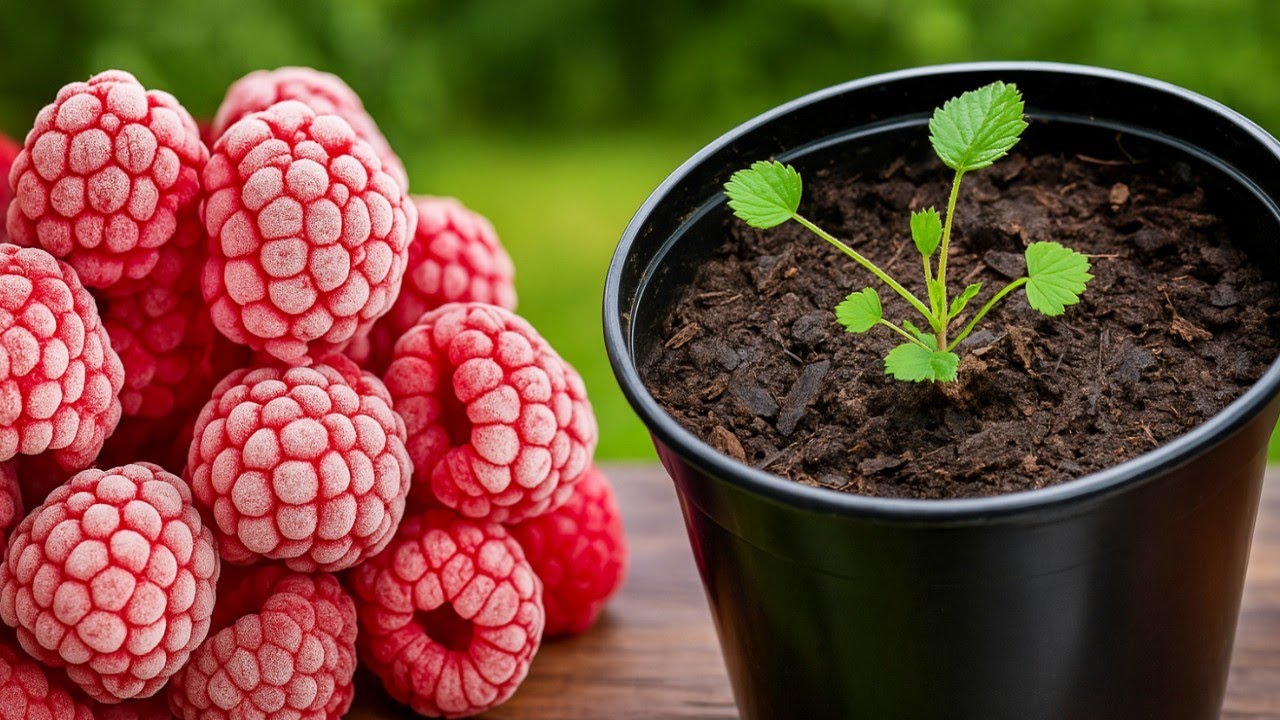
Grow Raspberries from Frozen Fruit: 5 Easy Steps for Quick Success!
How to Grow Raspberries from Frozen Fruit: A Simple Guide
- Introduction
- The Process of Growing Raspberries
- Tips for Success in Growing Raspberries
- Common Mistakes to Avoid
- FAQ
- Conclusion
Introduction
Have you ever considered using frozen fruit to grow a vibrant raspberry bush in your garden? You might have an abundance of frozen raspberries sitting in your freezer, and instead of letting them go to waste, there’s a great chance to transform them into luscious plants. The process may seem unconventional, but with the right guidance, you can enjoy fresh raspberries right from your backyard. Continue reading to discover how you can accomplish this rewarding feat.
The Process of Growing Raspberries
Growing raspberries from frozen fruit can be an exciting gardening project. Below are the steps you’ll need to complete this process successfully.
1. Choose Quality Frozen Raspberries
Start with good-quality frozen raspberries. Avoid those with added sugars or preservatives. Look for organic options if possible, as they are likely to be more resilient.
2. Preparing the Seeds
- Thaw the frozen raspberries by placing them in a bowl at room temperature.
- Gently mash the raspberries to release the seeds. This action helps separate the seeds from the fruit pulp.
- Rinse the mixture with water to wash away the pulp, leaving just the seeds.
- Dry the seeds on a paper towel for a few hours before planting.
3. Prepare Soil for Planting
Raspberries thrive in well-draining soil with good organic content. Consider the following:
- Use a mixture of garden soil and compost for enriched nutrients.
- Ensure the pH is around 5.5 to 6.5 for optimal growth.
4. Planting the Seeds
- Fill seed trays or small pots with the prepared soil mixture.
- Sprinkle the dried seeds on top of the soil, ensuring they are not overcrowded.
- Lightly cover the seeds with a thin layer of soil.
- Water the soil gently to moisten it without waterlogging.
5. Caring for Your Plants
Once planted, provide the right conditions for your raspberry seeds to germinate:
- Keep them in a warm location with plenty of indirect sunlight.
- Water regularly but avoid overwatering; the topsoil should remain moist.
- After a few weeks, you should see the seeds begin to sprout.
Tips for Success in Growing Raspberries
To ensure your raspberry plants thrive, keep the following tips in mind:
Follow Ideal Planting Seasons
Raspberries do best when planted in early spring or fall. This timing allows them to establish roots before the stress of summer heat or winter frost.
Provide Support for Growth
As your raspberry plants grow, consider providing trellis support. This can help the plants produce better fruit and make harvesting easier.
Regular Pruning
After your plants are established, regular pruning helps to promote healthier growth and optimal fruit production. Remove any dead or weak canes annually.
Common Mistakes to Avoid
When growing raspberries from frozen fruit, be mindful of these common pitfalls:
- Overwatering is a frequent issue; always check soil moisture before adding more water.
- Planting seeds too deep can hinder germination; a light cover of soil is sufficient.
- Neglecting sunlight requirements may lead to weak plants; location is key.
FAQ
Can I use any frozen fruit for planting? Not all frozen fruits are suitable, but raspberries are specifically known to germinate well.
How long does it take for raspberry seeds to germinate? Expect to see signs of growth within 2 to 4 weeks under ideal conditions.
Do I need to fertilize my raspberry plants? Once they are established, adding organic fertilizer can enhance their growth and fruit yield.
Conclusion
Growing raspberries from frozen fruit is a unique and rewarding gardening method that opens up new possibilities for your garden. With careful attention and the right techniques, you can enjoy abundant, homegrown raspberries. Have you ever experimented with growing plants from unusual methods? Share your experiences in the comments below!