17 Essential Gardening Tasks to Tackle Before Winter Arrives
17 Essential Gardening Tasks to Tackle Before Winter Arrives
Preparing your garden for winter can be a gratifying experience. While saying goodbye to the vibrant colors and lush greenery of summer can be bittersweet, the satisfaction of tidying up and getting ready for the next growth season makes it all worthwhile. Plus, this is a great opportunity to plan ahead!
Understanding Frost Dates
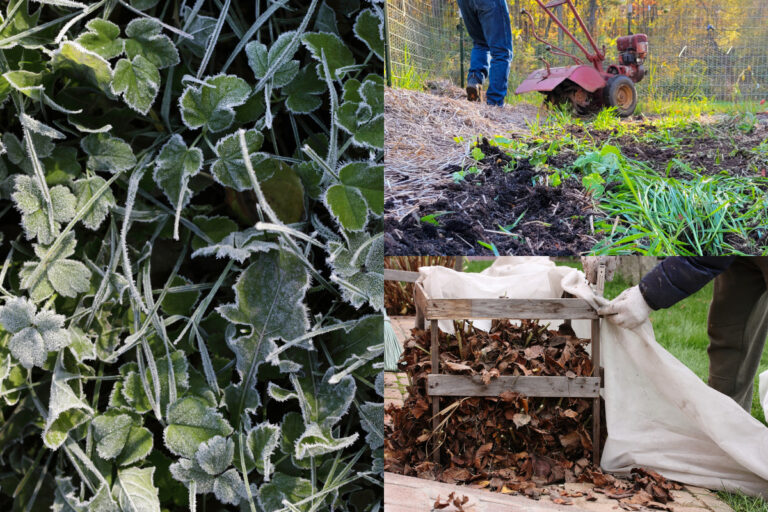
Your area’s first frost date is crucial in determining when to complete these tasks. Even a light frost, with temperatures below 30°F, can harm tender plants and flowers. It’s essential to know your local frost dates, which can vary due to geography and change yearly. Stay informed through weather reports and your area’s growing zone.
Keep in mind that frost damage can occur even before frost is visibly present, especially as plants close to the ground may remain shaded and cooler throughout the day.
Vegetable Garden Tasks
1. Harvest Your Tender Vegetables
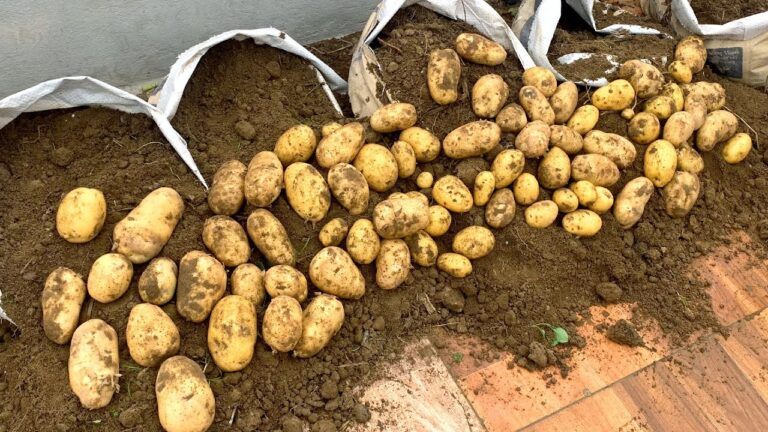
Before frost arrives, gather any delicate vegetables that are still growing. This includes:
- Tomatoes
- Peppers
- Peas
- Beans
- Cucumbers
- Eggplants
- Winter squash
2. Cover or Move Tender Herbs
While you don’t need to bring all your herbs indoors immediately, offering them some protection can extend their outdoor growing period. Hardy herbs like chives, mint, and thyme can face frost, but delicate varieties like cilantro, basil, and parsley should be harvested or moved inside. Consider using cold frames or cloches for added protection.
3. Plant Hardier Vegetables
Now is the time to plant winter vegetables like garlic, Swiss chard, broad beans, onions, and cabbages. Planting them a few weeks before the first frost ensures they establish themselves well before the cold sets in.
Flower Garden Tasks
4. Deadhead Fall-Flowering Plants
Remove spent blooms to keep your plants healthy and prevent energy from going into seed production. However, stop deadheading a few weeks before frost to allow for natural dormancy.
5. Collect Flower Seeds
As you deadhead, gather seeds from your flowers for next season. Crumble the flower heads in your palm to extract the seeds, best done on a dry day to prevent rot during storage.
6. Protect Delicate Potted Flowers
Bring delicate potted flowers like dahlias and geraniums indoors or cover them with cold frames. By moving them inside, you may even enjoy more blooms throughout winter.
7. Plant Winter-Friendly Flowers
If you want some color in your winter garden, consider planting hardy flowers like crocuses, cyclamen, and winter aconite. The damp soil from fall still allows roots to settle in effectively.
General Garden Tasks
8. Tidy Up Growing Areas
Utilize cooler weather to clean up your garden. Wash empty pots, sweep patios, and clear pathways of fallen leaves to maintain a tidy space.
9. Mow the Lawn
Give your lawn a final mowing on a dry day, followed by forking the ground to enhance aeration and drainage as the rain arrives.
10. Tidy Up Borders
Complete weeding now to make spring easier. Remove dead branches and weeds, and consider mulching compost to prepare the soil for new growth.
11. Clear Fallen Leaves
Rake up fallen leaves to keep areas tidy and prevent overgrowth. While some can serve as natural mulch, overly thick layers may suffocate your lawn. Compost or create leaf mold from collected leaves.
12. Dig Over Empty Beds
Before frost, dig over your empty garden beds to improve soil structure. Remove debris and weeds, and consider adding mulch for better spring planting conditions.
13. Clean Out Ponds
Regularly remove organic matter from ponds to maintain a healthy environment. Aim to keep at least half the surface clear of debris.
14. Bring Terracotta Pots Inside
Since terracotta absorbs water, bringing these pots inside prevents cracking from freezing and thawing. If space is limited, wrap them in bubble wrap and straw, placing them near a building for warmth.
15. Store Your Hoses
To protect your garden hose from winter damage, disconnect it from the spigot, drain all water, and store it neatly. A wall-mounted rack or a sealed bin works great for winter storage.
16. Set Up Bird Feeders
Help birds by hanging feeders filled with nuts, berries, and fat balls. Providing a water source, such as a bird bath, can also attract birds, especially when protected from freezing.
17. Check Your Garden Shed
Inspect your garden shed for roof leaks, rust, and deteriorating wood. A fresh coat of protective wood treatment can keep your tools safe over winter. Take a moment to clean and sharpen your tools during this check, making them ready for spring.
Conclusion
Winterizing your garden doesn’t have to be overwhelming. By tackling these essential tasks, you not only ensure the health and beauty of your garden come spring but also enjoy the satisfaction of preparing for the changing seasons. Embrace the opportunity to create a more beautiful and thriving garden in the months ahead!