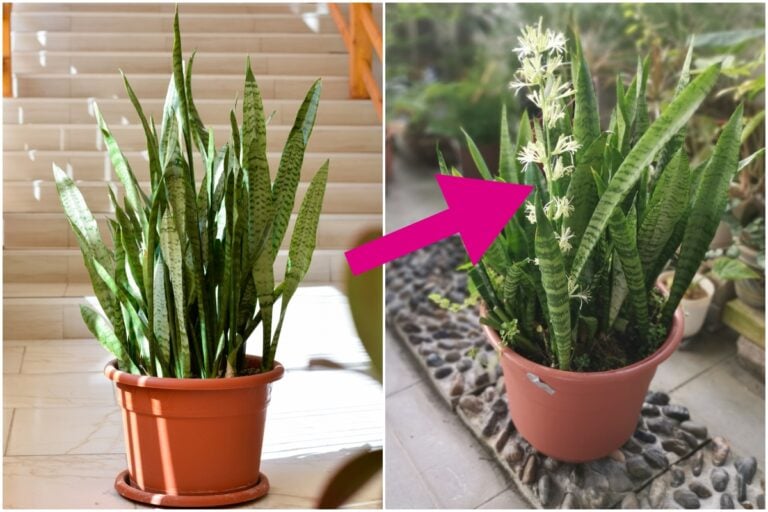
The Secret to Making Your Snake Plant Bloom
The Secret to Making Your Snake Plant Bloom
When you think of houseplants that bloom, a snake plant likely doesn’t come to mind. However, the newly reclassified Sansevieria trifasciata does indeed produce flowers, typically once a year in the spring. Despite their imposing appearance, these tough plants, now known as Dracaena trifasciata, can surprise even the most seasoned houseplant owners with their blooms.
Understanding Your Snake Plant
With their long, sword-shaped leaves and resilience to neglect, snake plants thrive in less-than-ideal conditions. Commonly referred to as St. George’s Sword or mother-in-law’s tongue, their intimidating names reflect their hardy nature. This resilience can often mask their ability to bloom, leaving many plant parents unaware that their snake plant could blossom.
How to Get a Snake Plant to Bloom
So, how can you encourage your snake plant to flower? The answer lies in the quintessential word: stress. While it may seem counterintuitive, inducing a bit of stress can trigger your plant’s blooming process.
The Role of Stress in Blooming
Plants, like all living organisms, are driven by survival and reproduction. When they experience environmental stress, they direct their energy into producing flowers, aiming to create the next generation. Stress hormones prompt this transition, and snake plants are no different.
To get your snake plant to bloom, you will need to introduce minimal stress in the form of certain growing conditions. Specifically, you should focus on becoming slightly root-bound and watering less frequently.
Light Requirements
Light is crucial for inducing flowering in all houseplants, including snake plants. Ensure your plant receives bright, indirect sunlight, ideally near a south or east-facing window. Direct sun can harm the leaves, so aim for conditions where the sunlight is filtered.
- Use a light meter or an app like Lux Light Meter Pro to check light intensity, aiming for over 10,000 lux.
- Supplement with grow lights if your indoor space doesn’t provide enough natural light.
- Ensure your plant receives 8-12 hours of bright indirect light daily.
Letting Your Snake Plant Get Comfortable
A slightly root-bound snake plant will experience enough stress to trigger blooming. Watch for signs of slow growth but a good mix of roots and potting media when you gently lift the plant.
- Keep your snake plant in a small pot, repotting only once growth has stalled.
- Choose a pot that is just one inch larger in diameter if repotting is necessary.
Watering Practices
Snake plants are drought-tolerant and prefer to dry out between waterings. Typically, you should water them every two weeks during their growth phase, slowing down in the fall and winter. To encourage blooming:
- Water less frequently, especially as spring approaches.
- Once the days lengthen, give your snake plant a deep watering, then wait until it has completely dried out before watering again.
Enjoying the Flowers
Once your snake plant gets the right amount of light and encounters mild stress, it may surprise you with a flower stalk that shoots up from the base of the rosette. These flowers are often sticky and bloom in the evenings, releasing a unique scent that few experience.
Post-Bloom Care
Once the blooming period concludes, it’s essential to resume regular care. Remove the faded flower stalk and return to your usual watering routine. If you were using grow lights, you can discontinue them.
Allow your snake plant to recover its strength. Remember, each rosette flowers only once, but other rosettes can bloom if you care for them properly. Although snake plants aren’t typically celebrated for their blooms, the experience is certainly rewarding.
Conclusion
In closing, may the journey of your snake plant inspire you to embrace both strength and delicate beauty. With minimal stress and abundant light, your snake plant can surprise you with blossoms, reminding you that a little discomfort can lead to beautiful growth.