Grow 1000 Roots Overnight: The Magic Mix for Your Rose Stems!
Expert Tips for Encouraging Your Rose Stems to Root Overnight
- Introduction
- Essential Techniques for Rooting Rose Stems
- Preparation Suggestions for Success
- Common Mistakes to Avoid
- FAQ
Introduction
Having a garden filled with beautiful roses can bring joy and tranquility to any outdoor space. However, achieving that lush display from just a few stems can sometimes feel challenging. You may find yourself wondering why your attempts at propagating new roses haven’t worked out as planned. With a little guidance, you can discover effective methods to encourage your rose stems to root quickly. Read on to uncover practical insights that will help transform your gardening experience.
Essential Techniques for Rooting Rose Stems
Understanding the right techniques is crucial when you want to propagate roses effectively. These methods will enhance your chances of success by optimizing the conditions for root development.
1. Selecting the Right Stems
Choosing the right rose stems is the first step. Look for healthy stems that are at least 6 inches long and have several leaf nodes. Ideally, they should be semi-hardwood, taken from the new growth of the previous season.
2. Using Rooting Hormone
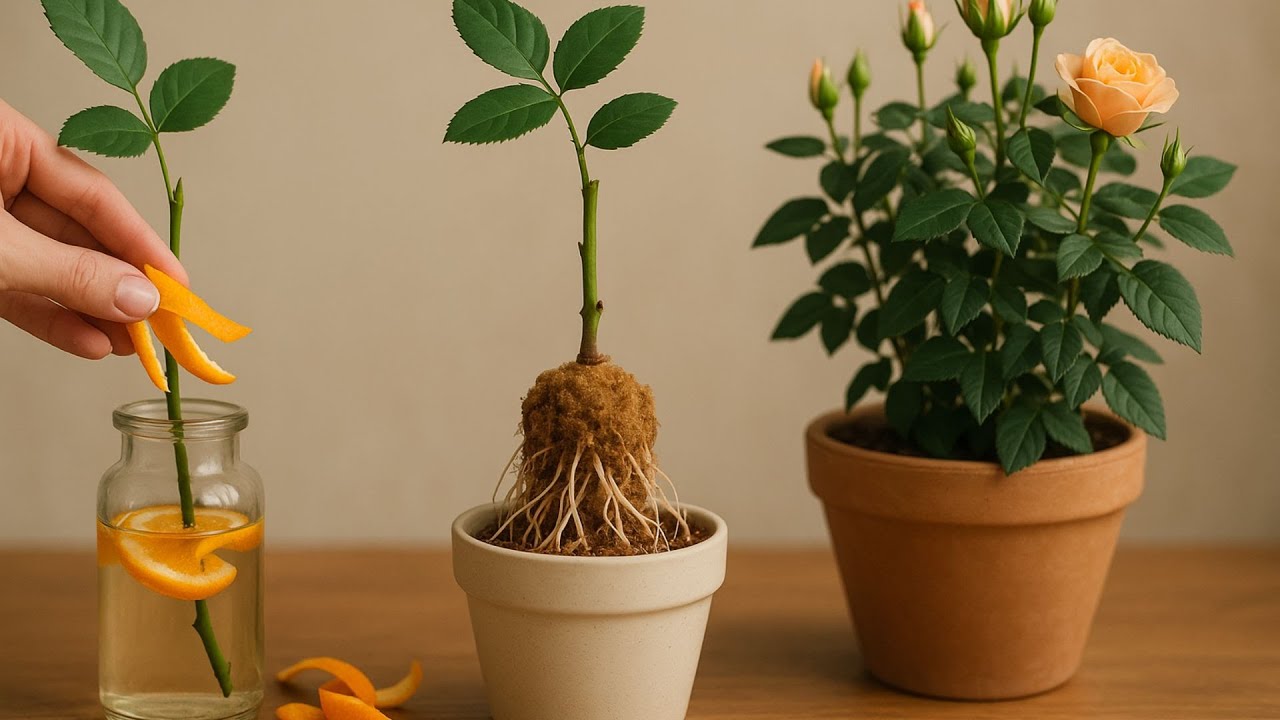
Applying rooting hormone can significantly increase your odds of success. Dip the cut end of the stem into the hormone powder, which will stimulate root growth. Be sure to follow the instructions on the packaging carefully.
3. Creating the Perfect Environment
Your rose stems will require the right conditions to thrive:
- Prepare a pot with well-draining soil to prevent rot.
- Water the soil lightly before planting the stems to ensure moisture without leaving them soggy.
- Cover the pot with a plastic bag to create a humid environment, but ensure adequate airflow to prevent mold.
Preparation Suggestions for Success
Prior preparation is essential for the healthy growth of your rose cuttings. Implementing these suggestions will help create optimal conditions for rooting.
1. Timing Your Cuttings
The best times to propagate rose cuttings are in late spring or early summer when the plants are actively growing. This will provide the best chances for them to take root.
2. Watering Properly
Keep the soil **moist** but not waterlogged. Overwatering can lead to root rot before the stems even have the chance to sprout roots. It’s important to check the soil regularly for adequate moisture levels.
3. Light Exposure
Place the pot in an area that receives indirect sunlight. Direct sunlight can overheat the cuttings, whereas insufficient light will hinder growth. A sunny windowsill works well as long as it’s not in direct light all day.
Common Mistakes to Avoid
Even with the best intentions, mistakes can happen during the propagation process. Here are some pitfalls to keep in mind:
1. Using Old or Diseased Stems
Using stems that are too old or diseased won’t yield successful rooting. Always choose healthy, vibrant stems to increase your chances of success.
2. Over-Care
While it’s important to check on your cuttings regularly, over-handling them can lead to stress and delay rooting. Minimize disturbances once the stems are in the soil until they show signs of growth.
3. Ignoring Temperature Changes
Be mindful of sudden temperature fluctuations, as they can hinder the rooting process. Aim for a consistent warmth. If necessary, use a heat mat to keep the area warm, especially in cooler months.
FAQ
Q: How long does it take for rose cuttings to root?
A: Generally, rose cuttings can take anywhere from 2 to 8 weeks to root, depending on conditions.
Q: Can I use just any soil for rooting?
A: It’s best to use a well-draining potting mix designed for seed starting or propagation to prevent sogginess.
Q: What should I do if my cuttings wilt?
A: If cuttings start to wilt, check the moisture level and consider adjusting the humidity levels or light exposure.
Conclusion
By applying these expert tips for encouraging your rose stems to root overnight, you’re setting yourself up for gardening success. Are there any other methods you’ve tried that worked well for you? Share your experiences in the comments below!