Savory Asparagus, Ham, and Cheddar Cake: A Heavenly Baked Delight
Savory Asparagus, Ham, and Cheddar Cake: A Heavenly Baked Delight
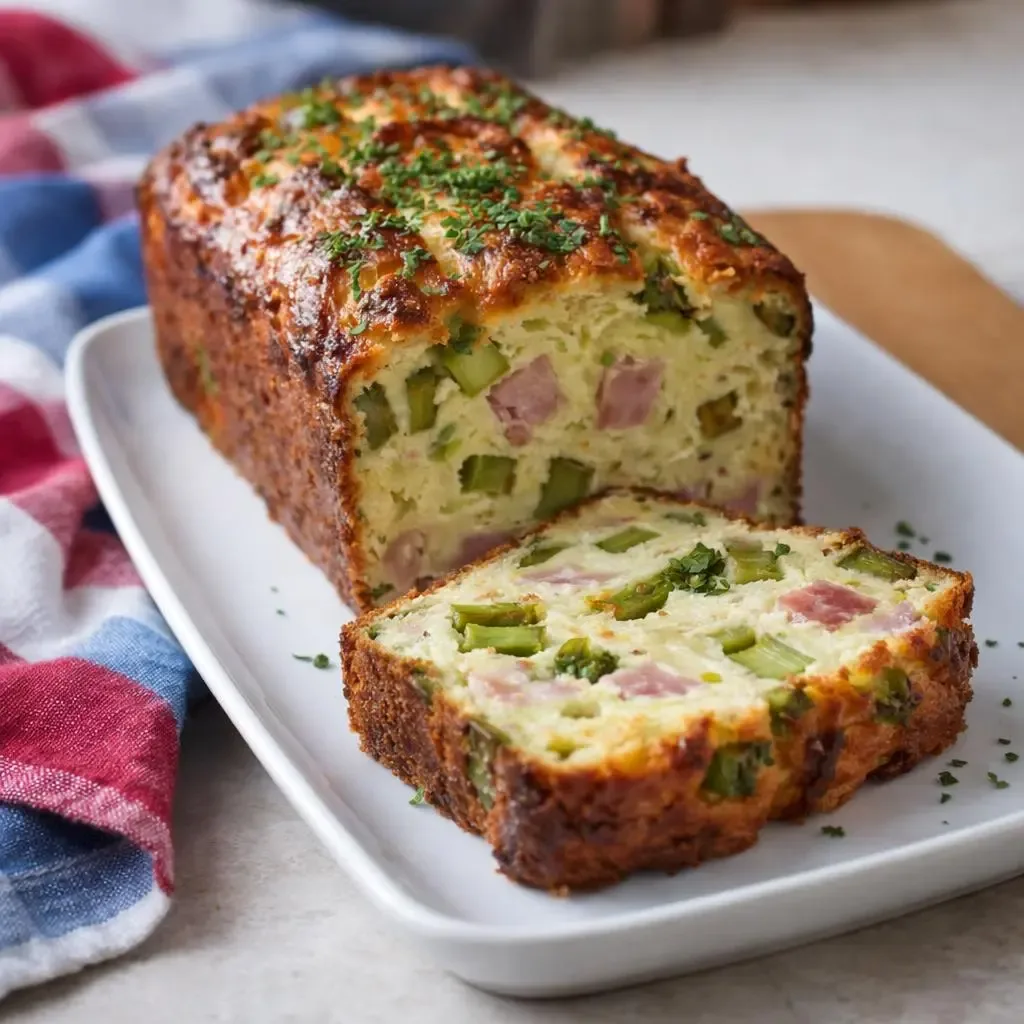
If you’re looking for a delightful and unexpected savory treat, this savory asparagus, ham, and cheddar cake is sure to impress. Moist on the inside, beautifully golden on top, and easily sliced like a cake, this dish combines crunchy green asparagus, fragrant ham, and irresistible melting cheddar. The result is not only a clean slice that stands firm but also a tender crumb where asparagus and ham are perfectly dispersed.
Why This Savory Asparagus Cake Is Always a Hit
The secret to a successful savory cake goes beyond its flavor; it’s all about the texture. This recipe hinges on three key pillars:
- Flour and Baking Powder: The flour provides structure, while baking powder helps the cake rise, yielding a soft crumb without the airiness of sweet cakes.
- Melted Cheddar: It binds the mixture, adding a slight creaminess that ensures clean slices.
- Eggs and Milk: They create a creamy and consistent base.
The green asparagus adds a burst of freshness and crunch. To maintain this quality, they are briefly blanched before cooking: 2 to 3 minutes in boiling water, followed by a quick cool down, and then drying. This way, they remain visible and pleasantly crispy even after baking.
Perfect Texture and Flavor: What to Expect
When you pull this savory asparagus, ham, and cheddar cake out of the oven, you should look for three signs of perfection:
- A golden-brown crust on top.
- A center that is just set (not dry, not wobbly).
- Asparagus pieces that hold their shape and maintain a pleasant crunch.
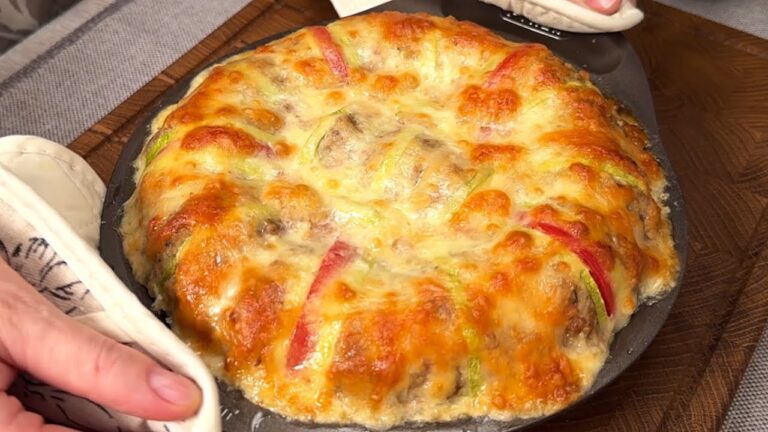
When you slice the cake, it should showcase a harmonious alternation of melting cheddar, diced ham, and evenly distributed asparagus. The whole cake remains moist without being rubbery.
Ingredients for a Moist Savory Cake
To achieve this savory asparagus cake, here’s a complete ingredient list for a homogeneous batter that rises beautifully.
Cake Base
- 180 g Flour
- 1 packet of Baking Powder (approximately 10-11 g)
- 3 Eggs
- 150 ml Milk (or light cream)
- 60 ml Neutral Oil (or melted butter)
- 150 g Grated Cheddar
- 1-2 Pinches of Pepper
Filling (Flavor and Texture)
- 300-350 g Green Asparagus, cut into pieces
- 200 g Diced Ham (or pre-cooked bacon)
- 1 Small Chopped Onion or Shallot (optional, about 50 g)
- 2-3 tbsp Fresh Herbs (Chives and/or Parsley), finely chopped
Key Ingredient Roles
Green Asparagus (Crunch and Freshness)
The green asparagus serves as the aromatic heart of the cake. Cut into pieces, they mix well into the batter and maintain a fine, appealing color. Careful cooking is crucial; overcooked asparagus becomes mushy. The brief blanching, cooling, and drying preserves their flavor and crunch.
Diced Ham (Salty and Texture)
The ham infuses the batter with a savory, hearty flavor. When sliced, it contrasts nicely with the asparagus and cheddar. If using bacon, opt for pre-cooked varieties to prevent excess grease.
Grated Cheddar (Melty and Binding)
The cheddar melts beautifully in the oven, creating a slightly stretchy texture that binds the batter together. It also adds a cheesy flavor that’s hard to resist. For optimal results, use high-quality cheddar and grate it yourself for even melting.
Eggs and Milk (Moistness and Consistency)
Eggs provide structure, while milk (or light cream) add moisture. This combination yields a tender and uniform crumb. Without it, you risk ending up with a dry or dense cake.
Neutral Oil (Softness) or Melted Butter
Neutral oil ensures the batter remains soft and easy to slice, while melted butter adds a richer, homemade feel. Both work well, just maintain the same balance to prevent a greasy texture.
Flour and Baking Powder (Sturdy Crumb)
The flour provides body and avoids a soupy texture, while baking powder gives the cake a lighter lift without cracks.
Onion/Shallot (Flavor Depth)
While optional, they add a slightly sweet, comforting base flavor that enhances the cheese and balances the asparagus.
Herbs (Fresh Aroma)
Chopped chives and/or parsley add a green, vibrant note that complements the cheddar. The goal is to enhance freshness, especially when the cake is served warm or at room temperature.
Product Selection Tips
Green Asparagus
Look for firm asparagus with well-formed tips and vibrant colors. For thicker stalks, cut them into smaller pieces for even cooking. Choose seasonal asparagus for optimal crunch.
Ham and Cooking Dice
Select high-quality ham, chopped for easy cooking. Ensure it’s sufficiently dry to prevent sogginess in the cake.
Cheddar
Opt for pre-grated cheddar or grate it yourself. Finer shreds melt better and ensure a stable crumb.
Fresh Herbs
Preferably, use fresh herbs (chives/parsley). Dried versions lose some aroma, which is essential in a recipe focusing on asparagus.
Possible Ingredient Substitutions
To retain the essence of the savory asparagus cake, here are reasonable substitutions:
- Milk ↔ Light Cream: Use light cream for a creamier texture.
- Oil ↔ Melted Butter: Choose based on personal preference for a rounder flavor.
- Onion/Shallot ↔ None: If preferred, omit these for a simpler taste.
- Cheddar ↔ Another Melting Cheese: If substituting, select cheese with good melting properties; avoid crumblier varieties.
Essential Equipment
For consistent results, prepare the following:
- A cake mold (preferably rectangular, standard size), ideally greased or lined
- A mixing bowl for the batter
- A whisk (or spatula) for a smooth mixture
- A plate for drying the asparagus post-blanching
- A large pot to blanch and cool the asparagus
A mold that’s too small will create a taller cake that’s harder to bake evenly. A too-large mold may dry the cake out; aim for a standard cake size.
Preparation Steps Before Mixing
Before getting started, ensure you prepare two essential elements: the asparagus and your mold.
Asparagus: Blanch, Cool, and Dry
First, cut the asparagus into pieces. Blanch them in boiling water for 2-3 minutes. Immediately cool them in cold water (with ice if possible) to stop the cooking process and preserve the green color.
Finally, a often-overlooked yet critical step: dry the asparagus thoroughly. Moisture increases the risk of a heavy batter.
Prepare the Mold
Make sure your mold is ready for the batter as soon as it’s mixed. Grease or line it well to ensure easy removal and avoid sticking.
Step-by-Step Recipe Preparation
Follow these detailed steps to achieve your savory asparagus, ham, and cheddar cake: a smooth batter, visible green asparagus, and firm cuts thanks to the cheddar.
1) Preheat the Oven and Prepare the Mold
Preheat your oven to 180°C (356°F) (convection if possible). Generously grease the cake mold (or rectangular mold). For easier removal, you can also line it with parchment paper.
Important: Ensure the oven is hot before placing the cake inside. Delayed baking may lead to uneven rising.
2) Prepare the Asparagus for Crunch
While the oven heats up, prepare the green asparagus by cutting them into pieces of about 2-3 cm.
Blanch for 2-3 minutes in a large pot of salted boiling water. Drain and cool immediately under cold water (or in a cold water bath) to stop the cooking. Afterward, drain thoroughly and dry well by placing the pieces on a clean towel or paper towel.
This step is crucial: any residual moisture can dampen the batter, affecting its structure.
3) Start the Liquid Base: Eggs + Milk + Fat
In a mixing bowl, crack the 3 eggs and whisk for 30 seconds.
Then add the milk (or light cream) and the neutral oil (or melted butter). Whisk until smooth and combined.
This mixture should be homogenous, with no lumps or visible separation.
4) Incorporate Dry Ingredients Gradually
In a separate bowl (or directly over the mixing bowl), combine the flour and baking powder.
Gradually pour the dry ingredients into the liquid mixture in two batches. Mix with a spatula (or whisk, but be gentle): the goal is a thick batter without flour pockets.
Aim for a batter that slowly “falls” back into the bowl—a smooth consistency that’s not too liquid or dense.
5) Add Cheddar and Herbs: Making the Mixture Creamy
Add the grated cheddar and finely chopped herbs (chives and/or parsley). Season with 1-2 pinches of pepper.
Mix just enough to combine, allowing the cheddar to begin to soak in and impart a slightly creamy, golden hue to the batter.
6) Incorporate Ham and Asparagus: Distribution Matters
Gently fold in the diced ham.
Then add the asparagus pieces. Stir carefully to avoid mashing them; the aim is to keep visible chunks in the batter.
If using chopped onion/shallot, incorporate it during stage 3 (with the eggs) or stage 5, allowing it to blend smoothly into the mixture.
7) Pour and Smooth the Top
Pour the batter into the mold. Tap the mold on the counter one or two times to release air bubbles.
Smooth the surface: it should be relatively even to achieve a uniform golden-brown crust.
8) Bake: Targeting a Set Center, Not Dry
Place in the oven at 180°C (356°F) and bake for 40 to 50 minutes.
Indicative timing:
- 40 minutes if your mold is on the thinner side and the asparagus is well drained.
- 50 minutes if your oven is slower to heat.
Cooking check: Insert a knife tip (or metal skewer) into the center. It should come out with a very slight moist crumb, but not raw or liquid.
Success indicators:
- Brown-golden top.
- Edges that slightly separate from the mold.
- A cake that hardly quivers when touched.
9) Resting, Unmolding, and Slicing
Remove the cake from the oven and let it cool in the mold for 10 to 15 minutes.
Then unmold and let cool for an additional 20 to 30 minutes before slicing.
Why is this step important? Cutting too soon can ruin the crumb and result in messy slices.
Using a knife, slice into thick sections of 1.5 to 2 cm.
Signs of Success When Slicing
When done perfectly, you should see:
- A consistently moist crumb, not rubbery.
- Visible asparagus pieces that retain a bit of crunch.
- Diced ham evenly spread throughout.
- Cheddar that binds and gives a slightly creamy feel inside.
- An even, golden surface.
Common Mistakes to Avoid
- Not Blanching/Cooling Asparagus: They will become dull and overly soft.
- Not Drying Asparagus: Risk of soggy batter and a dense cake.
- Overbaking: A cake that stays in too long becomes dry and loses its creaminess.
- Overmixing After Adding Flour: This could yield a denser batter.
- Unmolding Too Soon: The slice may crumble.
Chef’s Tips for Reliable Moisture
- Respect the asparagus cut (2–3 cm). Too small, and they disappear; too large, and they cook unevenly.
- Use a well-stabilized oven: avoid opening the door before 35 minutes, if possible.
- Poke the center: it’s the only area ensuring there’s no raw batter.
- For an even prettier crust: if the top lightens, extend baking by 3 to 5 minutes while watching closely.
Related Variations (Without Altering the Logic)
- Milk ↔ Light Cream: Choosing light cream offers added creaminess, but baking time remains the same while you should monitor the center more closely.
- Oil ↔ Melted Butter: Butter adds a distinct richness; texture remains moist but has a classic homemade flavor.
- Onion/Shallot optional: If desired, limit to a small amount (about 50 g) for a cleaner taste that doesn’t overshadow the ham.
Serving Suggestions and Presentation
Serve your savory asparagus, ham, and cheddar cake warm or at room temperature.
Delicious accompaniments include:
- A crunchy green salad with a lemon vinaigrette.
- A few cherry tomatoes with a drizzle of olive oil.
- Mild mustard or a simple lemon yogurt sauce to balance the cheddar.
For presentation, arrange the slices in a fan on a platter and sprinkle some fresh herbs (chives/parsley) to echo the visible pieces in the cut.
Storage and Reheating
- In the Refrigerator: Store in an airtight container for 2 to 3 days.
- In the Freezer: Slice if desired, wrap, and freeze for up to 1 month.
- Reheat: Either 8 to 10 minutes in the oven at 160°C (320°F) (for slices or whole cake) or 20 to 30 seconds in the microwave, although prefer the oven to retain moisture and texture.
Make-Ahead Tips (Convenient for Daily Life)
You can prepare the cake a day in advance; it will only taste better. Bake, let cool, wrap well once completely cooled, and the following day, slice and serve at room temperature. The flavors of ham and cheddar meld beautifully overnight.
Approximate Quantity/Nutrition
For reference, a serving (divided into 8 portions) is about 300 to 380 kcal based on the type of cream/milk and the ham used. This cake naturally contains higher levels of fats and proteins due to the cheddar and eggs.
FAQ
How Can I Prevent the Cake from Collapsing After Baking?
The cake often collapses if removed too early or if the batter is too wet. Check the cooking at the center (skewer comes out slightly moist but not raw). Ensure the asparagus is thoroughly dried after blanching and immediately cooled to avoid excess water.
Why Blanch Asparagus Before Adding Them to the Batter?
Blanching for 2 to 3 minutes stabilizes the color and keeps the asparagus bright. The thermal shock (cold water) stops cooking, helping them retain a slight crunch after baking. Once well-dried, they add texture and visibility to each slice.
At What Temperature and for How Long Should I Bake a Savory Asparagus Cake?
For this recipe, bake at 180°C (356°F) for 40 to 50 minutes. The exact time varies depending on your mold and oven power. The critical factor is the center, which should be set without any liquid batter, with the top gently browned.
Can I Replace Milk with Light Cream?
Yes, light cream results in a richer texture without altering the overall structure. Cooking time remains the same, but keep an eye on the center—a richer batter may require slightly earlier completion.
How Should I Cut for Clean Slices with Cheddar?
Allow the cake to cool for 10 to 15 minutes in the mold, then cool for another 20 to 30 minutes outside. Cutting too hot will break the crumb. Use a sharp knife to cut uniform slices that highlight the asparagus and ham pieces.
Conclusion
Your savory asparagus, ham, and cheddar cake comes together with three key actions: blanching and drying the asparagus, mixing just enough to keep the batter airy, and baking until the center is set. Try it for brunch, an appetizer, or a light meal: it cuts cleanly, boasts a cheesy aroma, and always makes an impression. Don’t forget to save and share this recipe!