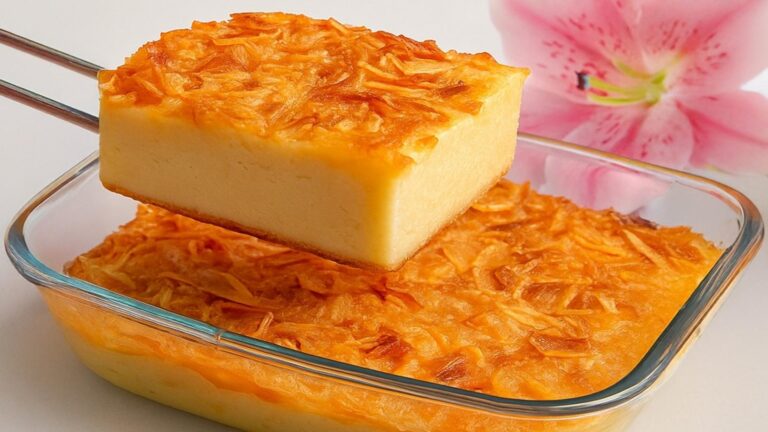

Ultra Moist Lemon Cake with Zesty Icing Recipe
Ultra Moist Lemon Cake with Zesty Icing Recipe
There’s nothing quite like slicing into a lemon cake that feels tender, flavorful, and never dry. In this recipe, we will create an ultra moist lemon cake topped with a shiny, slightly tangy lemon icing that glazes perfectly without dripping. The end result is a golden brown crust, a uniform pale yellow interior, and a delightful balance of sweetness and lemon flavor that keeps you coming back for more.
Why This Moist Lemon Cake Truly Shines
The key to transforming a “nice” lemon cake into an exceptionally moist one lies in balancing three important factors:
- Soft Crumb: Properly hydrating the batter (with milk or light cream) and avoiding overmixing after adding the flour.
- Lemon Flavor: The zest offers intense aromatic notes, while the juice adds acidity and moisture.
- A Fluffy Structure: Baking powder (or baking soda if that’s what you have) allows the cake to rise without becoming dense.
Additionally, our icing made from powdered sugar and lemon juice creates a smooth finish. It must be thick enough to coat without running down the sides of the cake.
What You Will Create (And What to Expect)
You’ll be making a classic rectangular lemon cake, baked to a beautiful golden color. Once cooled, top it with a bright white lemon icing that sets nicely on the surface. When sliced, you’re aiming for:
- A uniform pale yellow color (no darker spots or “pockets” of flour).
- A consistent crumb without large holes.
- A melting texture—reminiscent of a light brioche yet maintaining a cake structure.
Ingredients for a Moist Lemon Cake (Balancing Zest and Juice)
Below are the essential ingredients, precise quantities, and their roles in this delightful cake (understanding their functions helps avoid mishaps).
Essentials for the Cake
- 200 g All-Purpose Flour: Provides structure. A standard flour gives a fine crumb when the dry ingredients are incorporated properly without excessive mixing.
- 11 g Baking Powder: Acts as the leavening agent, ensuring an airy cake that doesn’t dry out.
- 1 Pinch of Salt (≈ 1 g): Enhances flavor, particularly with lemon. Without salt, lemon can taste overly sharp.
Eggs and Sugar (Structure + Moisture)
- 3 Medium Eggs (150–180 g without shells): Provide structure and contribute to moistness. They also help the cake maintain its shape after baking.
- 170 g Granulated Sugar: Sweetens and softens the batter. Too little sugar can lead to a drier crumb, while too much may weigh it down.
Fats (For Softness)
- 120 g Melted Butter: Adds moisture and a tender texture. It should be cooled before incorporation to avoid “cooking” the eggs.
- Optional: 60 g Neutral Oil + 60 g Butter: This combination makes the cake even more tender while keeping that rich buttery taste.
Moisture Component
- 80 ml Milk (or 80 ml Light Cream): Complements hydration. Milk creates a light, soft crumb, while cream lends a richer moistness.
Lemon: Zest and Juice (Flavor + Acidity)
- 2 Unwaxed Lemons (Zest): Your best aromatic weapon—be sure to zest finely without the bitter white pith.
- 60 ml Lemon Juice (approximately 3–4 lemons): Adds acidity and balances sweetness while keeping the batter moist. Too little yields a less lemony cake, while too much can make it dense.
For the White Lemon Icing
- 180 g Powdered Sugar: The base for the icing, which should remain thick enough to coat.
- 2-3 Tbsp Lemon Juice (≈ 25–35 ml): Used to adjust texture during icing preparation. The goal is a smooth, white glaze that coats in a thin layer without running.
Understanding “Baking Powder” and “Baking Soda”
You can substitute baking powder with:
- Baking Soda: Use about 1/3 to 1/2 of the amount of baking powder (for example, 3–5 g), as it is more potent.
Note: Baking soda reacts differently. Too much can impart a noticeable taste and impact the cake’s color.
Product Selection: Simple Tips That Make a Difference
Lemon: Choose Fresh and Fragrant
Select unwaxed, thin-skinned, and bright yellow lemons. Overly dry lemons yield less juice and less fragrant zest, resulting in a less vibrant icing.
Tip: To zest easily, wash, dry, and only take the colored part using a microplane or fine grater.
Melted Butter: Avoid Overheating
Melt the butter gently and allow it to cool. When added, the batter should remain soft instead of “set” or clumpy.
Milk or Light Cream: Choose Based on Preference
- Milk: Provides a light moistness and a very tender crumb.
- Light Cream: Results in a richer moisture similar to dessert.
Can Some Ingredients Be Replaced?
Yes, but only if you want to maintain the essence of “moist + fine crumb + white icing.”
- Butter: Can be replaced by an equal amount of neutral oil, though the lemon flavor may seem less vibrant. If possible, retain some butter.
- Milk: Can be swapped for unsweetened plant-based milk. The moisture remains good, but the taste might slightly change.
- Baking Powder: If solely using baking soda, pay attention to the amount as noted above.
- Lemon: Ensure juice remains tangy; avoid using sweetened lemon concentrate.
Helpful Gear and Preparations Before You Begin
To ensure a stress-free culinary experience:
- 1 Loaf Pan: A standard-sized loaf pan is ideal for uniform cooking.
- 2 Mixing Bowls: One for liquids and one for dry ingredients (or use one, avoiding multiple mixes).
- Fine Grater or Microplane: For zesting.
- Spatula or Whisk: For incorporating ingredients (spatula is best for minimizing overmixing).
Additionally, before starting, weigh your ingredients, measure the lemon juice, and cut a piece of parchment paper if your pan tends to stick.
Aiming for the Right Texture Right Away
Your batter should become smooth and homogeneous, but not overly worked. The secret is balance: once you’ve added the flour, mix only enough to eliminate dry patches. Then let the baking do its job.
For the icing, target a thick texture: it should pour and smooth easily but should not spread too quickly. This will provide a bright white top that remains attractive in slices.
Step-by-Step Recipe Preparation
1. Prepare the Pan and Preheat the Oven
Preheat your oven to 170°C (340°F). Grease a loaf pan thoroughly. You may also line it with a strip of parchment paper if it tends to stick.
While the oven heats, prepare a bowl for the dry ingredients and another for the wet ingredients, along with a spatula. The secret to a fine crumb is a gentle touch: mix just enough.
2. Mix the Dry Ingredients
In a bowl, combine the 200 g of all-purpose flour, 11 g of baking powder, and a pinch of salt. Mix for about 30 seconds to distribute the baking powder evenly. Set aside.
Tip: If you notice lumps in the flour, sifting will help avoid uneven areas.
3. Whisk Eggs and Sugar: Achieve a Lighter Batter
In a separate bowl, crack the 3 eggs and add the 170 g of sugar. Beat with a mixer or whisk for 2 to 3 minutes: the batter should become fluffy, slightly pale, forming a ribbon when lifting the whisk.
The key point: ensure the eggs are well incorporated with the sugar. This mixture aids in structure and moistness.
4. Add the Cooled Melted Butter, Then Milk and Lemon
Slowly pour in the 120 g of cooled melted butter in a thin stream, mixing at low speed or by hand just to combine.
Add the 80 ml of milk and mix again. Finally, fold in the finely grated zest of 2 lemons and the 60 ml of lemon juice.
Expected texture at this stage: a smooth, fragrant batter with a pale yellow color.
5. Incorporate the Flour in Two Batches: Mix Sparingly
This step genuinely differentiates a moist cake from a denser one.
Add half of the dry ingredient mixture. Stir with a spatula just until the flour is fully incorporated (usually 15 to 20 strokes).
Add the other half, and mix just enough again.
You should achieve a thick but soft batter, fully homogeneous, without any dry flour at the bottom. Avoid excessive beating, as it develops gluten and may affect the cake’s texture.
6. Fill the Pan and Smooth the Top
Pour the batter into the pan, filling it about two-thirds. This allows the cake to rise beautifully.
Smooth the surface with a spatula. To eliminate air bubbles, tap the pan once on the countertop.
7. Bake: Aim for a Golden Crust and Knife Test
Bake at 170°C for 45 to 55 minutes.
Visual clue: the cake should develop a lovely golden color and the edges may slightly pull away from the pan.
To test for doneness: insert a knife in the center. It should come out clean or with a few moist crumbs (not wet batter). If it comes out with batter, extend baking in 5-minute increments.
Important: avoid seeking a perfectly dry knife, or you risk overbaking.
8. Cool in Pan, Then Fully Cool
Remove the cake from the oven and let it rest in the pan for 10 minutes.
Then demold and allow to cool at room temperature until the top is warm or completely cool (generally about 1 hour).
Why is this essential? The icing made from powdered sugar and lemon juice needs to adhere without melting or running. On a warm cake, it becomes translucent and “leaks.”
Lemon Icing: Finishing with a Shiny White Coat
9. Prepare a Thick, Glaze
In a bowl, mix 180 g of powdered sugar with 2-3 tablespoons of lemon juice (25–35 ml).
Gradually add the juice: you should achieve a thick icing that pours and forms a slight ribbon without being liquid. If it’s too thick, add 1/2 tablespoon of juice. If it’s too liquid, add a bit of powdered sugar (1 to 2 tablespoons).
Expected texture: smooth, white, and homogeneous. Without lumps.
10. Ice While the Cake is Cool
Place your cake on a wire rack or serving plate. Pour the icing in one or two intervals.
Gently spread with a spatula if needed. Allow the surface to set, generally for 10 to 20 minutes. The icing should become white and shiny, holding a neat appearance.
Signs of Successful Icing
- Appearance: Smooth white finish, without transparent areas.
- Finish: Even glazing, no overwhelming drips.
- Touch: The icing should no longer feel sticky.
Chef’s Tips and Mistakes to Avoid
- Avoid Overmixing the Flour: If you find the batter becoming “elastic” or overly worked (indicating gluten development), it’s too late; the cake will lack a fine texture. The rule: mix just until homogeneous.
- Cool Melted Butter: Avoid adding hot butter, as it can partially “cook” the eggs, resulting in a grainy texture.
- Do Not Cut Baking Time: An underbaked cake remains wet in the center, allowing icing to seep in. Use the knife test: moist crumbs are fine, liquid batter is not.
- Icing: Adjust at the Right Time: The amount of juice (25–35 ml) depends on the sugar quality and humidity. Aim for a thick consistency to achieve a shiny white effect.
Simple Variations (Without Altering the Spirit)
Extra Lemon Version
If you want a bolder flavor without changing the structure, add a bit more zest (1 to 2 teaspoons finely grated) while keeping the total juice amount (60 ml) the same. This enhances the aroma while maintaining stable texture.
Thinner Icing Version
If you prefer a lighter layer: start with 2 tablespoons of juice (targeting a glaze but not thick). Avoid pressing too hard when spreading: let the icing naturally settle.
No Visible Zest
If you’re concerned about visible zest appearing as “dots,” zest very finely (avoiding the white pith) and mix thoroughly when adding lemon zest and liquid.
Serving: How to Present for Maximum Wow
Serve your moist lemon cake at room temperature: this is when the crumb becomes the most delightful.
Cut neat slices with a sharp knife. If the icing has set a bit, wipe the blade between cuts for a clean slice.
Suggested Pairings:
- Black or Green Tea: A classic pairing with lemon.
- Filtered Coffee.
- For an elegant snack: a bowl of plain yogurt with zest for garnish.
Preparation in Advance and Storage
You can prepare the cake 1 to 2 days ahead.
Store it well wrapped (in plastic wrap or an airtight container) once cooled and the icing has set. Avoid reheating, as it would lose its delightful moistness.
For tasting: remove it from the fridge 15 to 20 minutes before serving.
For freezing (if desired): you can freeze the cake without icing. Thaw at room temperature, then ice on the day of serving for a bright white finish.
Nutritional Information (Approximate Guidelines)
A slice (from 10 slices) provides about 330 to 420 kcal depending on slice size and butter distribution. Carbohydrates dominate (from flour and powdered sugar), while butter contributes to the moistness.
FAQ
Can I replace baking powder with baking soda?
Yes, you can use baking soda, but it’s stronger: start with about 3 to 5 g (which is about one-quarter to one-third of the baking powder amount). The taste may slightly change, so adjust accordingly to ensure a lemony flavor and avoid overmixing.
Why is my lemon cake dense in the center?
Common causes include an insufficiently preheated oven, too-short baking time, or overmixing the flour after adding dry ingredients. Stick to the baking time (45 to 55 minutes) and mix in two stages with a spatula just until incorporated.
My lemon icing is running: what to do?
This often indicates an overly liquid icing. The solution: gradually add powdered sugar until you achieve a thick texture, then ice a well-cooled cake. If the cake is still warm, let it cool completely first.
Does zest make the cake bitter?
Only the white part (pith) can introduce slight bitterness. Zest finely while avoiding the white part and mix well with the liquid. If the zest is thick, the taste may seem sharper.
Conclusion
Your ultra moist lemon cake with a zesty icing is ready when the crust is golden, the crumb remains tender, and the icing sits beautifully without running. Once cooled, slice, serve, and enjoy—it’s precisely the kind of cake that vanishes quickly at gatherings. Give it a try, and don’t forget to share this delightful recipe with fellow lemon lovers!