5 Outdoor Plants That Make Great Indoor Beauties + Tips for Transitioning
5 Outdoor Plants That Make Great Indoor Beauties + Tips for Transitioning
If you’re looking to expand your indoor plant collection without spending a dime, transitioning outdoor plants into your home can be a rewarding experience. Many garden varieties thrive indoors, transforming your space while saving you money. Here are five popular outdoor plants that make excellent indoor companions, along with tips for a successful transition.
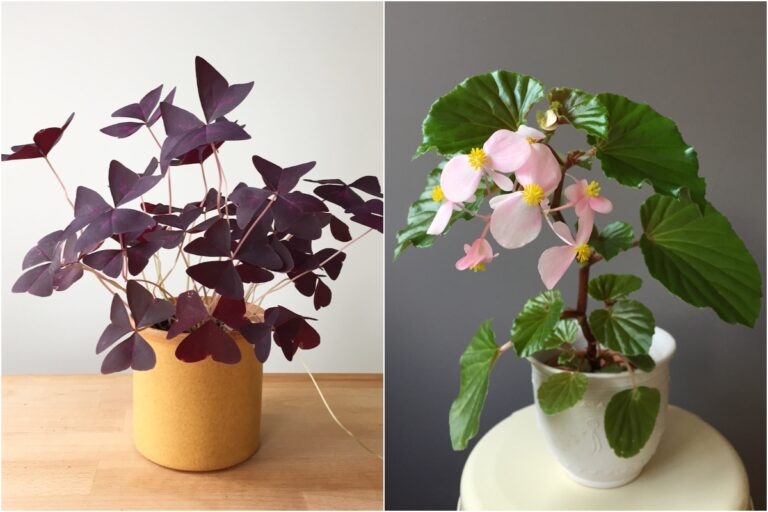
1. Begonia
Begonias are by far my most successful outdoor-to-indoor transition plants. Types like rhizomatous begonias, wax begonias, and rex begonias adapt well when moved indoors.
- Before bringing them inside, change their soil to avoid pests.
- While they prefer humidity and indirect light, they need to be shielded from cold drafts.
- Begonias can still thrive indoors, provided they receive enough moisture and bright, indirect light.
- Cuttings can be taken for further propagation.
2. Coleus (Coleus scutellarioides)
Coleus is another delightful choice for both indoor and outdoor gardening. Like begonias, you can either bring the entire plant inside or opt for cuttings.
- Coleus thrives outdoors in part shade but struggles with indoor low light.
- The colorful foliage, ranging from lime green to deep burgundy, may lose vibrancy indoors but can rebound once moved back outside.
- Careful pruning can keep your coleus from getting leggy indoors.
3. Oxalis
My journey with oxalis began as an indoor houseplant. After several successful years, I decided to try it outdoors, and it thrived just as well.
- During colder months, oxalis may die back above ground but will regrow in spring.
- Avoid overwatering, and pot upsizing every year can help maintain its health.
4. Geraniums
While you might expect geraniums to top the list, I have previously explored their overwintering process. My favored variety is the lemon-scented Pelargonium crispum, which adds a lovely fragrance to any space.
- Geraniums require ample light; an east-facing window is ideal.
- They’re sensitive to overwatering and should not be allowed to dry out completely.
- While they bloom less indoors, their beautiful foliage remains appealing.
5. Chinese Hibiscus (Hibiscus rosa sinensis)
Growing up, I only saw hibiscus as a houseplant. It wasn’t until my travels south that I discovered it thriving outdoors.
- The tropical hibiscus, known for its shiny leaves and vibrant flowers, requires lots of sunlight, making it tricky to adapt indoors.
- Expect some leaf drop or yellowing as the plant adjusts; this is usually temporary.
- Humidity is crucial, so place it near other plants or use a pebble tray for support.
4 Tips for Transitioning Outdoor Plants to Houseplants
Transitioning outdoor plants into your home requires careful planning. Here are some effective strategies:
1. Start with Acclimatization
Before moving plants indoors, acclimate them to a shaded outdoor location for a few weeks. This prepares them for the lower light conditions indoors.
2. Clean Thoroughly
Ensure the plants are pest-free. If they’re in the ground, gently lift them and rinse the roots. For potted plants, inspect the soil, drainage holes, and leaves for unwanted hitchhikers.
3. Minimize Size If Necessary
Trim away any dead or diseased foliage before bringing the plants inside. A light trim can help manage size without encouraging excessive new growth.
4. Be Patient During the Adjustment Period
Don’t be alarmed if your plants experience a rough patch after their move. They might lose leaves or bloom less for a while. Resist the urge to overwater or fertilize; just give them time to adapt.
Conclusion
Transforming outdoor plants into indoor beauties not only enhances your home but also enriches your gardening experience. With plants like begonias, coleus, oxalis, geraniums, and hibiscus, you can enjoy their beauty year-round. With a little care and patience, your outdoor plants can thrive indoors, offering both aesthetic and emotional rewards.