
Root a Rose Branch in Just 1 Cup and Enjoy Year-Round Blooms!
Root a Rose Branch in Just 1 Cup and Enjoy Year-Round Blooms!
- Introduction
- Why Choose Rose Propagation?
- Essential Materials for Propagation
- Steps to Root Your Rose
- Common Mistakes to Avoid
- FAQ
- Conclusion
Introduction
Do you often admire the gorgeous roses in your garden, wishing you could have more without spending a fortune? It can be disheartening to see your favorite blooms and ponder over their cost or limited availability. Fortunately, there’s a satisfying way to multiply your beloved blossoms right from your garden—by propagating them! Keep reading to discover how you can easily root a rose branch in just one cup and enjoy year-round blooms.
Why Choose Rose Propagation?
Propagating roses offers several benefits that make it a fantastic option for garden enthusiasts. Here are some compelling reasons to consider:
- Cost-effective: Propagation eliminates the need to purchase new plants.
- Personalization: You can create clones of your favorite varieties or experiment with new combinations.
- Garden Expansion: Sharing rooted cuttings with friends and family can expand your garden community.
Benefits of Growing Your Own Roses
Growing your own roses through propagation allows you to cultivate a deeper connection with your plants. Watching them grow from a branch to a blossoming flower brings immense satisfaction and joy.
Environmental Impact
By propagating roses, you’re also practicing sustainability. It reduces the need for store-bought plants that often come with plastic pots and packaging. Your garden becomes not just beautiful but environmentally friendly, too.
Essential Materials for Propagation
Starting your rose propagation journey requires minimal materials. Here’s a list of what you’ll need:
- One Fresh Rose Cutting: Choose a healthy branch free of disease.
- A Cup or Small Container: This will hold the water and cutting.
- Water: Clean, room temperature water is essential for rooting.
- Optional Rooting Hormone: While not necessary, it can enhance root growth.
Choosing the Right Rose Cutting
Look for a rose cutting that is 6-8 inches long with at least two sets of leaves. The cutting should be taken from a healthy plant—preferably in the spring or early summer when growth is vigorous.
About Rooting Hormones
Rooting hormones can help speed up the rooting process, although many gardeners have success without them. If you choose to use one, simply dip the cut end into the powder before placing it in water.
Steps to Root Your Rose
Now that you have your materials ready, it’s time to root your rose cutting! Follow these straightforward steps:
- Cut Your Rose: Use clean scissors to make a diagonal cut at the base of the rose branch.
- Prepare the Container: Fill your cup or container with water, ensuring it’s deep enough to submerge the cut end of the rose.
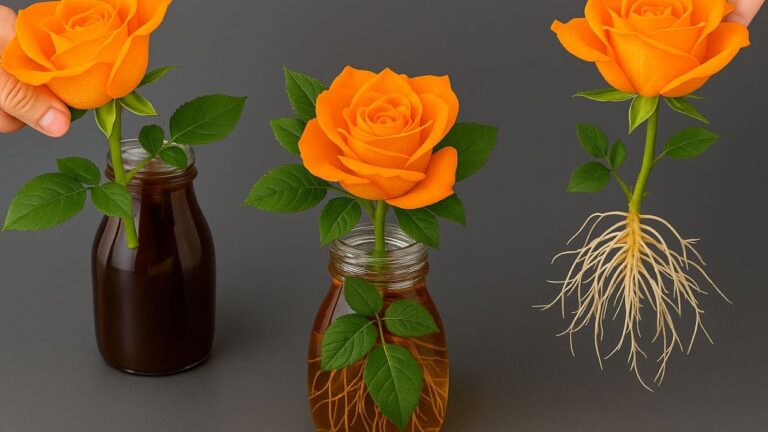
- Place the Cutting: Submerge the cut end of the rose in the water, ensuring the leaves are above the surface.
- Choose a Bright Spot: Position the cup in a location with indirect sunlight to encourage growth.
- Monitor Water Levels: Change the water every few days to keep it fresh and oxygenated.
Timeframe for Growth
In most cases, you can expect roots to begin developing within 2-4 weeks. Be patient! The process may take longer, depending on conditions like temperature and humidity.
Signs of Successful Rooting
Once your cutting has formed roots, you’ll notice new growth emerging from the top. This is a clear indicator that your rose cutting has successfully rooted and is ready for transplanting.
Common Mistakes to Avoid
Even a simple process like rooting a rose cutting can be hampered by a few common missteps. Here are some mistakes to watch out for:
- Using a Weak Cutting: Always choose a healthy, strong rose cutting for the best chances of success.
- Keeping It Too Wet: Avoid overwatering; stagnant water can cause rotting.
- Neglecting to Change Water: Stale water can stifle root growth; aim to refresh it every few days.
- Ignoring Light Conditions: Placing the container in direct sunlight can scorch the cutting; keep it in bright, indirect light.
FAQ
How long does it take for rose cuttings to root?
Typically, rose cuttings can take 2-4 weeks to root, but it may vary based on environmental conditions.
Do I need to use rooting hormone?
While rooting hormone can promote faster growth, it’s not a requirement; many gardeners successfully root without it.
When is the best time to take rose cuttings?
The ideal time for taking cuttings is in the spring or early summer when the plants are actively growing.
Conclusion
Rooting a rose branch in just one cup is a rewarding and straightforward process that allows you to multiply your garden’s beauty. With the right care and attention, you can soon enjoy the vibrant blooms of your propagated roses. What rose varieties are you hoping to propagate in your garden? Share your thoughts in the comments!