The Truth About All-Purpose Potting Mix: A Houseplant’s Worst Enemy
The Truth About All-Purpose Potting Mix: A Houseplant’s Worst Enemy
All-purpose potting soil has been a staple in gardening for years, revolutionizing the way we grow plants. Whether you have a vast garden or a small balcony, it has made gardening accessible to everyone. However, the term “all-purpose” can be quite misleading, especially for houseplant enthusiasts. Is all-purpose potting mix truly suitable for all plants? Let’s dive into the details.
The Origins of Potting Mix
Imagine yourself in the 1950s, aiming to grow a potted gerbera daisy without any of the conveniences we have today. Back then, all-purpose potting mix hadn’t been invented. Instead, gardeners made do with loamy soil from their surroundings, which was fine if they lived near fertile, forested areas.
Fast forward to the 1960s, where Cornell University in upstate New York became the birthplace of the Cornell Mix. Horticulturists James Boodley and Raymond Sheldrake developed a light, fluffy potting mix using:
- Sphagnum peat moss (the main ingredient)
- Vermiculite
- Ground limestone
- A bit of fertilizer
This blend transformed home gardening, offering optimal moisture retention while providing excellent drainage. Over the years, the Cornell Peat-lite Mix evolved into what we know today as “All-Purpose Potting Mix.” Unfortunately, this label has caused confusion for many houseplant lovers.
Understanding Plant Roots
Despite what the name implies, all-purpose potting mix was never intended for houseplants. It was designed for seedlings and bedding plants that possess a robust root system.
Plants such as tomatoes and marigolds extend their roots deep into the ground, creating a vast surface area for nutrient and water uptake. In contrast, most indoor plants are cultivated primarily for their foliage, not for flowers or fruit, and have significantly different root structures.
Many houseplants, including epiphytes like orchids and Christmas cacti, have adapted to grow on trees or rocks rather than in traditional soil. They rely on shallow roots to absorb nutrients and moisture from minimal organic matter and need lightweight soil with abundant air pockets to prevent root rot. Consequently, using all-purpose potting soil can lead to issues with these delicate plants.
Choosing the Right Mix for Houseplants
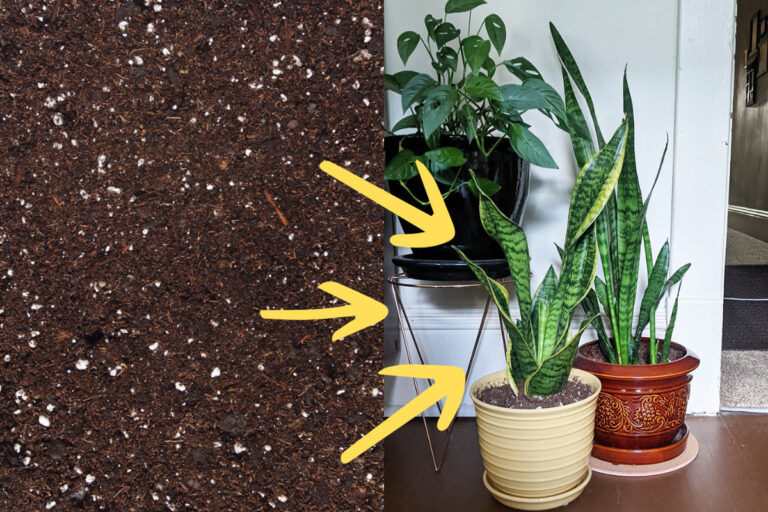
While all-purpose potting mix is lighter than garden soil, it remains too heavy for many houseplants. Instead, consider using potting mixes specifically formulated for aroids or epiphytes. These blends typically contain:
- A higher percentage of perlite or vermiculite
- Fir bark for moisture retention without sogginess
A good rule of thumb when selecting a commercial potting mix is to choose lightweight products. If you pick up a bag and think, “Wow, that’s surprisingly light,” it’s likely a suitable choice for your plants.
If you’re passionate about houseplants, you might prefer mixing your own customized blends. Aim for a combination that drains quickly (like coconut coir or peat moss), includes tiny air pockets (such as perlite), and retains moisture (using vermiculite, fir bark, or a mix of the three).
The Environmental Impact of Peat
Since its inception, all-purpose potting mix has historically included peat moss, a staple in horticulture long before the Cornell mix. However, recent understanding of the environmental ramifications of peat harvesting has raised concerns.
Harvesting peat moss leads to severe ecological damage, including the destruction of delicate habitats and the release of stored carbon. Considering these negative impacts, it’s advisable to seek out houseplant mixes that incorporate coconut coir as a more sustainable alternative to peat moss.
Conclusion
All-purpose potting mix may have revolutionized gardening in the past, but it is not suitable for most houseplants. Understanding the specific needs of your indoor plants can make a significant difference in their growth and health. Opting for the right potting mix not only promotes vibrant plant life but is also a more sustainable choice for our environment.