What Does Compartment 3 of Your Washing Machine Really Do?
What Does Compartment 3 of Your Washing Machine Really Do?
Almost every household has a washing machine, providing an efficient way to clean laundry with minimal effort. However, some users may not fully understand how to operate it effectively, particularly when it comes to the functionality of its third compartment. Let’s explore its purpose and how to make the most of it.
Understanding Your Washing Machine’s Compartments
Most washing machines feature three distinct compartments, yet many people are unaware of their specific functions. It’s essential to clarify the use of each compartment to avoid common mistakes that could affect washing quality.
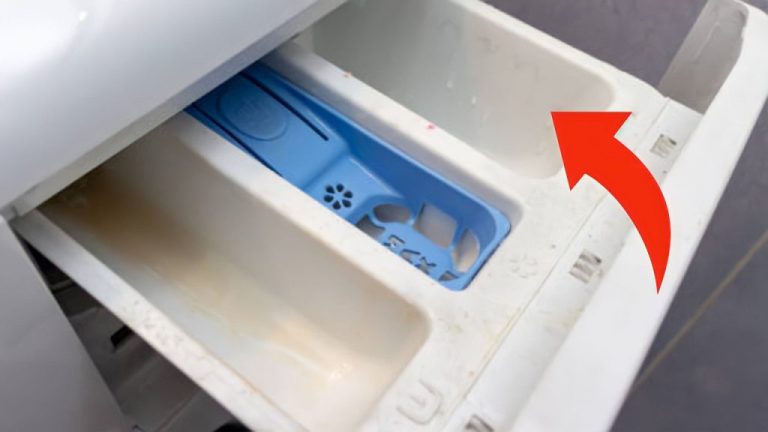
Compartment 3: The Softener Section
Identified by a clover symbol, the third compartment is designated for fabric softeners. Instead of using conventional fabric softeners, you can opt for white vinegar mixed with a small amount of conditioner. White vinegar not only softens fabrics but also helps prolong the lifespan of your laundry.
Compartment I: Pre-Wash Detergent
The compartment marked with the “I” symbol is for pre-wash detergent, useful for heavily soiled clothes. However, its use is not mandatory, as it requires a substantial amount of water, which may not be environmentally friendly. If you choose to use this compartment, consider using white vinegar instead of detergent, as it also acts as an effective scale remover.
Compartment II: Main Wash Detergent
The compartment marked with “II” is reserved for the main wash detergent. It is critical to use the correct compartment for optimal washing results. These compartments are more commonly found in front-loading machines, unlike top-loading machines, which may have only two or none.
What Happens If You Use the Wrong Compartment?
If you use the incorrect compartment in your washing machine, your clothes may not be cleaned effectively. The machine’s efficiency can be compromised; for example, adding detergent to the wrong section can lead to inadequate washing.
If detergent is poured into the fabric softener compartment, your fabrics won’t wash properly, leaving stains behind. This means that detergent is only released at the end of the cycle, making the washing process suboptimal for your clothes.
Top-Loading Machines
If you have a top-loading washing machine, it typically doesn’t have compartments. Instead, detergent should be poured directly into the drum. Ensure you follow the recommended dosage for the product. You can also add fabric softener later, when loading the laundry into the machine.
It’s not advisable to load clothes into the washing machine before adding detergents and softeners, as this can stain your garments.
Conclusion
Understanding the function of each compartment in your washing machine is crucial to avoid common laundry mishaps. By properly utilizing these compartments, you can ensure your clothes are washed effectively and remain in good condition for a longer time.