7 Essential Bird Feeding Tips for a Thriving Backyard in Fall
7 Essential Bird Feeding Tips for a Thriving Backyard in Fall
As summer transitions into autumn, significant changes occur in the lives of our feathered friends. While some species prepare for migration, others get ready to weather the colder months. Maintaining a suitable diet and environment is crucial for the birds visiting your yard during this seasonal shift.
Understanding Changing Dietary Needs
Throughout summer, birds feast on high-protein insects and fresh berries, essential for nurturing their young. However, as autumn sets in, the diet shifts dramatically. With insects becoming scarce, birds need to pack on weight and store energy for migration or the long winter ahead. They often turn to seeds and nuts, which provide high fat and carbohydrate content, especially migratory species that consume large quantities.
Feeding Birds Does Not Prevent Migration
A common myth is that feeding backyard birds hinders migratory species from leaving. In reality, migration is wired into their biology, and no amount of seed will keep them in one place. However, having food available on their migratory routes can support them during their travels.
The Phenomenon of Hyperphagia
As seasons change, migratory birds experience hyperphagia, an extreme hunger triggered by hormonal shifts. They consume vast amounts of food, sometimes doubling their body weight to prepare for their long journeys.
The Importance of Caching
In anticipation of winter, many birds begin storing food. They hide seeds and nuts in various locations—within tree crevices, under leaves, and in the ground—ensuring they have enough nutrition during lean winter months. Species like chickadees, blue jays, nuthatches, and titmice exhibit this caching behavior.
With this intense activity, fall often becomes the busiest season at your feeders. Here are some tips to help local birds thrive as temperatures drop.
1. Keep Those Feeders Topped Up
Due to hyperphagia and caching, birds require extra food to prepare for winter. Regularly check and refill your feeders to ensure a consistent food supply. Offering various feeder types filled with different foods attracts diverse species. To prevent spoilage, replenish feeders more often with smaller amounts of food based on consumption levels.
2. Offer High-Energy Food
During fall, birds need high-energy options rich in carbohydrates and fats. Consider providing:
- Sunflower seeds (shelled or unshelled)
- Peanut butter
- Suet cakes (easily made at home)
- Peanuts
- Thistle seeds
- Raisins
- Cracked corn
Engage young ones in birdwatching by crafting easy birdseed ornaments together. Hang them around your yard while taking note of the various birds you see!
3. Maintain Hummingbird and Oriole Feeders
As you prepare your yard for fall, resist the urge to remove hummingbird and oriole feeders. Despite their winter migration, many other birds passing through will appreciate finding nourishment on their journey. Keeping these feeders clean and stocked could make your yard a vital stop for tired travelers.
4. Continue Providing Fresh, Clean Water
A birdbath is an excellent way to attract birds year-round. Fresh water is essential even during fall. Installing a birdbath heater will keep water accessible, even in freezing temperatures. Remember to clean the bath regularly to prevent avian diseases.
5. Fall Tidying Do’s & Don’ts
Cleaning out nest boxes in the fall is beneficial as birds vacate them. This ensures they remain safe for the next generation. Store them indoors to protect them from the elements until spring.
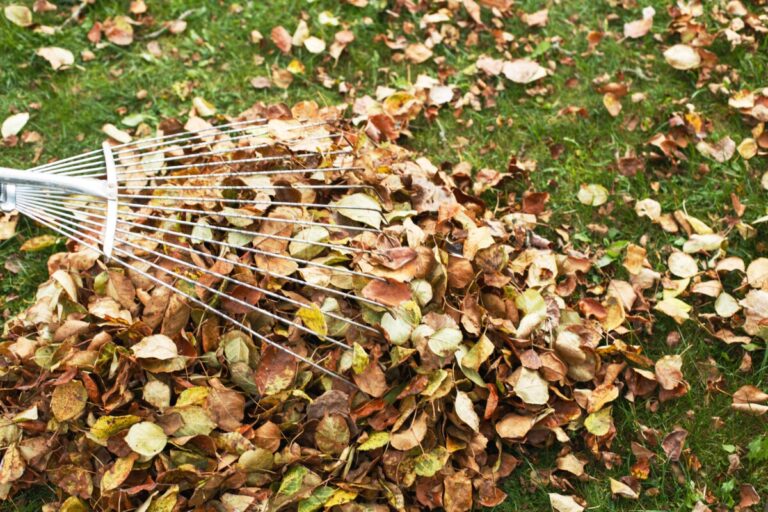
However, when tidying your yard, consider leaving some areas a bit messy. Retaining flowers that have gone to seed provides a food source, and leaving piles of leaf litter or dead plant matter creates habitats for insects that birds will feast on throughout winter.
6. Provide Extra Food During Bad Weather
When harsh weather is forecasted, remember your backyard visitors. Before storms hit, ensure feeders are filled, as birds require energy to withstand cold temperatures. Keeping food available helps their survival during challenging conditions.
7. Consider Planting Wintertime Food
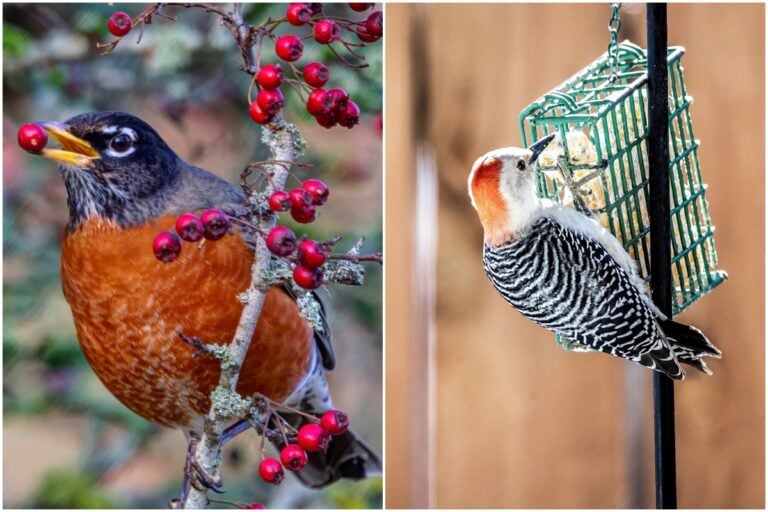
Winter berries are a favorite among birds. Consider planting trees that bear fruit in winter to attract birds and enhance your backyard’s beauty during the colder months.
Conclusion
This fall, remember to care for your avian neighbors. Fill feeders, provide water, and create a welcoming environment for birds visiting your yard. Make time to relax with a warm cup of tea and enjoy watching the lively activity at your feeders!