The Secret to Making Your Peace Lily Bloom Beautifully
The Secret to Making Your Peace Lily Bloom Beautifully
Are you wondering why your peace lily isn’t blooming? This is the most common concern among those who own this beloved houseplant. Although numerous articles online attempt to address this question with tips and tricks, they often overlook key insights that expert plant breeders have known since the 1980s.
Understanding the Peace Lily
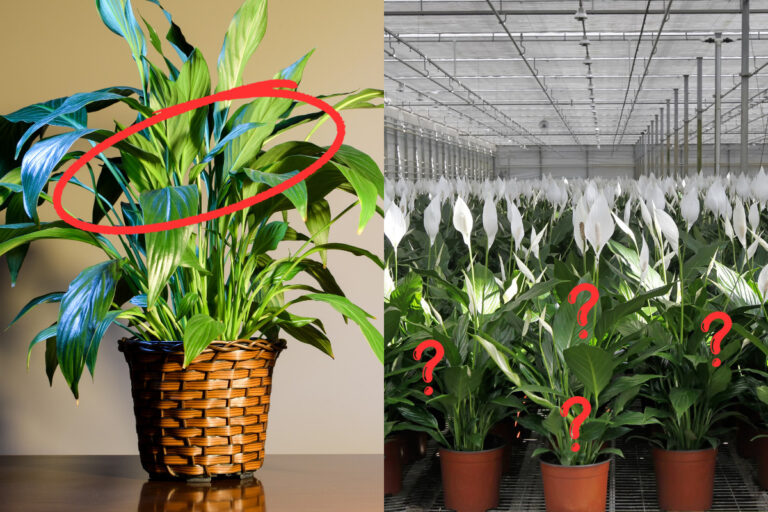
The peace lily, scientifically known as Spathiphyllum, is a monocot flowering plant, essentially a type of grass that blooms. Many houseplant owners already have plenty of foliage varieties like Monstera deliciosa and pothos, but the allure of the peace lily lies in its stunning white blooms.
Those elegant blooms aren’t traditional flowers; instead, the white ‘petal’ is a modified leaf called a spathe. This bract serves a reproductive purpose by attracting pollinators and protecting the plant’s reproductive organ, the spadix. The spadix, which can be white, green, or yellow, is what you typically think of as the flower.
Peace lilies are often marketed as beginner-friendly due to their adaptability to medium-light conditions and straightforward watering needs. However, while these plants can thrive for decades with proper care, that doesn’t necessarily mean they will bloom consistently.
A Brief History of Peace Lily Cultivation
Up until the 1980s, flowering peace lilies were limited in availability, as growers took an entire year to nurture them to maturity. They marketed peace lilies primarily for their foliage, emphasizing the lush, glossy leaves over the occasional bloom.
As demand increased, breeders sought to develop cultivars that would bloom continuously. However, since blooms occurred only during a short window each year, this posed a challenge. The breakthrough came with the discovery of a plant hormone called gibberellic acid (GA) that could induce blooming. This allowed growers to produce smaller, flowering specimens more easily.
Limitations and Continued Research
Despite the advantages of using GA, it had drawbacks, including malformed flowers and narrow new leaves. As costs for chemicals rose, breeders returned to studying environmental factors. Their findings revealed that:
- Peace lilies need to reach maturity, typically between 9 to 15 months, to bloom naturally.
- Some cultivars only bloom in spring and summer, regardless of light and fertilizer.
- A consistent temperature of around 72°F is required for bloom development.
Adjusting Expectations
Many people search for ways to make their peace lily bloom again. However, it’s essential to consider whether a peace lily is genuinely a “flowering” plant. The industry has worked hard to market these plants as such, but they share more similarities with their foliage-focused relatives like Monstera deliciosa.
Just as Monstera flowers in difficult environmental conditions, peace lilies are also more compatible with their foliage traits. Therefore, you need to manage your expectations regarding their blooming patterns.
Key Factors for Encouraging Blooms
If you want your peace lily to bloom again, focus on the following critical factors:
Maturity
Peace lilies only bloom when they’ve matured, generally within 9 to 15 months. Older plants may also stop blooming entirely. If you’ve had your peace lily for a long time, its age could be the reason for the lack of blooms.
Temperature & Light
Peace lilies thrive at temperatures between 70-75°F and benefit greatly from bright, indirect sunlight for 10-12 hours a day. As direct sunlight can scorch their leaves, consider using grow lights if necessary.
Cultivar Blooming Frequency
Be aware that some cultivars are seasonal, blooming only once a year, while others may have a multi-seasonal bloom pattern but not continuous blooms.
The Most Important Factor: Patience
Blooming can take anywhere from 70 to 110 days. Even in cultivars known for continuous blooms, you can expect to see only sporadic flowers. Remember, these plants were initially designed to be foliage plants, not just blooming ones.
With a little patience and consistent care, your peace lily can bloom again. In the meantime, enjoy the rich emerald green foliage, and you may be pleasantly surprised when a bloom appears naturally.
Conclusion
While it can be frustrating to navigate the blooming habits of your peace lily, understanding its needs and adjusting your expectations can lead to a rewarding experience. Embrace the beauty of both its leaves and the occasional bloom, and remember to enjoy the journey of nurturing your plant.