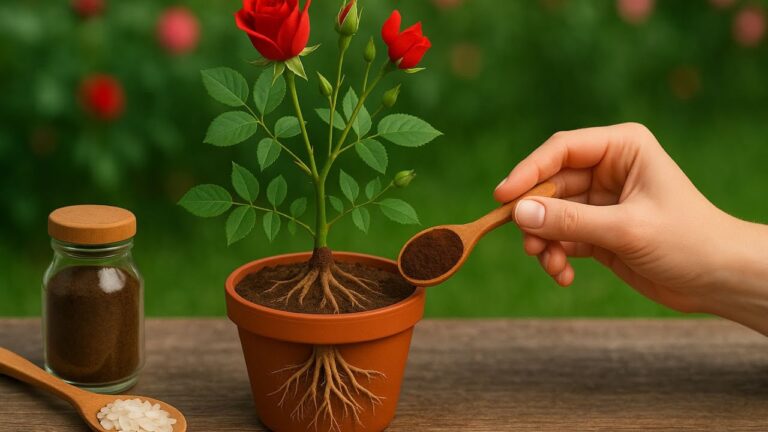

Root 1 Cup of Rose Cuttings for Year-Round Blooms – Try This Easy Method!
Rooting Rose Cuttings for Year-Round Blooms: An Easy Guide
- Introduction
- Preparing Your Cuttings
- Planting Techniques for Roses
- Care and Maintenance
- Common Mistakes When Rooting Roses
- FAQ
Introduction
If you’ve ever admired the vibrant blooms of roses, you may have wondered how you can replicate that beauty in your own garden. The good news is that rooting rose cuttings is not only a fulfilling gardening project but also an economical way to expand your garden. However, many people struggle with this process and may feel overwhelmed by the various steps involved. But don’t worry; by following some straightforward techniques, you can easily achieve stunning results. Keep reading to discover how you can ensure your rose cuttings thrive and provide you with year-round blooms.
Preparing Your Cuttings
The first step in rooting rose cuttings is to select the right stems. This will set the foundation for a successful propagation. Here’s how to prepare your cuttings effectively:
1. Selecting the Right Stems
- Choose healthy, non-flowering stems — Look for stems that are flexible, have no blemishes, and are approximately six inches long.
- Make a clean cut — Use sharp, sanitized pruning shears to take your cuttings. Cut just below a leaf node to encourage root growth.
2. Preparing the Cuttings
After cutting your stems, it’s important to prepare them for rooting:
- Remove excess leaves — Trim away lower leaves to minimize moisture loss.
- Dip in rooting hormone — This can greatly improve your chances of success.
Planting Techniques for Roses
1. Using Soil for Planting
- Choose the right potting mix — Use a sterile mix that drains well.
- Plant your cuttings — Create small holes in the soil, place the cuttings in, and gently pat the soil around them to secure.
2. Alternative Techniques
You can also consider these creative options:
- Water propagation — Place the cuttings in a glass of water, ensuring the leaf nodes are submerged, and wait for roots to develop.
- Use a plastic bag — Cover the cutting with a plastic bag to create a mini-greenhouse effect, maintaining humidity.
Care and Maintenance
1. Watering Techniques
- Water lightly — Ensure the soil stays slightly moist, but avoid overwatering.
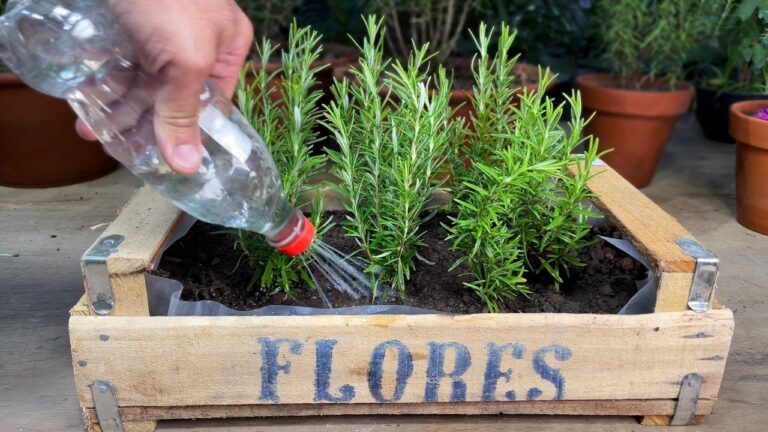
- Use a spray bottle — This helps maintain humidity without flooding the cuttings.
2. Providing Adequate Light
Your cuttings will thrive best in the following conditions:
- Bright, indirect sunlight — Too much direct sunlight can scorch the leaves.
- A warm environment — Aim for temperatures between 65°F and 75°F to encourage root growth.
Common Mistakes When Rooting Roses
- Using unhealthy cuttings — Always select stems that are free from disease or pests.
- Overwatering — Too much moisture can lead to rot, so monitor the soil carefully.
- Neglecting humidity — Failing to maintain humidity can hinder root development.
FAQ
What type of rose is best for cuttings?
Hybrid tea roses are often recommended for beginners, as they root easily and yield beautiful blooms.
How long does it take for rose cuttings to root?
Typically, you can expect roots to develop within four to six weeks if cared for properly.
Can I use regular garden soil for rooting?
It’s advisable to use a sterile potting mix, as regular garden soil may contain pathogens that can harm your cuttings.
Conclusion
Rooting rose cuttings can be a rewarding journey, allowing you to enjoy beautiful blooms year-round. By selecting healthy cuttings and providing them with appropriate care, you can foster their growth successfully. What types of roses are you hoping to propagate in your garden?