
22 Essential Tips Every Orchid Owner Must Know
22 Essential Tips Every Orchid Owner Must Know
Orchids are increasingly found in garden centers and even grocery stores, yet they still carry an air of mystery. Their elegant shapes and vivid colors can be daunting for new plant owners, but this perception is misleading. With the right care, orchids thrive much more easily than many believe. Here’s an essential guide for both novice and seasoned orchid enthusiasts.
1. A Diverse Family
Orchids are the largest family of flowering plants, boasting over 25,000 species worldwide. Found on every continent except Antarctica, these fascinating flowers flourish in a variety of ecosystems, from tropical rainforests to deserts.
2. The Vanilla Connection
Did you know that vanilla is actually derived from an orchid? This vine-like plant is the only commercially cultivated orchid crop that produces the flavorful pods we all know and love.
3. The Challenges of Growing from Seed
Despite their ancient lineage, orchids are notoriously difficult to grow from seed. A single seed pod can yield up to three million seeds, but these minuscule seeds require special fungal strains to germinate, often taking several years before they bloom.
4. The Victorian Obsession
In the Victorian era, orchids sparked fervor among collectors, leading to exorbitant prices for rare varieties. Unfortunately, many experienced heartache as they struggled with orchid care and watched their prized plants wither away.
5. Natural Habitat
Orchids typically grow in one of two ways: as epiphytes (air-growers) or terrestrials (ground-growers). Most tropical varieties thrive in trees, drawing moisture and nutrients from the air, while others grow in soil.
6. Hypoallergenic Flowers
If you have allergies, orchids could be a suitable choice. Their pollen is not airborne and is found in waxy packets, minimizing the likelihood of allergic reactions.
7. Aerial Roots
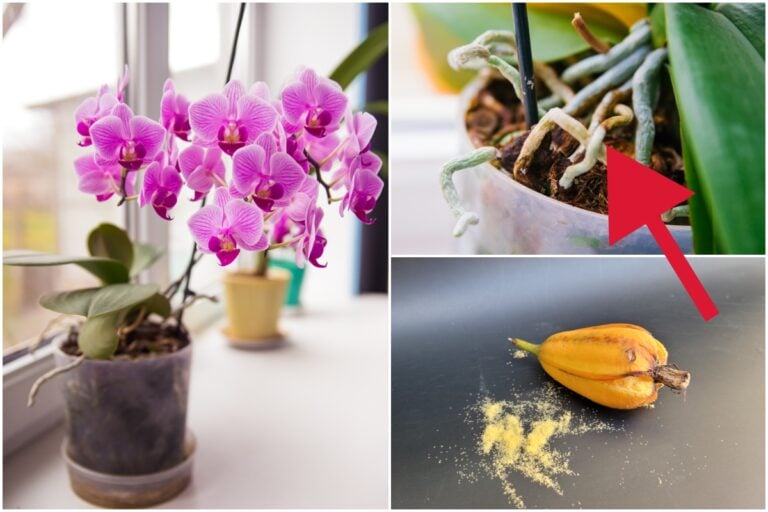
It’s common for orchids to have exposed roots. This is a natural adaptation that allows them to derive extra moisture from the air. Mist these roots occasionally to promote a healthy plant.
8. Start with Moth Orchids
Phalaenopsis, commonly known as moth orchids, are excellent for beginners. They’re easy to clone, resilient, and can bloom for months, providing long-lasting beauty to your home.
9. Repotting Guidelines
Orchids prefer to be slightly root-bound, so resist the urge to repot them unless the roots are fully extending from the pot or if they are growing in sphagnum moss. Always wait until the flowers are fading before repotting.
10. Longevity of Blooms
Unlike most flowers that last only a few weeks, orchid blooms can last for months, making them a worthwhile investment for your home décor.
11. Be Cautious with Fertilizer
Over-fertilization is a common mistake among orchid owners. Use diluted orchid fertilizer and apply it sparingly. Skip fertilizing during dormancy and when buds first appear.
12. Temperature Fluctuations
Orchids thrive with mild temperature fluctuations, so placing pots near windows can help. This change is vital for encouraging blooming after dormancy.
13. Watering Needs
Your orchids require less water than you might think. Water them weekly, and check the potting mix first. If it still feels moist, wait another day before watering.
14. Ice Cubes as a Watering Method
Using ice cubes to water orchids is debated, but studies show no negative effects on orchid health. Just ensure the ice doesn’t touch the leaves to avoid cold damage.
15. Foster Humidity
Orchids thrive in humid environments. Bathrooms and kitchens are ideal placements, or you can use a pebble tray to boost humidity levels around your plants.
16. Know Your Orchid’s Temperature Preference
Orchids generally fall into three temperature categories: warm, intermediate, and cool-growers. Knowing your orchid’s preference will help ensure it thrives.
17. Lighting Requirements
Orchids prefer bright, indirect sunlight. Avoid placing them in direct summer sun, as this can scorch their leaves. If natural light is insufficient, consider using artificial grow lights.
18. Understanding Dormancy
Orchids naturally enter a dormant phase, and it’s normal for them to rest for extended periods. Reduce fertilization during this time to promote healthy growth.
19. Attend Orchid Clinics
If your orchid is struggling, consider attending an orchid clinic for expert advice. Many nurseries and garden centers offer these clinics, but be sure to book in advance.
20. Preventing Pests and Diseases
Orchids are generally resilient to pests and diseases. Ensure good air circulation with a fan or open window to prevent moisture buildup that attracts unwanted problems.
21. Monitoring Root Health
Orchid roots are often visible above the soil, providing a good indication of plant health. Limp, brown, or black-tipped roots can indicate issues ranging from overwatering to too much fertilizer.
22. The Long Life of Orchids
With proper care, orchids can rebloom year after year, often for decades. Don’t despair when flowers fade; with the right nurturing, your orchid can thrive again.
Conclusion
Owning and caring for orchids can be a rewarding journey filled with beauty and charm. By following these essential tips, you can ensure your orchids thrive and re-bloom, adding elegance to your home for years to come.