
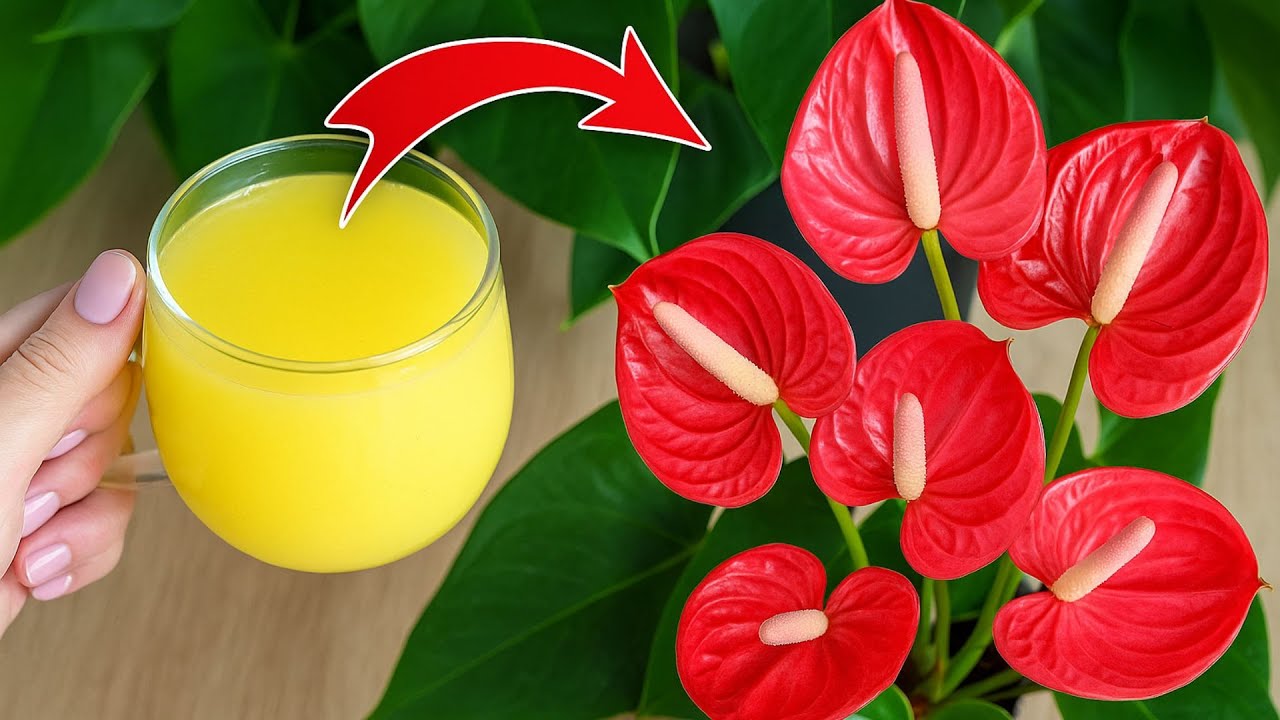
Grow Bustling Anthurium with Just 1 Cup: 7 Tips for Faster Blooms!
Grow Bustling Anthurium with Just 1 Cup: 7 Tips for Faster Blooms
- Introduction
- Choosing the Right Potting Mix
- Light and Temperature Requirements
- Watering Techniques
- Fertilizing for Success
- Common Mistakes to Avoid
- FAQ
- Conclusion
Introduction
Picture this: you’ve just brought home a beautiful Anthurium, full of potential for vibrant blooms, but weeks pass and it seems to be dragging its feet. You follow all the care instructions diligently, yet those gorgeous flowers remain elusive. If you find yourself in this situation, you’re not alone. The key to stimulating faster blooms lies in a few essential tips tailored specifically for these stunning plants. Let’s delve into what you can do to encourage your Anthurium to flourish.
Choosing the Right Potting Mix
A crucial factor in caring for your Anthurium is selecting the appropriate potting mix. The right soil can enhance drainage and provide necessary nutrients.
1. Ingredients for Optimal Soil
- Combine peat moss, pine bark, and perlite for a balanced mix.
- Avoid compact soils that retain too much water.
- Consider pre-mixed potting soil for orchids, as it often contains beneficial ingredients.
2. Should You Repot?
If you notice your Anthurium outgrowing its pot, repotting into a larger container with fresh soil can invigorate its growth and support blooming.
Light and Temperature Requirements
Understanding your plant’s preferences for light and temperature is vital for fostering blooms.
1. Ideal Light Conditions
- Place your Anthurium in bright, indirect light.
- Avoid direct sunlight that can scorch the leaves.
2. Temperature Considerations
Maintain a warm environment with temperatures between 65°F to 85°F (18°C to 29°C). Avoid cold drafts and sudden temperature changes, as these can hinder blooming.
Watering Techniques
Effective watering strategies are essential for keeping your Anthurium happy and helping it bloom.
1. Frequency and Method
- Water when the top inch of soil feels dry to the touch.
- Ensure excess water drains out to prevent root rot.
2. Water Quality
Use distilled or rainwater for your Anthurium whenever possible, as tap water can contain chemicals that may hinder growth.
Fertilizing for Success
Proper fertilization promotes stronger growth and encourages blooms.
1. Type of Fertilizer
- Choose a balanced, water-soluble fertilizer with equal parts nitrogen, phosphorus, and potassium.
- Consider fertilizers specifically designed for flowering houseplants.
2. Timing Your Fertilization
Fertilize every 4-6 weeks during the growing season, and reduce or stop during the winter months when the plant’s growth slows.
Common Mistakes to Avoid
Even seasoned plant care enthusiasts can make mistakes when caring for Anthurium.
- Overwatering leads to root rot, a primary cause of plant decline.
- Neglecting to check for pests can lead to infestations that hamper growth.
- Ignoring leaves turning yellow, which may indicate improper light or watering issues.
FAQ
Q: How often should I water my Anthurium?
A: Water your Anthurium when the top inch of soil feels dry, generally every 1-2 weeks, depending on environmental conditions.
Q: What should I do if the leaves turn yellow?
A: Yellowing leaves may indicate overwatering, improper light, or nutrient deficiencies. Assess these factors to adjust care.
Q: How long does it take for Anthurium to bloom?
A: Depending on care, Anthuriums typically begin to bloom several months after you start following the proper care routine.
Conclusion
By understanding how to care for your Anthurium properly, you can create a thriving plant that rewards you with beautiful blooms. Remember to share your experiences or any tips you’ve learned in the comments below.