
The Secret to Getting Your Orchid to Bloom Again
The Secret to Getting Your Orchid to Bloom Again
Orchids have become one of the most popular houseplants, thanks to advancements in breeding practices that make them widely available. Their stunning blooms can last for months, adding beauty to any space. However, when the flowers fade, many people mistakenly discard their orchids, not realizing that with the right care, these plants can rebloom and thrive for years.
About Orchids
There are approximately 28,000 species of orchids, but the phalaenopsis orchid, commonly known as the “moth orchid,” is the most popular choice for indoor gardening. Known for their broad, flat leaves that grow on opposite sides of the stem, these orchids are favored for their ease of care and impressive flowering capabilities. However, they typically bloom once a year and require proper conditions to rebloom indoors.
When to Initiate Orchid Reblooming
Phalaenopsis orchids originate from Southeast Asia and Australia, where they bloom once each year in late spring. To encourage reblooming indoors, you’ll need to replicate these conditions, starting as soon as the existing flowers begin to fade. With the right care, you can expect new blooms within three to six months. The first step is allowing the plant to enter dormancy.
Dormancy is crucial for replenishing the orchid’s nutrients and energy reserves, generally lasting around six to nine months. Make sure to remove any wilting blooms promptly, as they emit ethylene gas, which accelerates the wilting of nearby flowers. Additionally, keep your orchids away from the kitchen, where ethylene from ripening fruit can further affect their longevity.
Orchid Spike Care
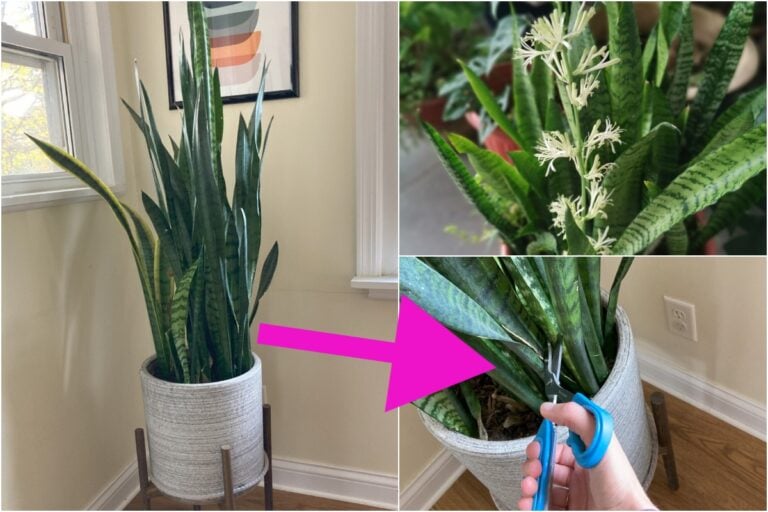
After the flowers wither, the flower spike remains, which is where new buds will form. If the spike appears green, cut it about one inch above the first node below the lowest bloom. Be cautious not to cut too low, as this can hinder future flower production.
If the spike is brown, trim it at the base of the plant, as most orchids won’t produce new growth on brown spikes. For orchids with double spikes, you can trim one spike above the first node and cut the other at the base. Although it may take longer for blooms to form, this method strengthens the new flower spike.
Choose a Cooler Space
Orchids require cooler temperatures to encourage blooming. Replicate their natural habitat by providing nighttime temperatures between 55-65°F. You can easily achieve this by placing the plant near a window to benefit from the evening chill. If possible, allow the pot to spend a few nights outside to experience cooler weather.
Once you see a new spike forming, relocate the orchid to a warmer area with higher humidity, ideally between 65-85°F, and ensure it gets plenty of bright, indirect light.
Refrain from Overwatering
Contrary to popular belief, orchids do not require frequent watering. As epiphytes, they thrive in their natural habitats by absorbing moisture from the air rather than relying solely on soil. During dormancy, it’s crucial to keep your orchid hydrated, but be careful not to overwater, as this can lead to root rot.
Water your orchid only when the top of the soil feels dry, and always empty the drip trays to prevent waterlogged roots. Checking the roots can also help; green roots indicate adequate moisture, while gray roots signal dehydration. As a tip, watering orchids with ice cubes is a suitable method, though not necessary.
Use Fertilizer (Sparingly)
To encourage reblooming, a small amount of orchid-specific fertilizer can be beneficial. Use a bloom-boosting fertilizer diluted to half or even a quarter of its strength, applying it twice a month for best results.
Stake the Spike
As the flower spikes grow, they can become heavy and may require support. Use a bendable stake to guide the plant in your preferred shape and avoid any top-heavy issues.
Be Prepared to Wait…Even Years
While orchids can bloom multiple times a year, they are sometimes unpredictable. For instance, a flowering orchid received in late 2021 didn’t show signs of new blooms until spring 2023. However, the wait proved worthwhile, as the blooms were just as stunning as the first time and remained vibrant for months.
If your orchid remains stubborn despite following these tips, consider increasing the fertilizer dosage and placing it in a slightly cooler environment. The plant may just need a little extra encouragement to transition out of dormancy and into the blooming phase.
Conclusion
With proper care and patience, your orchid can thrive and rebloom, bringing beauty to your home for years. Follow these steps carefully to give your moth orchid the best chance at producing stunning flowers again.