This simple trick transforms kitchen scraps into a thriving celery garden…
This Simple Trick Transforms Kitchen Scraps into a Thriving Celery Garden
Why Purchase Celery When You Can Grow It?
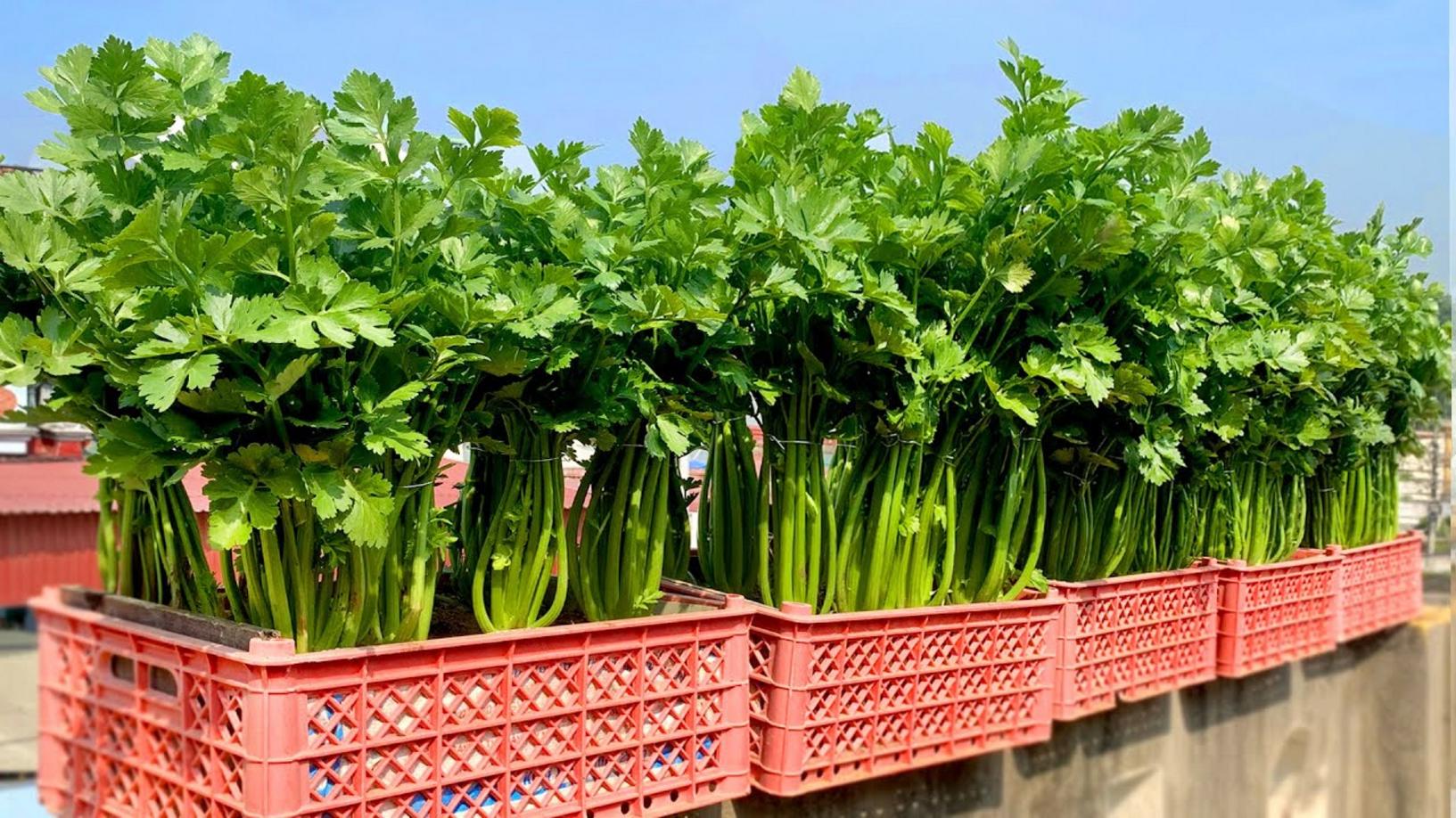
If you find yourself frequently buying celery from the market, it’s time to change that. Growing celery at home is not only cost-effective but also incredibly rewarding. By using just a few kitchen scraps, you can cultivate a lush celery garden. Let’s dive into this simple trick!
Step-by-Step Guide to Grow Celery from Scraps
1. Gather Your Celery Scraps
Start with the base of a fresh celery stalk. Once you’ve used the tops in your cooking, save the bottom two to three inches. This is where the magic begins!
2. Prepare Your Container
Choose a shallow container or a bowl filled with a little water. Make sure the bottom of the celery base is submerged in the water, but the leaves are above the surface. This allows the roots to absorb the water they need to grow.
3. Find the Right Spot
Place your container in a warm, sunny area. Celery loves light, so a windowsill is ideal. Change the water every few days to keep it fresh and encourage root development.
4. Transfer to Soil
After about a week, you should see roots emerging. At this stage, it’s time to plant your celery in nutrient-rich soil. Choose a spot in your garden or a large pot if you’re gardening indoors.
5. Water and Maintain
Once planted, water your celery regularly to keep the soil moist but not soggy. Celery thrives in wet conditions, so don’t let it dry out!
6. Harvest with Joy
After about three to four months, your celery will be ready to harvest! Cut the outer stalks first, allowing the inner ones to continue growing for future harvests.
Practical Tips for Success
- Choose fresh celery: The fresher your starting scraps, the better your results will be.
- Soil quality matters: Enrich your soil with compost to provide essential nutrients.
- Be patient: Celery is a slow grower, but the wait is worth it!
- Keep pests away: Monitor your plants regularly for any signs of pests or diseases.
Common Mistakes to Avoid
- Overwatering: Too much water can lead to root rot, so ensure proper drainage.
- Poor lighting: Celery needs plenty of light, so avoid dark or shaded areas.
- Neglecting space: Don’t overcrowd your celery plants; give them enough room to grow.
Conclusion: Start Your Celery Garden Today!
Now that you have the tools to transform your kitchen scraps into a **thriving celery garden**, it’s time to take action! By following these simple steps, you can enjoy fresh, organic celery right from your own backyard. Say goodbye to the grocery store and hello to homegrown goodness!
Don’t wait any longer—grab your celery scraps and start growing today!