8 Warning Signs Your Body Sends 1 Month Before a Heart Attack You Must Know!
8 Warning Signs Your Body Sends 1 Month Before a Heart Attack You Must Know
- Introduction
- Understanding Heart Health
- Warning Signs to Watch For
- Common Mistakes in Recognizing Symptoms
- FAQ
- Conclusion
Introduction
Many people go about their daily lives, completely unaware that their bodies might be sending out crucial warning signals. Imagine feeling unusually fatigued or experiencing discomfort in your chest without linking it to something serious. These physical cues could be early indicators of heart issues that sometimes emerge weeks before a heart attack strikes. By recognizing these signs, you have an opportunity to act and protect your heart health. So, let’s delve deeper into what to look out for.
Understanding Heart Health
Maintaining heart health involves recognizing the signs your body shares and understanding what factors may contribute to heart disease.
Know Your Heart
Your heart is responsible for pumping blood throughout your body, delivering oxygen and nutrients to organs and tissues. An understanding of how it works can help you monitor your own heart health.
Risk Factors
- Age: The risk increases with age.
- Genetics: Family history can play a major role.
- Lifestyle choices: Diet, exercise, and smoking habits matter.
Regular Check-Ups
Ensure you have regular check-ups to evaluate your heart health. These appointments can help manage any underlying issues before they escalate.
Warning Signs to Watch For
Being in tune with your body can help you identify warning signs that may indicate potential heart problems.
1. Unusual Fatigue
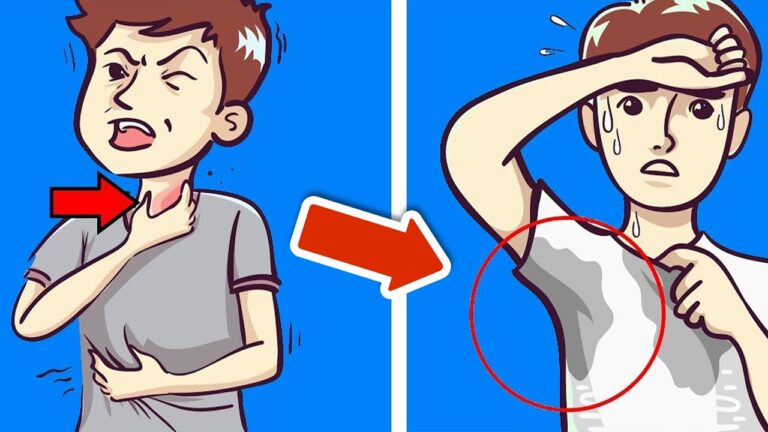
Feeling tired without a clear reason? This could be an early warning sign of heart issues. Listen to your body and consider your recent activities.
2. Chest Discomfort
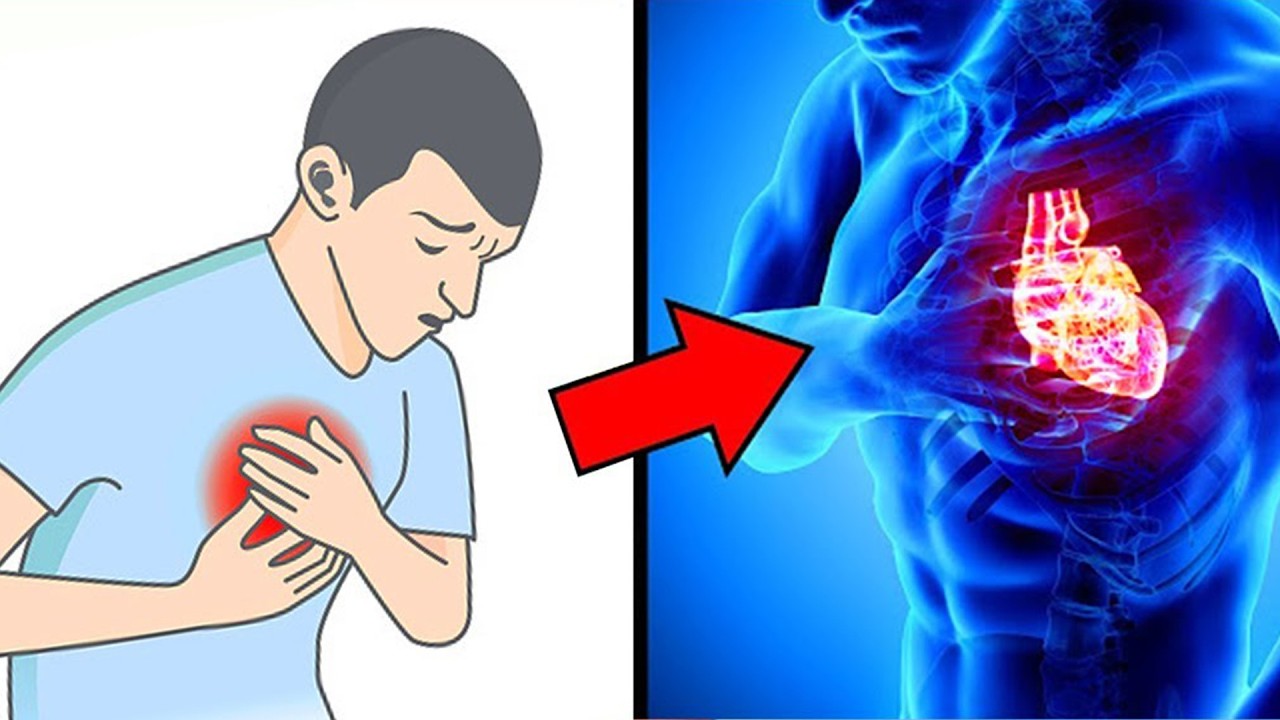
While occasional chest pain may not always mean heart trouble, persistent discomfort should never be ignored. Pay attention to how you feel, especially if it’s accompanied by other symptoms.
3. Shortness of Breath
Are you finding it difficult to breathe normally during activities? This could signify heart stress or other health issues. Consider consulting with a medical professional.
4. Heart Palpitations
If you notice irregular heartbeat patterns, keep a journal of your experiences. This could aid in discussing symptoms with your doctor.
5. Swelling in Extremities
Swelling in your ankles, legs, or abdomen can be a sign that your heart isn’t functioning as well as it should. Monitor any sudden changes and consult your doctor.
Common Mistakes in Recognizing Symptoms
Even the most attentive individuals can overlook critical signs. Understanding common mistakes can help you better manage your health.
1. Ignoring Minor Symptoms
Many tend to dismiss minor aches or discomfort, thinking they are just stress-related. However, consistently ignoring such symptoms can lead to serious consequences.
2. Delay in Seeking Help
Procrastinating in getting medical advice may worsen your condition. Early intervention can lead to better outcomes.
3. Assuming Symptoms Are Age-Related
While aging can affect health, equating every issue to age can prevent timely treatment. Stay proactive about unusual changes.
4. Reliance on Online Self-Diagnosis
Using online resources for diagnosis can be misleading. Professional medical advice should always be prioritized over internet research.
- Keep a detailed record of your symptoms.
- Investigate familial heart issues.
- Stay informed about your personal risk factors.
FAQ
What are the first signs of a heart attack? Common first signs include chest discomfort, fatigue, and shortness of breath. Always consult with medical professionals if you experience these symptoms.
Can stress cause heart problems? Yes, chronic stress can lead to unhealthy habits and increase the risk of heart disease, particularly if it persists over time.
Is it possible to prevent heart attacks? Absolutely! Regular exercise, a balanced diet, and routine medical check-ups can significantly lower the risk of heart attacks.
Conclusion
Being aware of the warning signs your body sends out can empower you to make informed decisions about your heart health. Regularly monitor your body and don’t hesitate to seek help if you notice any concerning symptoms. What changes have you made to prioritize your heart health? Feel free to share your thoughts in the comments below.