8 Surprising Health Issues to Check If You Talk in Your Sleep!
8 Health Concerns Linked to Sleep Talking
- Introduction
- Understanding Underlying Causes
- Impact on Sleep Quality
- Health Implications of Sleep Talking
- Mistakes to Avoid
- FAQ
- Conclusion
Introduction
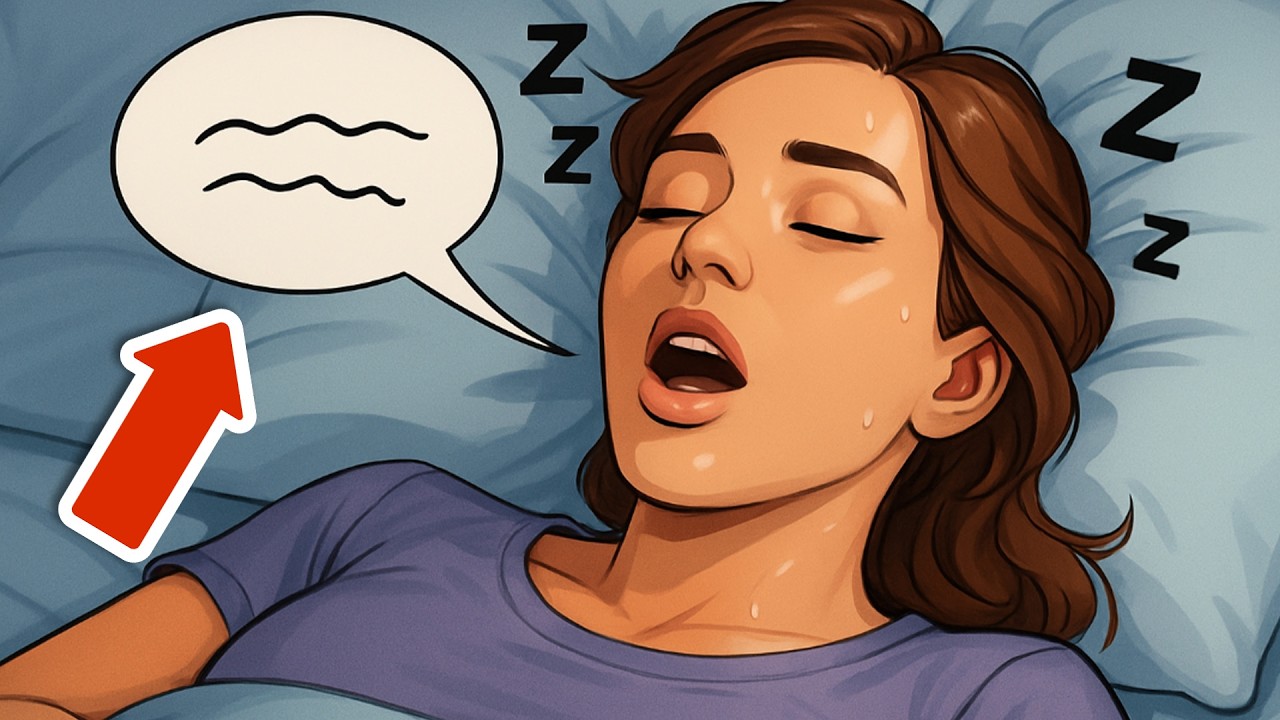
Have you ever woken up to someone telling you that you were talking in your sleep? It can be quite startling, but it’s a common occurrence that many people experience. While talking in your sleep may seem harmless, it can sometimes indicate underlying health issues. By exploring these potential concerns, you can gain a better understanding of what might be happening while you sleep. Continue reading to discover what health issues are linked to sleep talking and how they may impact you.
Understanding Underlying Causes
There are several reasons you might find yourself chatting away in your sleep. Here are some common causes:
1. Sleep Disorders
Sleep disorders such as sleep apnea or REM sleep behavior disorder can contribute to sleep talking. Sleep apnea causes disruptions in breathing during sleep, while REM behavior disorder involves acting out dreams, which can include talking.
2. Stress and Anxiety
High levels of stress and anxiety can trigger more frequent sleep talking episodes. Individuals coping with daily stressors or anxiety disorders may find that their sleep patterns are affected, leading to verbal outbursts at night.
3. Sleep Deprivation
Lack of sufficient sleep can play a significant role in sleep talking as well. When you’re overly tired, your brain may not function optimally, resulting in more spontaneous verbal expressions during sleep.
Impact on Sleep Quality
Sleep talking can affect not only the individual but also their sleep partner. It’s essential to consider its impact:
1. Disruptions to Sleep Partners
If your sleep talking is loud or frequent, it can disturb your partner’s sleep. This may lead to irritation or frustration, affecting the overall quality of sleep in your household.
2. Your Own Sleep Cycle
For some, talking in one’s sleep can be a sign of disrupted sleep cycles or challenges getting restorative rest. Understanding where you fall in this spectrum can help you address your sleep health effectively.
3. Creating Sleep Routines
Implementing a consistent bedtime routine helps to promote better sleep quality. Focus on relaxation techniques such as reading or meditative practices before bed to encourage quieter sleep.
Health Implications of Sleep Talking
Each health issue related to sleep talking can have broader implications:
1. Mental Health Impact
When sleep talking is linked to stress or anxiety, it may indicate ongoing mental health issues that require attention. Addressing these underlying factors can lead to better overall well-being.
2. Risk of Sleep Disorders
Sleep talking can sometimes serve as an early sign of more severe sleep disorders. Monitoring your sleep behavior can help you identify whether you need to consult a professional.
3. Impact on Physical Health
Over time, poor sleep quality related to frequent sleep talking may have physical health implications. Chronic sleep disturbances can lead to various health issues, so it’s vital to pay attention to the signals your body is sending.
Mistakes to Avoid
As you explore sleep talking, it’s important to be aware of common mistakes:
- Ignoring sleep patterns: Overlooking changes in your sleep behavior can lead to bigger health issues.
- Neglecting mental health: Failure to address ongoing stress or anxiety can worsen sleep talking and overall sleep quality.
- Self-diagnosing: Trying to diagnose sleep disorders without professional advice might result in ineffective solutions.
FAQ
What causes sleep talking? Sleep talking can be caused by various factors, including stress, sleep deprivation, and certain sleep disorders.
Is sleep talking a sign of a serious health issue? While oftentimes harmless, it can sometimes indicate underlying health issues. Pay attention to any accompanying sleep disturbances.
How can I reduce sleep talking? Establishing a calm bedtime routine, managing stress levels, and ensuring adequate sleep may help reduce occurrences of sleep talking.
Conclusion
Understanding the link between sleep talking and health can lead to better sleep hygiene practices and overall well-being. Have you or someone you know experienced sleep talking? Share your thoughts in the comments below.